U.S. Boarded Ship and Seized Cargo Heading to Iran From China


📅 December 13, 2025
✍️ Editor: Sudhir Choudhary, The Vagabond News
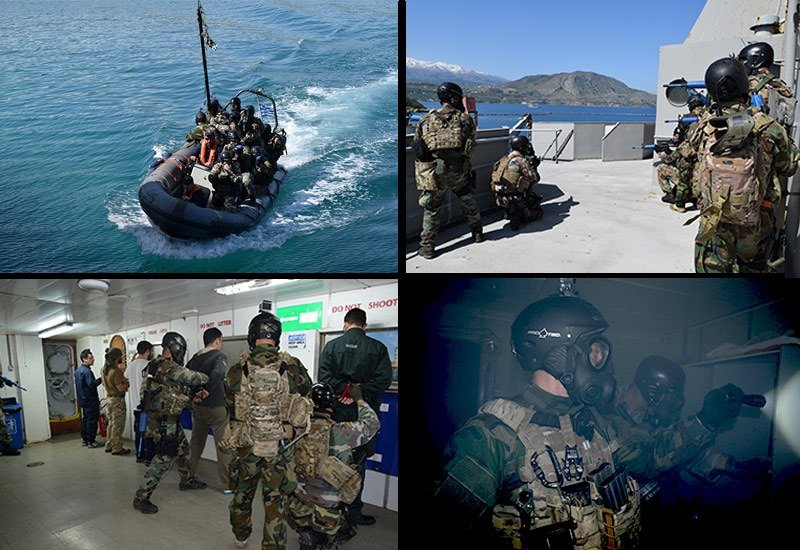
The United States military has boarded a commercial vessel transiting international waters and seized cargo allegedly destined for Iran from China, U.S. officials said, marking the latest maritime interdiction aimed at disrupting supply chains that Washington says support Tehran’s military and weapons programs.
According to defense officials, the operation was carried out by U.S. naval forces operating under the authority of U.S. Central Command. The ship, described as a foreign-flagged cargo vessel, was intercepted after intelligence assessments indicated it was transporting materials prohibited under U.S. sanctions regimes targeting Iran. The boarding took place without reported resistance, and the vessel was diverted for inspection.
While officials declined to publicly identify the ship or its crew, they said the seized cargo included components believed to have potential military applications. Initial assessments suggest the shipment originated in China and was en route to Iranian recipients linked to sanctioned entities.
U.S. Interdiction and Enforcement of Sanctions
U.S. authorities framed the seizure as part of ongoing efforts to enforce sanctions designed to limit Iran’s access to materials that could be used in missile development, drone production, or other defense-related activities. “This operation reflects our continued commitment to regional security and the enforcement of international sanctions,” a U.S. defense official said on condition of anonymity.
The U.S. has repeatedly accused Iran of using complex maritime routes, shell companies, and intermediary ports to bypass sanctions. China, while officially opposing nuclear proliferation, has frequently clashed with Washington over sanctions enforcement, arguing that unilateral U.S. measures lack international legal standing unless approved by the United Nations.
Iran and China Reaction
Iranian officials have not yet issued a formal response to the reported seizure. In past cases, Tehran has denounced similar interdictions as acts of “piracy” and violations of international law, insisting that its imports are for civilian or defensive purposes.
China, for its part, has consistently called on the U.S. to ease sanctions on Iran and has urged all parties to respect freedom of navigation. Beijing maintains that it conducts lawful trade with Iran in accordance with international norms, though it has also sought to avoid direct confrontation with U.S. naval forces in the region.
Diplomatic analysts say the incident could add strain to already tense U.S.–China relations, particularly as Washington increases scrutiny of Chinese exports with potential dual-use applications.
Broader Regional Context
The seizure comes amid heightened tensions across the Middle East, where U.S. forces have stepped up maritime patrols in response to concerns about weapons transfers, drone attacks, and proxy conflicts involving Iran-backed groups. The U.S. Navy and allied forces have previously intercepted shipments of missiles, explosives, and drone components allegedly bound for Iran or its regional partners.
“These interdictions are about deterrence as much as enforcement,” said a former U.S. naval commander. “They signal that the U.S. is watching maritime routes closely and is willing to act when intelligence points to sanctions violations.”
At the same time, critics argue that such actions risk escalation, particularly if Iran or its partners respond with their own seizures or harassment of commercial shipping in strategic waterways.
What Happens to the Cargo
U.S. officials said the seized materials are now being analyzed to determine their exact nature and intended use. Depending on the findings, the cargo could be destroyed, retained as evidence, or transferred to partner nations. The crew of the vessel was reported to be safe, and no injuries were reported during the operation.
Legal experts note that while the U.S. frequently conducts such interdictions, each case can raise complex questions about jurisdiction, flag-state consent, and international maritime law.
As investigations continue, the seizure underscores the persistent geopolitical fault lines surrounding Iran’s trade links and the role of major powers like China in the global sanctions landscape.
News by The Vagabond News