


Sudhir Choudhary | March 20, 2026
Israeli Strike on South Pars Triggers Strategic Tensions

A recent Israeli strike on Iran’s South Pars gas field has intensified scrutiny over differences in strategic priorities between President Donald Trump and Israeli leadership, highlighting a widening gap in how both allies approach the escalating conflict with Iran.
The strike occurred on March 18, 2026, targeting critical infrastructure at the South Pars field—one of the world’s largest natural gas reserves—located along Iran’s southern coast near the Persian Gulf. Iranian officials confirmed that multiple processing units were damaged, leading to partial shutdowns and emergency containment measures.
Energy analysts reported disruptions affecting a significant portion of Iran’s domestic gas supply, though exact production losses have not been independently verified.
President Donald Trump Distances U.S. From Strike
In a public statement issued shortly after the attack, President Donald Trump emphasized that the United States was not involved in the Israeli operation and had no prior knowledge of the strike.
He also issued a warning to Iran against targeting Qatar, which shares the offshore gas field with Iran, signaling concern over potential regional escalation involving U.S. allies.
Key points from President Donald Trump’s response include:
- A clear denial of U.S. operational participation
- A call for restraint regarding energy infrastructure
- A warning of potential U.S. response if allied assets are targeted
The statement marked a notable effort to distance Washington from actions that could trigger broader economic consequences, particularly in global energy markets.
Diverging Military Objectives
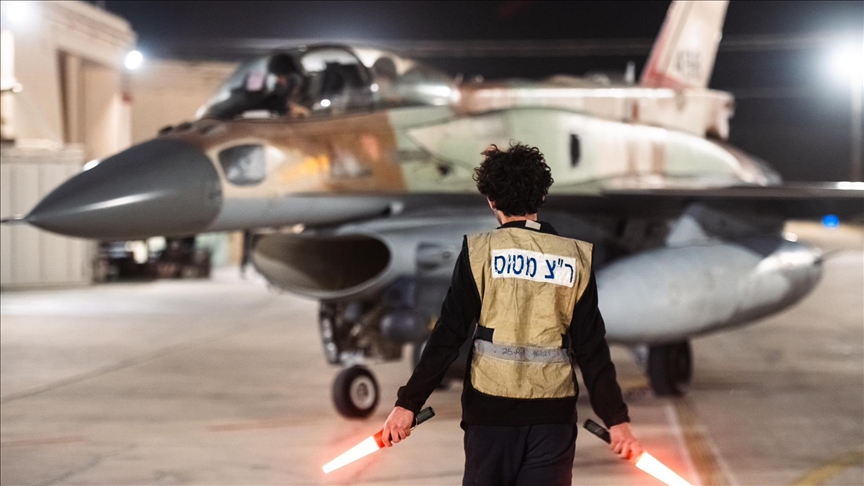
The incident has underscored differences in operational focus between the United States and Israel:
- Israel’s strategy has included targeting Iran’s energy and economic infrastructure, aiming to weaken long-term capabilities
- U.S. strategy, as articulated by officials, has focused primarily on military targets, avoiding direct strikes on oil and gas facilities
U.S. defense officials have not publicly endorsed attacks on energy infrastructure, citing risks of global economic disruption and potential escalation involving additional regional actors.
Reports indicate that President Donald Trump had previously urged Israeli Prime Minister Benjamin Netanyahu to avoid targeting oil and gas facilities, though Israel proceeded with the South Pars strike.
Continued Coordination Despite Differences
Despite the apparent divergence in strategy, operational coordination between the United States and Israel remains active:
- U.S. forces continue to maintain a significant presence in the Strait of Hormuz, securing maritime routes
- Intelligence-sharing between the two countries remains ongoing
- Both nations have conducted or supported strikes against Iranian military assets in recent weeks
Officials have described the relationship as aligned in overall objectives—countering Iran’s military capabilities—but not identical in tactical execution.
Global Implications and Market Reaction
The strike and subsequent reactions have had immediate global consequences:
- Energy markets experienced volatility, with oil prices rising amid concerns over supply disruptions
- Regional tensions escalated as Iran signaled potential retaliation against energy infrastructure across the Gulf
- Diplomatic pressure increased, with international calls for restraint to prevent a broader conflict
Experts warn that attacks on energy facilities risk transforming the conflict into a wider economic confrontation with global repercussions.
Conclusion
President Donald Trump’s response to Israel’s strike on the South Pars gas field has highlighted a nuanced but significant divergence in U.S.-Israel strategy. While both countries remain aligned in opposing Iran, differences in target selection and risk tolerance have become increasingly visible.
As the conflict evolves, the balance between coordination and independent action will likely shape both military outcomes and geopolitical stability in the region.
Sources
- Reuters
- Associated Press
- U.S. Department of Defense briefings
- International energy market reports
Tags: President Donald Trump, Israel Iran conflict, South Pars gas field, U.S.-Israel relations, Middle East
News by The Vagabond News


