


Editor: Sudhir Choudhary
Date: March 28, 2026
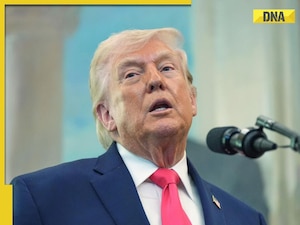
Escalation Continues Despite Optimistic Claims
President Donald Trump has declared that the Middle East is “saved” following recent U.S. military operations against Iran, even as fresh Iranian strikes have injured American troops in the Gulf region. The statement comes amid intensifying conflict that shows no immediate signs of resolution.
According to U.S. officials, at least 10 American personnel were wounded in a missile attack on a Saudi Arabian air base widely used by U.S. forces. The strike marks one of the most direct Iranian attacks on U.S. troops since the war began in late February.
Despite the escalation, President Donald Trump has continued to project confidence about the trajectory of the conflict, asserting that U.S. actions have stabilized the region and significantly weakened Iran’s military capabilities.
Iranian Retaliation Targets U.S. Presence in Gulf

The attack on Prince Sultan Air Base underscores Iran’s continued ability to retaliate despite sustained U.S. and Israeli strikes. The Pentagon has confirmed that multiple facilities and aircraft were damaged in the incident, highlighting vulnerabilities in key military installations.
Iran’s strategy has focused on asymmetric retaliation, including missile and drone strikes across the Gulf. Regional targets have included bases in Saudi Arabia, Bahrain, and other allied locations, reflecting Tehran’s broader effort to challenge U.S. influence in the region.
Military analysts note that while U.S. operations have degraded portions of Iran’s missile arsenal, the country retains a substantial stockpile capable of sustained attacks.
Contradiction Between Messaging and Battlefield Reality

President Donald Trump’s assertion that the Middle East is “saved” contrasts sharply with ongoing hostilities and rising casualties. Since the start of the conflict, more than 300 U.S. personnel have reportedly been injured, with multiple fatalities confirmed.
At the same time, Iranian strikes continue on a near-daily basis, targeting both military and strategic infrastructure across the region. Civilian casualties have also been reported in multiple countries, including Iran and Lebanon, as the conflict widens.
Diplomatic efforts remain underway, but officials caution that negotiations have yet to produce a concrete breakthrough. While the Trump administration has indicated that talks are progressing, regional diplomats suggest that both sides remain far apart on key issues.
Strategic Stakes: Energy Routes and Regional Stability
A central factor in the conflict is control over the Strait of Hormuz, a critical global energy chokepoint. Iran has repeatedly threatened to disrupt shipping through the strait, raising concerns about global oil supply and economic stability.
Gulf states have urged the United States to ensure that any resolution to the war includes long-term guarantees to neutralize Iran’s missile and drone capabilities. These countries fear that a temporary ceasefire without structural changes would leave the region vulnerable to renewed attacks.
The economic impact is already being felt globally, with energy markets experiencing volatility due to uncertainty in the Gulf.
Outlook: War Far From Over
While U.S. officials have suggested that the military operation could conclude within weeks, ongoing Iranian resistance and regional instability indicate a more complex reality.
President Donald Trump has paused certain planned strikes to allow diplomatic channels to continue, signaling a dual-track approach combining military pressure with negotiation. However, no official agreement has been announced, and the situation remains fluid.
Conclusion
President Donald Trump’s declaration that the Middle East is “saved” comes at a moment when the conflict with Iran continues to escalate on multiple fronts. The latest strikes injuring U.S. troops highlight the persistent risks facing American forces and underscore the gap between political messaging and on-the-ground developments.
With no confirmed ceasefire and continued exchanges of fire, the trajectory of the war remains uncertain. The coming weeks will likely determine whether diplomatic efforts can de-escalate tensions or whether the conflict deepens further across the region.
Sources
Reuters, The Washington Post, Associated Press, The Guardian, Bloomberg
Tags
Donald Trump, Iran War, Middle East Conflict, U.S. Troops, Gulf Tensions, Strait of Hormuz
News by The Vagabond News.


