✍️ Sudhir Choudhary
📅 March 8, 2026
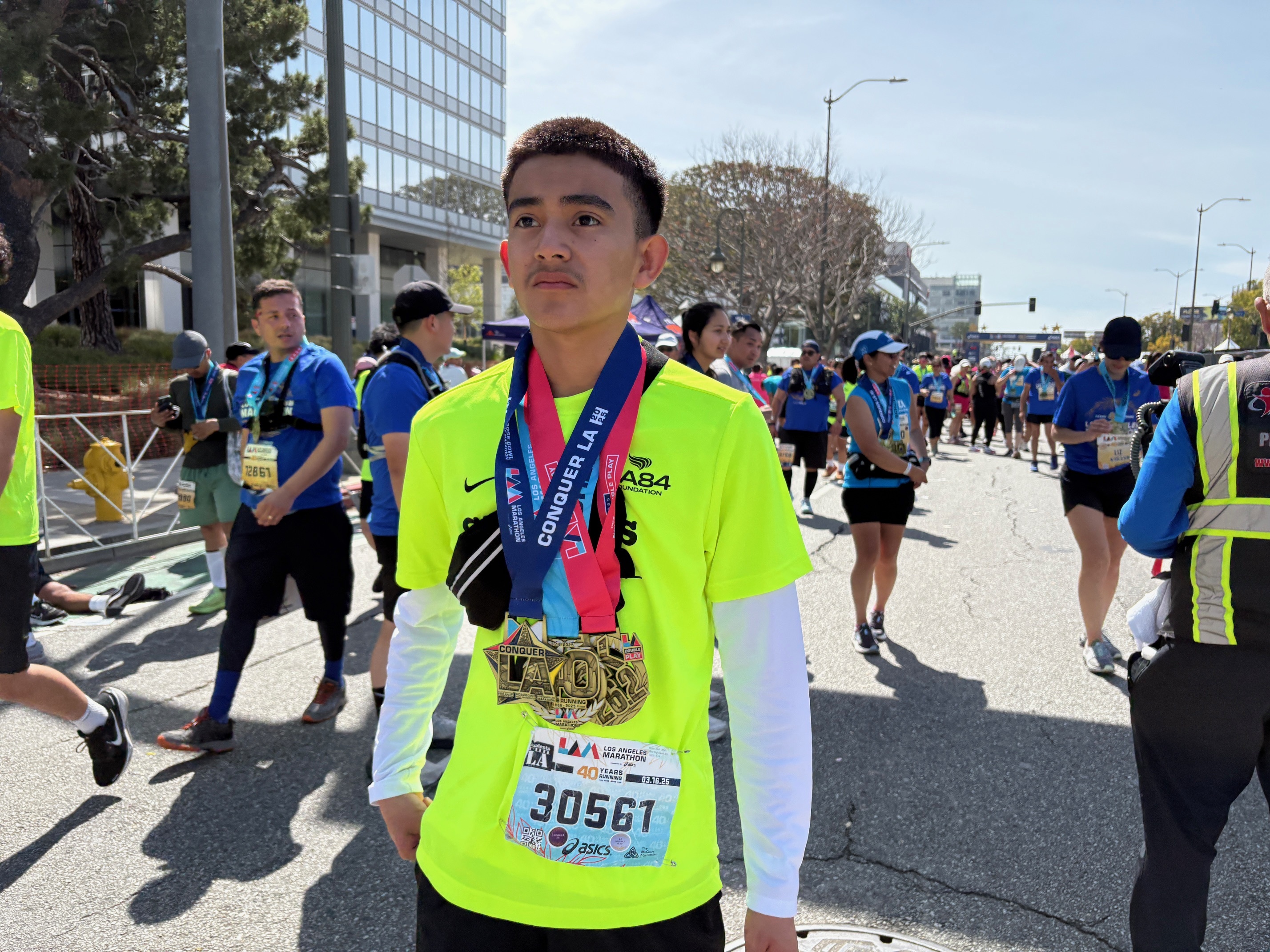
Marathon Organizers Introduce Modified Finish Option
Participants in the Los Angeles Marathon will be allowed to receive a finisher medal after completing 18 miles instead of the traditional 26.2-mile distance, race organizers announced ahead of the annual event scheduled for Sunday, March 16, 2026, in Los Angeles, California.
Officials confirmed that the change is part of a contingency plan tied to forecast weather conditions and runner safety considerations, allowing athletes who reach the 18-mile checkpoint in Century City to be officially recognized as finishers if race conditions require an early stop.
The Los Angeles Marathon, one of the largest marathon events in the United States, traditionally spans 26.2 miles from Dodger Stadium to Santa Monica, drawing tens of thousands of runners and spectators each year.
Safety Planning Behind the Decision

Race organizers said the contingency option was introduced following consultation with city officials, medical teams, and event safety coordinators.
Marathon organizers indicated that unusually warm conditions are expected on race day. Long-distance races held in elevated temperatures can pose significant health risks, including dehydration and heat-related illness, particularly for recreational runners who make up a large portion of participants.
Under the modified plan, runners reaching mile 18 would be directed to a designated finish area, where they would receive official recognition and medals if race organizers determine the remaining portion of the course cannot be completed safely.
Officials emphasized that the change does not automatically shorten the race, but instead provides a safety mechanism if conditions deteriorate during the event.
Maintaining the Full Marathon Route
Event organizers stated that the full 26.2-mile route remains the official race distance, and runners will be encouraged to complete the entire course if weather and safety conditions permit.
The Los Angeles Marathon’s “Stadium to the Sea” route begins at Dodger Stadium in downtown Los Angeles, travels through neighborhoods including Hollywood, West Hollywood, and Beverly Hills, and ends near the Pacific coastline in Santa Monica.
City authorities coordinate road closures, medical stations, and security operations across the route. Medical support teams and hydration stations are placed throughout the course to assist participants.
Runner Reactions and Event Logistics
Some runners have welcomed the contingency plan, noting that marathon organizers are increasingly adapting race logistics to address extreme weather risks and participant safety.
Large urban marathons across the United States have faced similar challenges in recent years. In certain cases, races have been shortened or canceled mid-event when heat indexes or weather conditions posed risks to participants.
Organizers of the Los Angeles Marathon have stated that the final decision regarding whether runners must stop at mile 18 will be made on race day based on real-time weather assessments.
A Major Annual Event for the City
The Los Angeles Marathon is a significant sporting event for the city, attracting elite international athletes as well as recreational runners from across the United States and around the world.
The race typically includes tens of thousands of participants, with spectators lining streets throughout Los Angeles to support runners along the course.
City officials say the event contributes significantly to tourism and local economic activity, with hotels, restaurants, and businesses benefiting from the influx of participants and visitors.
As preparations continue, organizers have reiterated that runner safety remains the priority, and all operational decisions during the race will be guided by medical guidance and environmental conditions.
Sources:
Associated Press; Los Angeles Marathon organizers; City of Los Angeles event briefings; Reuters.
Tags: Los Angeles Marathon, Marathon Safety, Running Events, Sports News, United States
News by The Vagabond News.