

📅 25 February 2026
✍️ Editor: Sudhir Choudhary, The Vagabond News

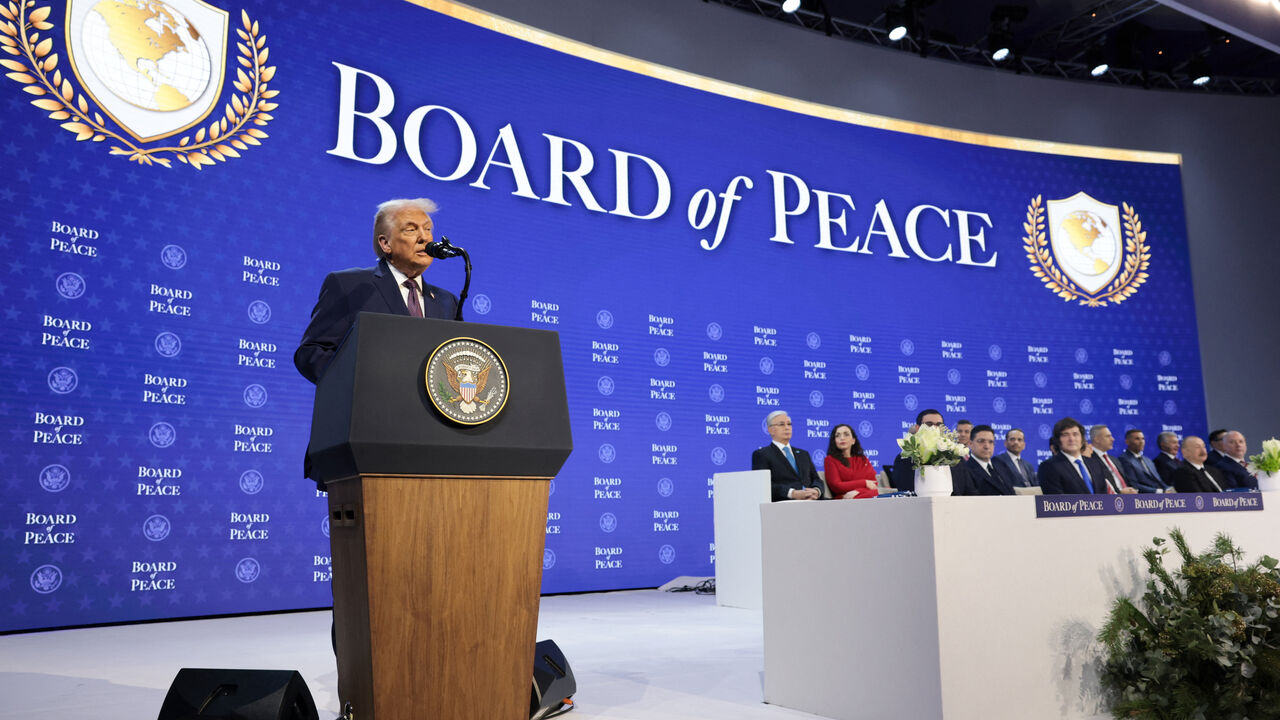

President Contrasts Investment Figures With Previous Administration
WASHINGTON — President Donald Trump said Tuesday that he has secured commitments for more than $18 trillion in new investment in the United States within 12 months, sharply contrasting that figure with what he described as less than $1 trillion in new investment over four years under the previous administration.
“In four long years, the last administration got less than $1 trillion in new investment in the United States. And when I say less, substantially less. In 12 months, I secured commitments for more than $18 trillion pouring in from all over the globe,” President Donald Trump said in remarks previewing his State of the Union address.
The White House did not immediately release detailed documentation itemizing the commitments cited by the president.
Understanding Investment Metrics

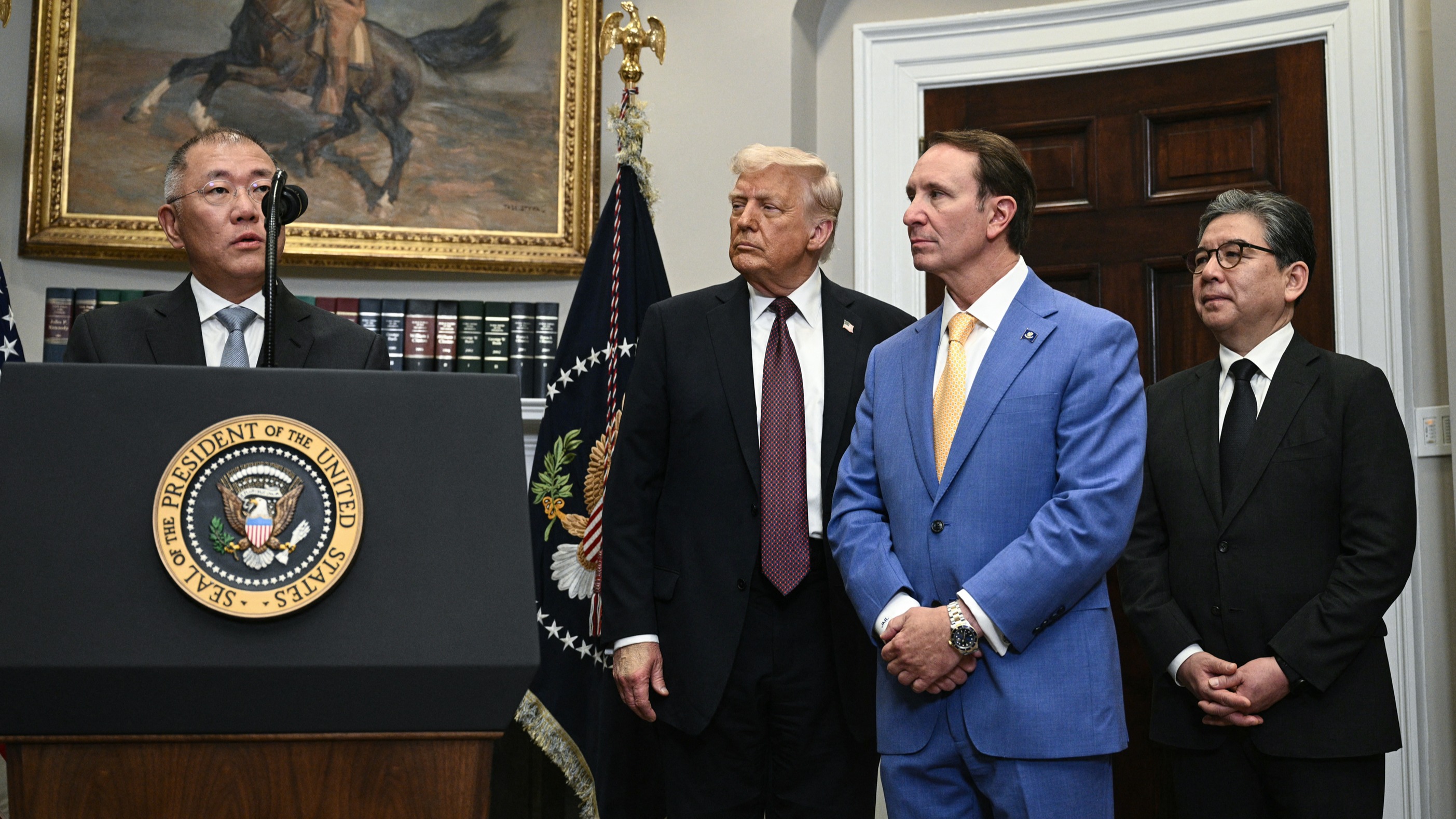

Economists distinguish between several categories of investment, including private domestic capital expenditure, foreign direct investment (FDI), and announced corporate commitments. The U.S. Bureau of Economic Analysis (BEA) tracks FDI inflows and capital investment data through quarterly and annual reports.
“Investment commitments” may include announced projects, planned expansions, memoranda of understanding, or long-term capital pledges that are not immediately deployed. Analysts note that such commitments differ from realized or executed investments reflected in national accounts data.
The U.S. Bureau of Economic Analysis publishes official figures on capital inflows and domestic investment spending, which typically measure actual expenditures rather than pledged amounts.
Historical Investment Comparisons


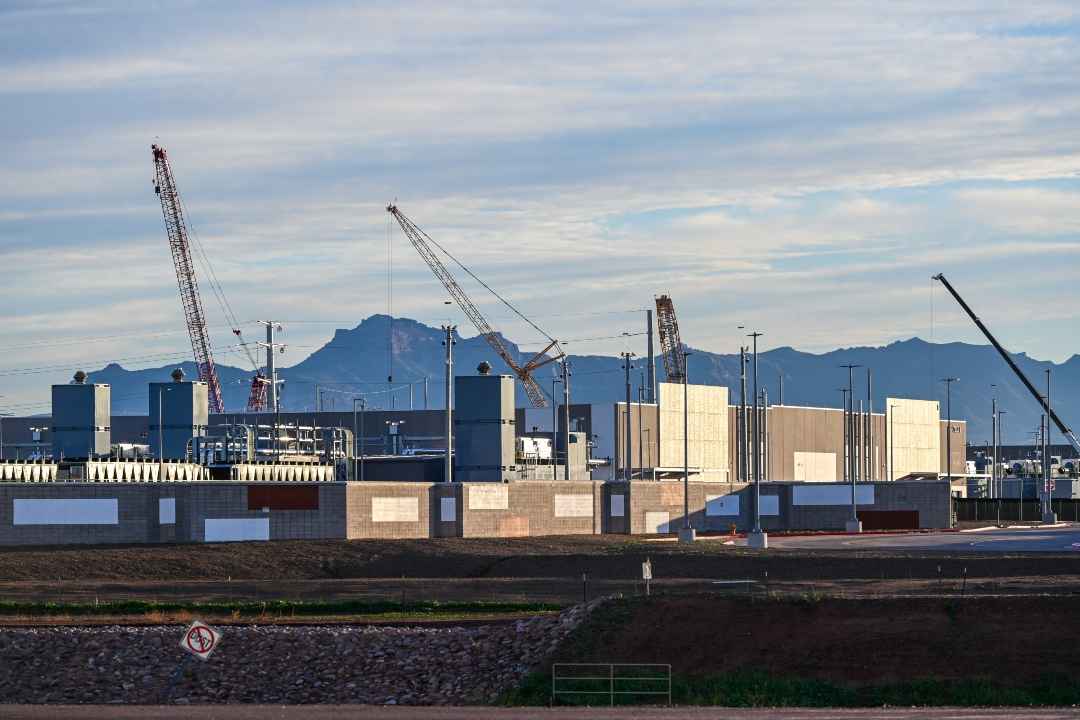
Federal data show that total private domestic investment in the United States has historically reached multiple trillions of dollars annually when measured across residential, nonresidential, and intellectual property categories combined. Foreign direct investment inflows also fluctuate year to year depending on global economic conditions.
The president’s comparison to the prior administration was not accompanied by specific timeframes or references to BEA datasets. Independent economists typically evaluate investment performance using standardized federal metrics rather than announced commitments alone.
Business groups have reported major capital expenditure announcements across manufacturing, energy, semiconductor production, and technology sectors in recent months. However, public data detailing a cumulative $18 trillion in new commitments over a 12-month period have not yet been independently verified through official federal reporting.
White House Position
Administration officials have framed recent corporate announcements as evidence of growing confidence in U.S. economic policy. They have cited tax policy, regulatory adjustments, and industrial development initiatives as contributing factors.
The White House has not specified whether the $18 trillion figure includes multi-year pledges, projected investment pipelines, or reinvested domestic corporate earnings.
Conclusion
President Donald Trump’s assertion that he secured more than $18 trillion in investment commitments within 12 months marks one of the largest economic claims of his administration. While federal agencies such as the U.S. Bureau of Economic Analysis track realized investment and capital inflows, the methodology behind the president’s cited figure has not yet been detailed publicly. Further clarification from the White House or federal economic reports would be required to independently assess the scope and composition of the investment commitments referenced.
Sources
- U.S. Bureau of Economic Analysis investment and foreign direct investment reports
- Public remarks by President Donald Trump, 25 February 2026
- White House economic policy briefings
Tags: President Donald Trump, investment commitments, foreign direct investment, U.S. economy, capital expenditure
News by The Vagabond News
