

📅 January 21, 2026
✍️ Editor: Sudhir Choudhary, The Vagabond News


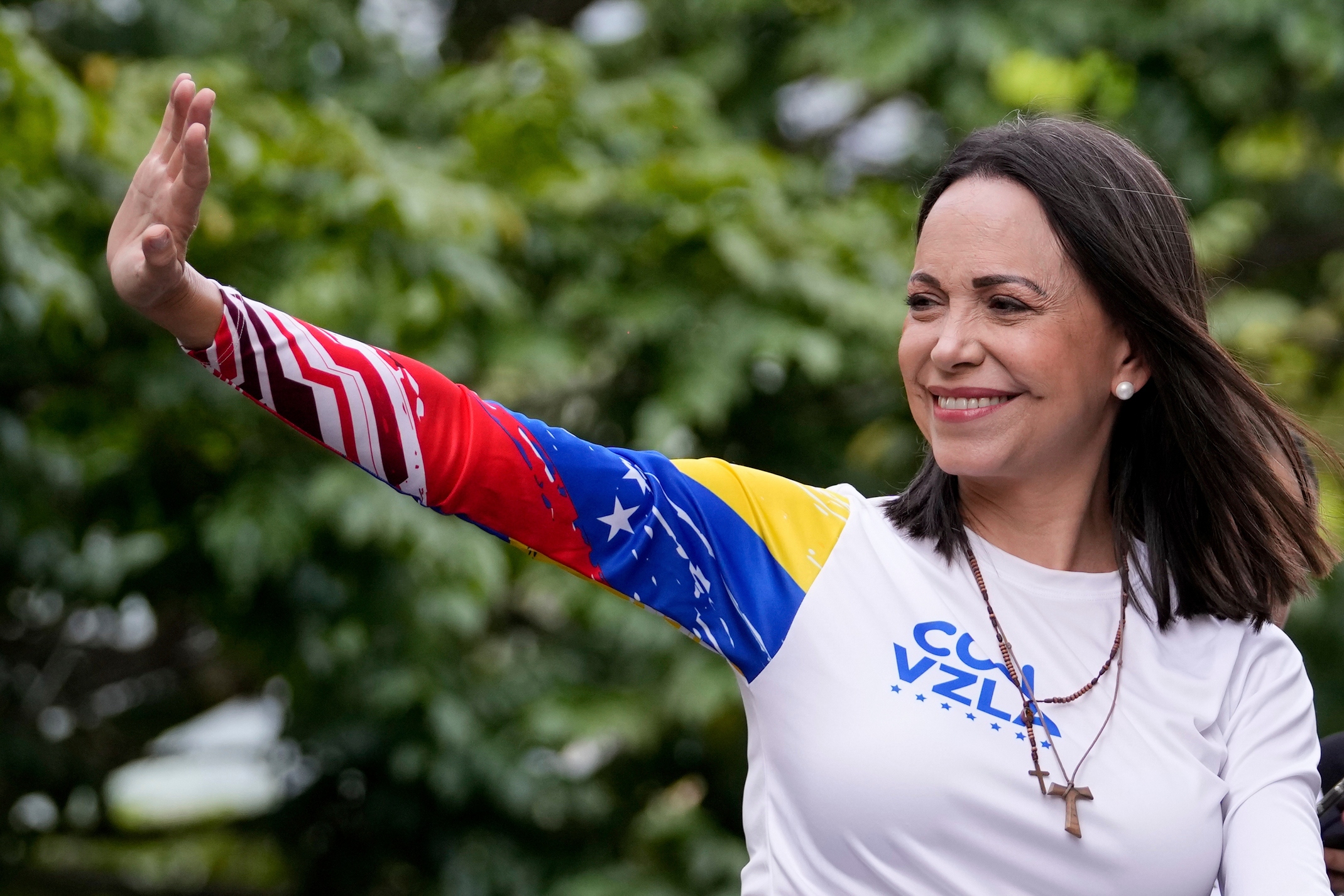
A group of U.S. lawmakers on the House Foreign Affairs Committee has urged that Venezuelan opposition leader María Corina Machado assume a governing role in Venezuela as part of ongoing efforts to restore democratic rule in the South American nation. The calls come amid shifting political dynamics following the capture of former President Nicolás Maduro by U.S. forces earlier this month and the installation of Delcy Rodríguez as interim leader.
Lawmakers argued that Machado, who has long been a leading voice for democratic reform, represents a legitimate alternative to the current interim government and could help lead Venezuela through a transitional period toward free elections and democratic governance. While specific House motions or resolutions have not been formally introduced at this stage, several members have publicly signaled support for positioning Machado at the forefront of Venezuela’s political transition.
Context of U.S. and Venezuelan Political Turmoil
Venezuela has been in political upheaval for years under the leadership of Maduro and his United Socialist Party of Venezuela (PSUV), amid deep economic crisis and allegations of human rights abuses. Machado, a prominent opposition figure, was widely seen as a key challenger in the 2024 presidential election but was blocked from running by courts aligned with the government. Opposition claims persist that the vote was unfairly manipulated in favor of Maduro’s allies.
The situation escalated significantly in early January 2026 when U.S. military operations in Caracas resulted in Maduro’s capture on drug trafficking charges and extradition to the United States. Following his removal from power, Rodríguez—formerly Maduro’s vice president—was sworn in as interim president, supported by U.S. diplomatic engagement. This development complicated international efforts to determine Venezuela’s political future.
Congressional Support for Machado
Members of the House Foreign Affairs Committee and others in Congress have highlighted Machado’s decades-long opposition to authoritarian rule in Venezuela and said she possesses the credibility and democratic legitimacy needed to lead a transition government. Legislators making this case pointed to her leadership within the Venezuelan opposition movement and her vocal support for democratic institutions, free elections, and human rights.
Some lawmakers have emphasized that supporting Machado’s leadership could help stabilize Venezuela by offering a clear democratic alternative to the current interim administration, which critics argue lacks domestic legitimacy and broad public support. Advocates also suggest that her leadership could encourage Venezuelan citizens living in exile to participate in rebuilding their homeland’s political and economic structures.
U.S. Executive Branch Signals and Internal Debate
Despite the congressional pressure, the U.S. executive branch has so far taken a cautious approach. While President Donald Trump has met with Machado and expressed interest in a role for her in Venezuela’s future governance, he has also underscored the importance of stability and has publicly acknowledged work with Rodríguez’s interim government. In mid-January, Trump said he was considering how Machado might be incorporated into U.S. plans for Venezuela’s future leadership, but provided no specific blueprint or timeline.
U.S. Secretary of State Marco Rubio has similarly indicated that while support for democratic leadership is a priority, questions remain about how and when Machado might formally assume authority. Rubio has underscored the need to balance democratic aspirations with pragmatic considerations related to Venezuela’s political reality and security conditions.
Reaction from Venezuela and International Community
Reactions in Venezuela itself have been mixed. Supporters of Machado and many opposition activists welcome the prospect of her leadership and see U.S. congressional backing as an affirmation of democratic principles. Others caution that external endorsement may not translate to effective governance on the ground, especially given the entrenched complexities of Venezuelan politics and the enduring influence of military and political actors aligned with the PSUV.
Regional governments and international organizations have also weighed in, emphasizing the need for a peaceful, negotiated transition that respects Venezuelan sovereignty and the aspirations of its citizens. Calls for transparent elections and inclusive dialogue have been echoed by multiple Latin American and European leaders, even as the U.S. debate intensifies over how best to support democratic outcomes.
What Comes Next
As discussions continue in Washington and Caracas, lawmakers in the U.S. will likely consider formal legislative actions, including resolutions urging broader international recognition of Machado’s leadership claim or outlining conditional support tied to democratic reforms. Meanwhile, the situation on the ground in Venezuela remains fluid, with competing claims to political authority and deep divisions within the country.
Observers say that whether Machado can take on a formal governing role depends on multiple variables, including negotiations with current interim authorities, support from Venezuelan civil society, and continued international diplomatic engagement. For now, the call by House Foreign Affairs members adds another layer to the complex geopolitical puzzle surrounding Venezuela’s future.
Sources:
Reuters; Wikipedia; Associated Press.
Tags:
Venezuela, U.S. Politics, María Corina Machado, House Foreign Affairs Committee, Democratic Transition, Nicolás Maduro, Delcy Rodríguez, International Relations
News by The Vagabond News


