

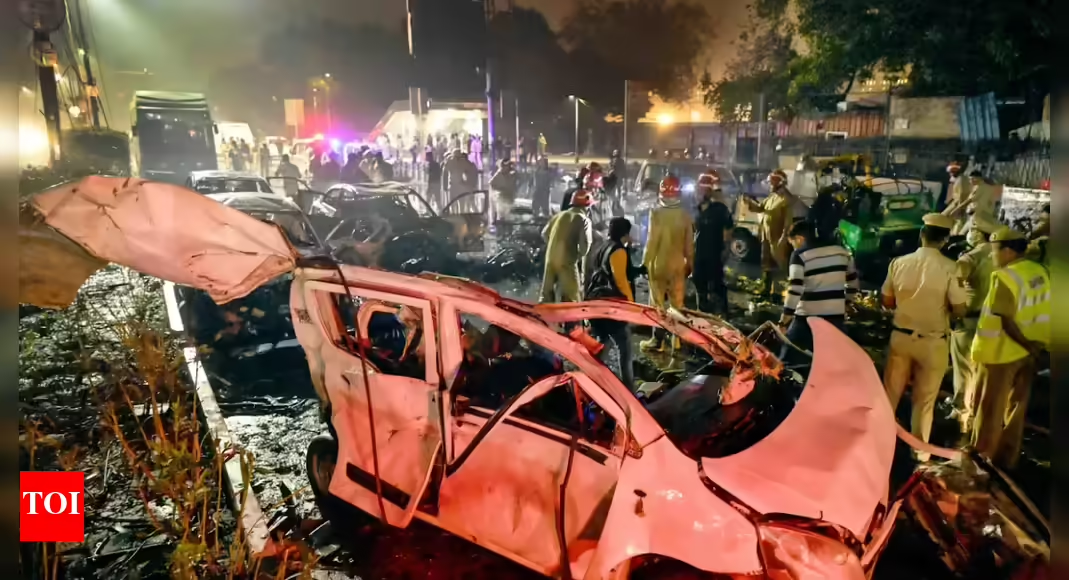
Delhi car blast: Exclusive Critical Alert—States, Cities
A high-stakes security net has been flung across India after an explosion near the Red Fort in Delhi on Monday evening, with multiple states and major cities placed on heightened alert. The Delhi car blast has triggered coordinated checks at transit hubs, stepped-up patrolling in crowded markets, and tighter surveillance at iconic landmarks as authorities move swiftly to deter any potential follow-on threats and reassure the public.
What we know so far
– Incident: An explosive event involving a vehicle was reported near the Red Fort area on Monday evening.
– Immediate response: Security agencies cordoned off the area, initiated forensic checks, and began reviewing CCTV feeds from surrounding streets.
– Wider impact: Alerts were issued to major metros and state capitals to increase vigilance, especially at crowded public places, transport nodes, and government buildings.
– Public advisory: Citizens have been urged to report suspicious objects or unattended vehicles, avoid rumor-sharing, and follow police advisories for diversions and checks.
Why the alert is nationwide
The Red Fort is not only a UNESCO-listed monument but also a symbol of national significance and a high-footfall zone for residents and tourists. In the wake of the Delhi car blast, authorities often adopt a layered security approach across the country to preempt copycat incidents, test readiness, and project deterrence. That approach includes:
– Rapid information sharing between city police, state anti-terror units, and central agencies
– Temporary checkpoints at arterial roads, flyovers, and near metro/rail stations
– Visible patrols and K9 units in dense markets and festival zones
– Random bag checks and vehicle screening at mall entries and stadium perimeters

Delhi car blast: What commuters and residents should expect
While authorities emphasize that these measures are preventive, residents across major cities should plan for longer commute times and intermittent checks. Common measures include:
– Traffic diversions near high-profile zones and heritage clusters
– Metal-detector screening and bag checks at metro stations and inter-state bus terminals
– Increased camera monitoring around marketplaces, religious sites, and event venues
– Verification drives at hotels and guesthouses, including scrutiny of unregistered stays
Advisory for public safety
– Stay updated: Follow verified social channels of local police and district administrations. Avoid forwarding unverified videos or messages related to the Delhi car blast.
– Cooperate at checkpoints: Keep identification handy, allow bag screenings, and factor in delays.
– Report promptly: Call local helplines if you spot unattended bags, tampered vehicles, or unusual activity. Provide location details and a brief description; avoid crowding the scene.
– Be mindful of emergency lanes: Leave the shoulder clear for ambulances and first responders.
– Digital hygiene: Do not share photos that reveal security positions or tactics in real time.
How authorities are coordinating
Officials typically employ a multi-agency protocol during incidents of this nature:
– Command and control rooms elevate monitoring thresholds and analyze live CCTV grids
– Quick reaction teams and bomb disposal squads remain on standby near sensitive corridors
– Forensic units secure, catalogue, and analyze debris and trace samples to establish the blast profile
– Inter-city information relays flag suspicious vehicle numbers or identifiers nationwide
– Crisis communication teams issue periodic briefings to counter misinformation
Context and caution
Security experts note that large public landmarks can create ripple effects across national security posture when incidents occur nearby. The Delhi car blast, regardless of scale, necessitates a measured but visible response—one that balances public reassurance with investigative discretion. Authorities are likely to release more details as forensic and technical analyses mature. Until then, speculation can hinder investigations and cause undue alarm.
Travel and event organizers should verify arrangements in advance, especially if gatherings are scheduled in central districts or near transportation hubs. While no blanket cancellations have been advised at this time, organisers may be asked to enhance entry screening, review emergency exits, and keep contingency plans ready.
What comes next
– Forensic updates: Expect preliminary findings on the nature of the device or accelerant once lab tests conclude.
– Security recalibration: Checkpoints and patrols may be scaled up or down based on fresh intelligence inputs and risk assessments.
– Public briefings: Authorities will likely share advisories on diversions or temporary closures with a focus on minimizing disruption.
The bottom line
The Delhi car blast has prompted an all-hands security posture that spans multiple Indian states and metropolitan centers. Authorities are prioritizing vigilance, rapid investigation, and public safety while urging residents to stay calm, informed, and cooperative. As the situation evolves, official channels remain the primary source of verified updates. The coming days will likely bring greater clarity on motive and method; until then, civic patience and alertness will be vital.
News by The Vagabond News


