

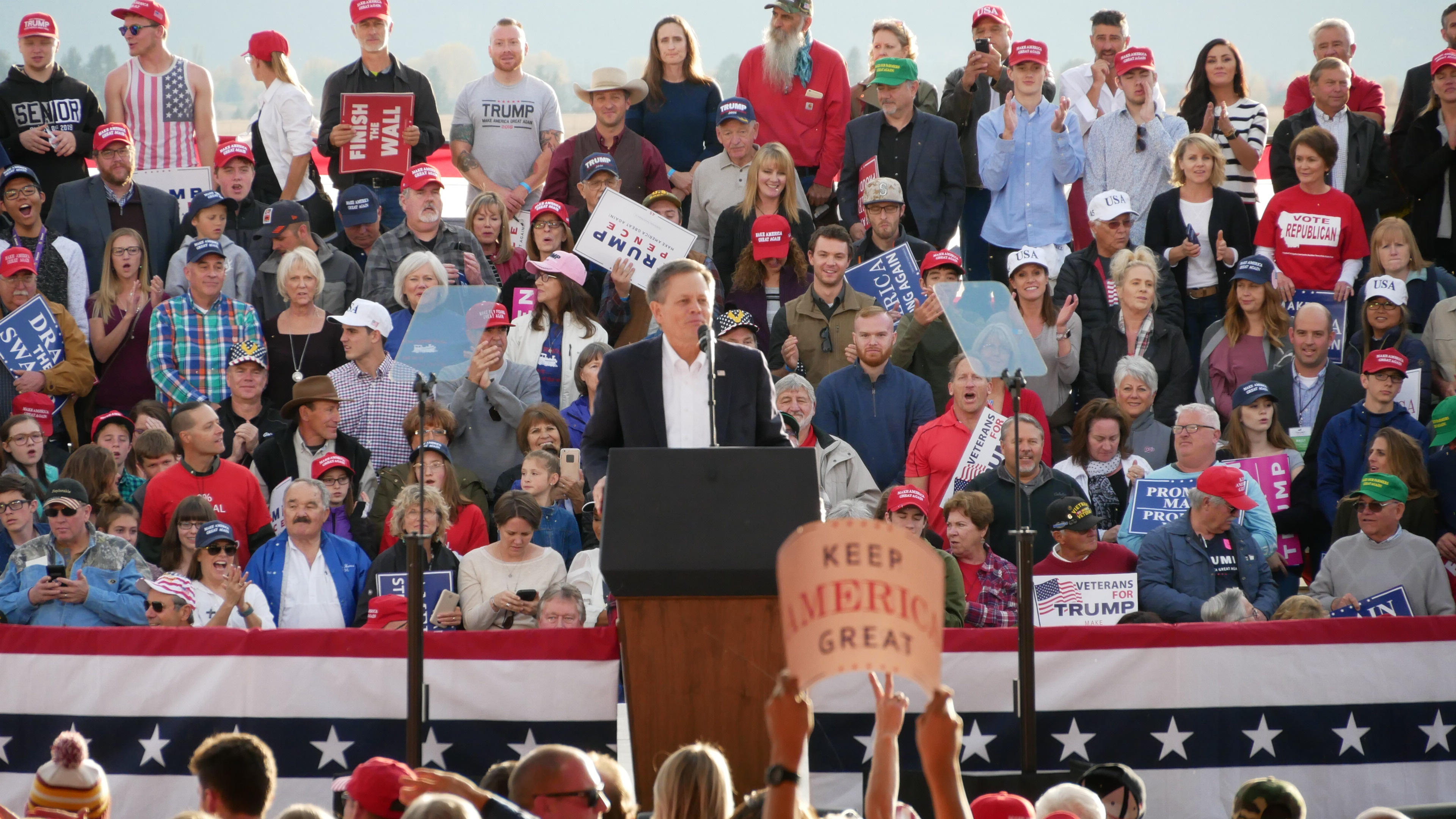
Daines Drops Re-election Bid in Montana, Upending a Key Senate Race
Editor: Sudhir Choudhary
Date: March 5, 2026
Steve Daines has announced that he will not seek re-election in the upcoming Senate race, a decision that is expected to significantly reshape the political landscape in Montana and potentially affect the balance of power in the United States Senate.
The announcement surprised many political observers, as Daines had been widely expected to run for another term. His decision opens a competitive contest for the seat in a state where Senate races have often been closely contested.
In a statement addressing the decision, Daines said he had carefully considered the demands of public service and the needs of his family before concluding that he would not pursue another term.
Race Suddenly Becomes Wide Open

Daines’s withdrawal from the race leaves both political parties scrambling to identify strong candidates who could compete for the open Senate seat.
Montana has a history of electing candidates from both major parties, making the state an important battleground in national elections. Political strategists say the absence of an incumbent dramatically increases uncertainty in the contest.
Republican leaders are expected to begin evaluating potential replacements who could run for the party’s nomination, while Democratic officials may also view the open seat as an opportunity to compete more aggressively.
Because incumbents typically hold advantages in fundraising and name recognition, open-seat races often attract multiple candidates and intense campaign activity.
National Implications for Senate Control
Control of the Senate frequently depends on a small number of competitive races, making developments in states such as Montana particularly significant.
Political analysts say both parties are likely to invest substantial resources in the race, including campaign funding, advertising, and organizational support.
National political committees often prioritize open Senate seats because they present rare opportunities for either party to gain an advantage.
The upcoming election cycle is expected to feature several closely watched contests that could determine which party holds a majority in the Senate.
Candidates Expected to Enter the Race
With Daines stepping aside, political observers expect multiple candidates to consider entering the race in the coming weeks.
Potential contenders could include current state officials, members of Congress, or other prominent political figures within Montana.
Party leaders are likely to weigh factors such as fundraising ability, statewide recognition, and political experience when evaluating potential candidates.
For now, the race remains in its early stages, but Daines’s decision has already reshaped the political dynamics surrounding Montana’s Senate contest.
Sources:
Statements from Steve Daines; election analysis from major U.S. political news organizations; Montana state election records; reporting from national political analysts.
Tags: Steve Daines, Montana Senate race, U.S. Senate elections, Montana politics, 2026 elections
News by The Vagabond News.


