


Editor: Sudhir Choudhary | March 16, 2026
Dispute Emerges Over Oil Pipeline Transit
Ukrainian President Volodymyr Zelenskyy has accused some European Union allies of attempting to pressure Kyiv in a dispute involving oil pipeline transit and energy supplies. The comments came amid ongoing negotiations over the flow of Russian oil through pipelines crossing Ukrainian territory, a critical route for energy deliveries to parts of Central Europe.
Speaking publicly about the dispute, Zelenskyy said certain partners were using energy leverage to push Ukraine toward decisions that he described as unfavorable to the country’s interests. According to the Ukrainian leader, the pressure amounted to “blackmail” linked to broader negotiations over energy policy and wartime economic support.

Officials in Kyiv have argued that the dispute reflects the complex relationship between energy security in Europe and the ongoing war between Ukraine and Russia. Ukraine remains a key transit route for several energy pipelines connecting Russian oil fields with refineries in Central Europe.
Pipeline at the Center of the Dispute
At the heart of the disagreement is the Druzhba Pipeline, one of the world’s largest oil pipeline systems. The pipeline transports crude oil from Russia to multiple European countries and passes through Ukrainian territory before reaching parts of Central Europe.
Several European Union members continue to receive Russian oil through the southern branch of the pipeline under exemptions granted after the EU imposed sanctions on Moscow following the invasion of Ukraine in 2022.
Ukrainian authorities have previously warned that maintaining the pipeline transit while Russia continues military operations creates political and economic tensions. Kyiv has also highlighted security risks related to energy infrastructure operating in a war zone.
EU Energy Security Concerns
Some European governments argue that continued pipeline flows remain essential for maintaining energy stability in their countries. Landlocked nations in Central Europe rely heavily on pipeline deliveries because alternative supply routes can be costly or difficult to implement quickly.
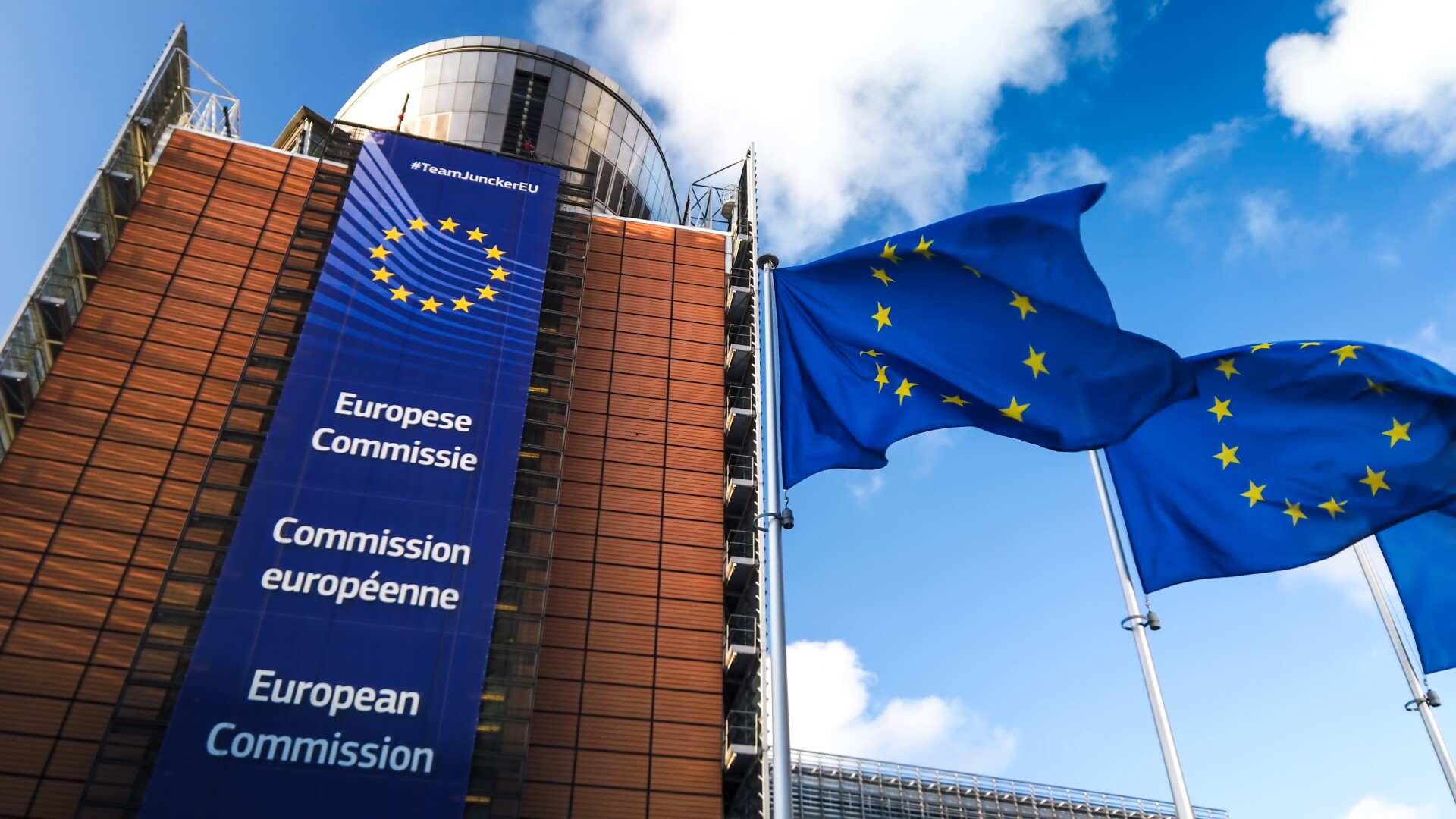
Officials in the European Union have stated that the bloc is working to reduce dependence on Russian energy while maintaining stable supplies during the transition to alternative sources. The EU has introduced a series of sanctions targeting Russian oil exports, but some exemptions remain for pipeline deliveries.
European leaders have not publicly confirmed the specific accusations made by Zelenskyy regarding “blackmail,” and discussions between Kyiv and European partners continue.
Ongoing Negotiations Amid War
The dispute highlights the broader challenge facing European countries as they balance support for Ukraine with their own domestic energy needs.
Ukraine continues to rely on financial and military assistance from European governments to sustain its defense against Russia. At the same time, European economies remain affected by energy market disruptions linked to the war.
Energy analysts say disputes over pipelines, transit fees, and sanctions are likely to remain a recurring issue as the conflict continues and European nations accelerate efforts to diversify their energy sources.
For now, negotiations between Kyiv and its European partners are ongoing, with officials seeking a resolution that preserves energy security while maintaining political support for Ukraine during the war.
Sources: Reuters, European Commission statements, Ukraine Presidential Office, Bloomberg, International Energy Agency
Tags: Ukraine, Volodymyr Zelenskyy, European Union, Druzhba Pipeline, Russia Ukraine War, Energy Security
News by The Vagabond News




Leave a Reply