What Is the War Powers Resolution, and Why Is Trump’s Claim About It Misleading?
📅 January 10, 2026
✍️ Editor: Sudhir Choudhary, The Vagabond News


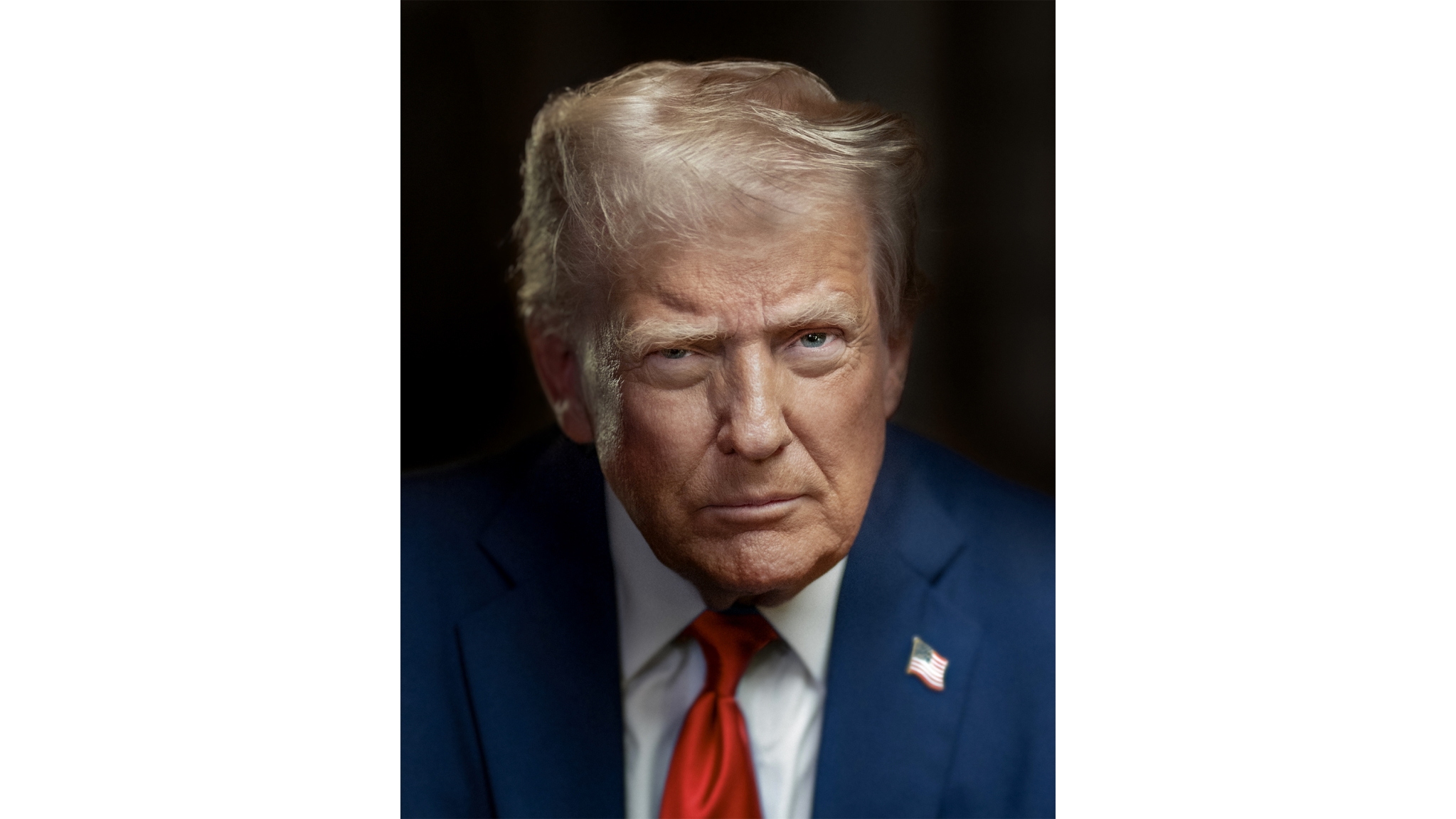
The War Powers Resolution has once again moved to the center of American political debate after President Donald Trump invoked it to defend recent military actions carried out without prior congressional approval. While the administration has cited the law as legal justification, constitutional scholars and lawmakers argue that the president’s interpretation is misleading—and risks distorting one of Congress’s most important checks on executive power.
At stake is not only the legality of specific military operations, but a broader question that has defined U.S. governance for decades: who ultimately decides when America goes to war.
Understanding the War Powers Resolution
The War Powers Resolution was passed in 1973, in the shadow of the Vietnam War, amid bipartisan concern that presidents had accumulated excessive authority to deploy U.S. forces abroad without meaningful congressional oversight. Enacted over President Richard Nixon’s veto, the law was designed to reassert Congress’s constitutional role in decisions of war and peace.
Under the resolution, the president may introduce U.S. armed forces into hostilities only under three conditions:
-
A formal declaration of war by Congress
-
Specific statutory authorization
-
A national emergency created by an attack on the United States, its territories, or its armed forces
If U.S. forces are deployed without congressional authorization, the president must notify Congress within 48 hours. Crucially, the law requires that those forces be withdrawn within 60 days—plus a 30-day wind-down period—unless Congress explicitly approves continued involvement.
The resolution was intended as a constraint, not a blank check.
Trump’s Claim—and Why Critics Push Back
President Donald Trump has repeatedly argued that the War Powers Resolution allows him broad discretion to initiate military action first and consult Congress later. In recent statements, administration officials have suggested that the 60-day window effectively grants the president unilateral authority to wage war for two months without legislative approval.
Legal experts say that framing flips the law’s purpose on its head.
“The War Powers Resolution was designed to limit presidential action, not legitimize it,” said one constitutional scholar. “The reporting requirement is not permission—it’s a safeguard.”
Critics argue that treating the 60-day provision as an authorization misunderstands the law’s intent. The clock, they say, is meant to force Congress to act and to ensure that unauthorized military engagements end quickly if lawmakers do not consent.
A Long History of Tension
Presidents of both parties have tested, stretched, or outright ignored the War Powers Resolution since its passage. From operations in Lebanon and Grenada to interventions in Libya, Syria, and beyond, administrations have often claimed that limited or short-term military actions do not constitute “hostilities” under the law.
President Donald Trump’s position, however, goes further, according to critics. By portraying the resolution as affirmative authority, opponents argue he is reframing a congressional restraint as an executive power.
“This is not a loophole Congress accidentally left open,” said a former Senate legal adviser. “It’s a deadline, not a green light.”
Why the Distinction Matters
The debate is not merely academic. How the War Powers Resolution is interpreted has real-world consequences for democratic accountability, civilian oversight of the military, and the risk of prolonged conflicts without public debate.
If presidents can unilaterally deploy forces and rely on the resolution as justification, Congress’s role risks becoming symbolic rather than substantive. Lawmakers from both parties have warned that this erosion could lead to expanded military engagements without voter input or clear strategic objectives.
Several members of Congress have already signaled plans to challenge the administration’s interpretation, either through resolutions demanding withdrawal of forces or through new legislation aimed at tightening the law’s language.
The Courts—and the Political Reality
Federal courts have historically been reluctant to referee disputes over war powers, often dismissing such cases as political questions best left to Congress and the executive branch. That reality places the burden squarely on lawmakers to enforce their authority.
Whether Congress will do so remains uncertain. While many legislators object to expansive presidential war powers in theory, political calculations often complicate efforts to act—especially during periods of international tension.
A Recurring Constitutional Fault Line
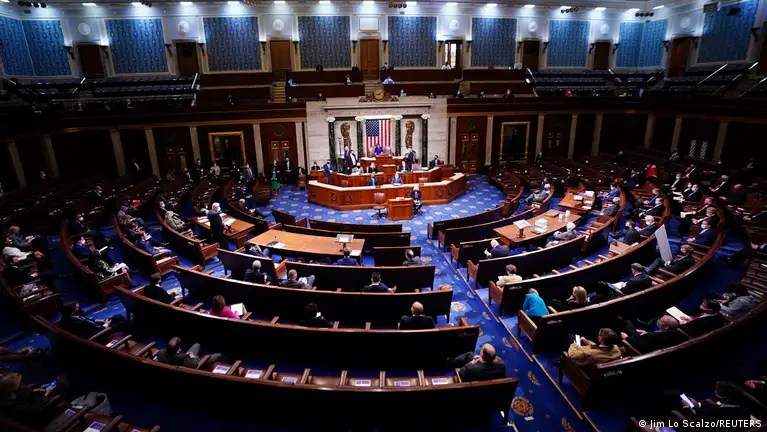
The controversy surrounding President Donald Trump’s claim underscores a deeper, unresolved conflict embedded in the U.S. constitutional system. The president is commander in chief, but Congress controls funding and holds the power to declare war. The War Powers Resolution was meant to balance those roles. Fifty years later, that balance remains fragile.
As new military crises emerge, the question persists: is the War Powers Resolution a meaningful check—or merely a speed bump—on presidential authority?
How that question is answered may define the future of American war-making power.
Sources: U.S. congressional records; constitutional law experts; historical analysis of executive war powers.
Tags: War Powers Resolution, U.S. Constitution, Executive Authority, Congress, Military Policy
News by The Vagabond News