U.S. Military Moves Into Place for Possible Strikes in Iran
Editor: Sudhir Choudhary
Date: February 19, 2026

Washington, D.C. — The United States has positioned significant naval and air assets in the Middle East as tensions with Iran intensify, according to senior defense officials and publicly available military movement data. The deployments place American forces in a state of elevated readiness for potential strikes, although no formal authorization for military action has been publicly announced by President Donald Trump.
Officials at the United States Department of Defense have confirmed that additional aircraft, naval vessels, and support units have been repositioned to reinforce deterrence in the region. The buildup follows weeks of heightened rhetoric, diplomatic strain, and renewed concerns surrounding Iran’s nuclear activities.
Naval Strike Groups Positioned in the Region
Two aircraft carrier strike groups are currently operating in or near the Persian Gulf region, according to U.S. Navy statements. Carrier strike groups typically include guided-missile destroyers, cruisers, submarines, and a full complement of carrier-based aircraft capable of conducting precision strikes and sustained air operations.
Defense analysts note that such positioning significantly reduces response time should a strike order be issued. Carrier-based aircraft, supported by surveillance platforms and aerial refueling tankers, provide the U.S. military with the ability to conduct both limited and sustained operations.
Pentagon briefings have described the deployments as defensive and precautionary. However, military planners acknowledge that the current force posture would allow for rapid offensive operations if directed by civilian leadership.
Air Power Reinforcements and Regional Bases
In addition to naval assets, advanced fighter aircraft including F-22 and F-35 jets have been deployed to regional air bases. These fifth-generation aircraft are designed for air superiority and precision strike missions. Aerial refueling tankers and surveillance aircraft have also been moved into operational zones, expanding the range and endurance of potential missions.
Defense officials have not disclosed specific target sets or timelines. Public statements emphasize preparedness rather than imminent action. According to military spokespeople, the repositioning ensures that American personnel and regional allies are protected amid escalating tensions.
Diplomatic Channels Remain Active
Despite the visible military buildup, diplomatic engagement has not ceased. U.S. officials have confirmed ongoing indirect communications with Iranian representatives through established international channels. The White House has not released details regarding the substance of these exchanges.
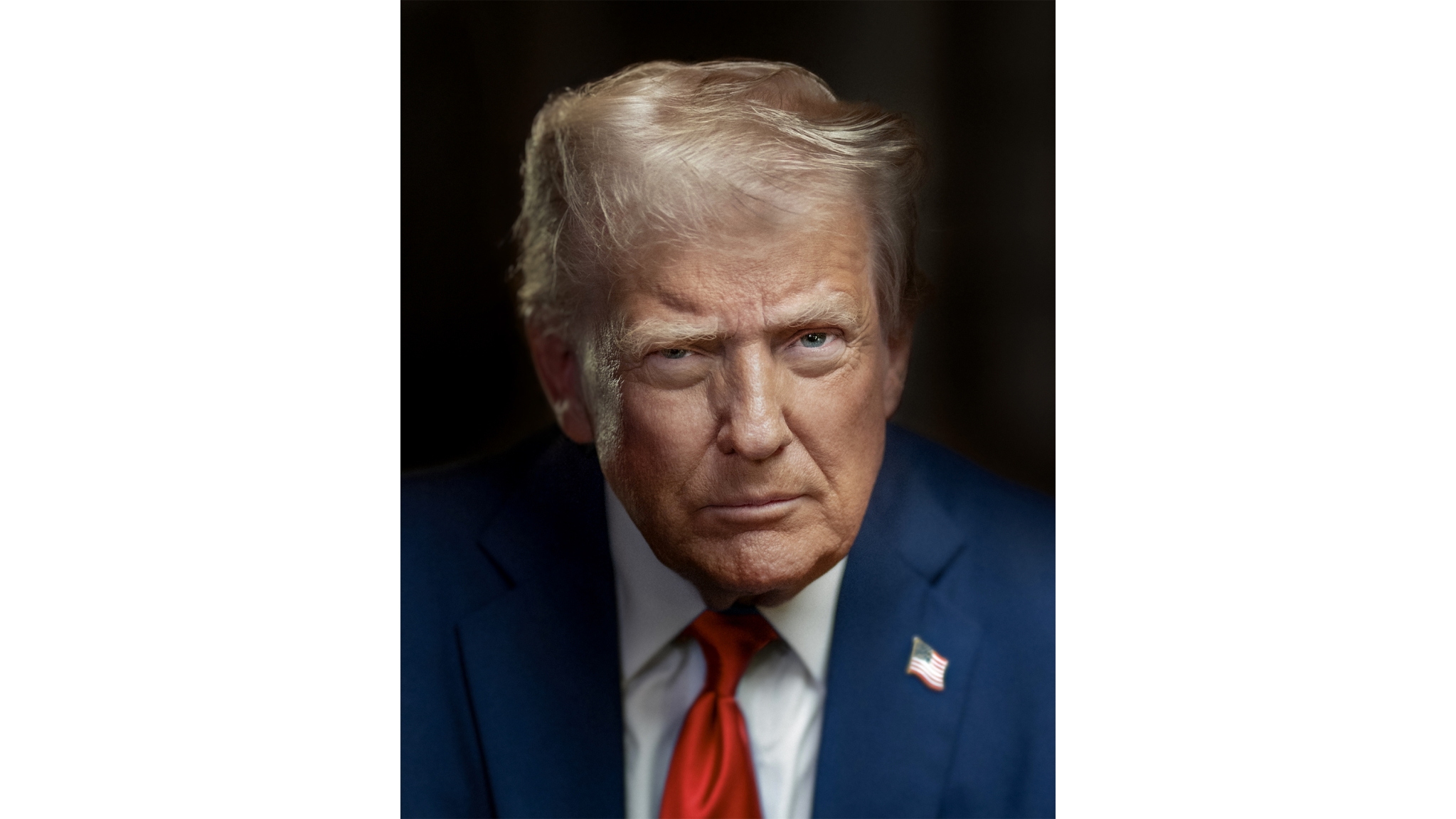
President Donald Trump has previously stated that the United States will not allow Iran to develop nuclear weapons capability. Iranian officials, for their part, have repeatedly asserted that their nuclear program is for peaceful purposes, a claim that has been disputed by U.S. intelligence assessments over the years.
International observers, including European and regional governments, have called for restraint. Security analysts warn that any direct strike could trigger retaliatory actions affecting U.S. forces, allied infrastructure, and maritime shipping routes in the Gulf.
Strategic Calculations and Risks
Military experts emphasize that force positioning alone does not equate to inevitable conflict. In many cases, visible deployments are designed to strengthen deterrence by signaling capability and resolve.
However, the strategic environment remains volatile. Iran maintains ballistic missile capabilities and influence through regional proxy groups. Any military exchange could have broader implications for global energy markets and regional stability.
As of February 19, 2026, no official strike order has been publicly confirmed. The Pentagon continues to describe the current posture as a precautionary measure. The situation remains fluid, with both military readiness and diplomatic efforts unfolding simultaneously.
Conclusion
The movement of U.S. military assets into the Middle East underscores the seriousness of the present standoff with Iran. While the operational posture now allows for possible strikes, national leadership has not publicly authorized action. The coming days will likely determine whether deterrence and diplomacy prevail or whether the crisis escalates into direct confrontation.
Sources:
U.S. Department of Defense press briefings; Official U.S. Navy deployment statements; White House public remarks; International Atomic Energy Agency reports; Reuters reporting on regional military movements.
Tags: U.S. Military, Iran, Middle East Security, Pentagon, President Donald Trump
News by The Vagabond News