U.S. and Iran Gear Up for Nuclear Talks Amid Rising Tensions

Al Jazeera
Reuters
AP News
Financial Times
The Times of India
📅 February 17, 2026
✍️ Editor: Sudhir Choudhary, The Vagabond News
Increasingly fraught diplomatic efforts between the United States and Iran are set to resume in Geneva this week as both sides prepare for another round of nuclear negotiations against a backdrop of heightened geopolitical tensions and military posturing. Officials from Washington and Tehran are engaging in indirect talks mediated by Oman, seeking to address longstanding disputes over Iran’s nuclear program. The negotiations come amid a buildup of U.S. naval forces in the Middle East and a series of Iranian military exercises near strategic waterways.
Preparations for Geneva Talks
U.S. and Iranian officials are scheduled to hold the second round of nuclear discussions in Geneva, Switzerland, on February 17. These talks follow an initial series of indirect negotiations held earlier this month in Oman, which both sides described as a “good start” but left unresolved core issues.
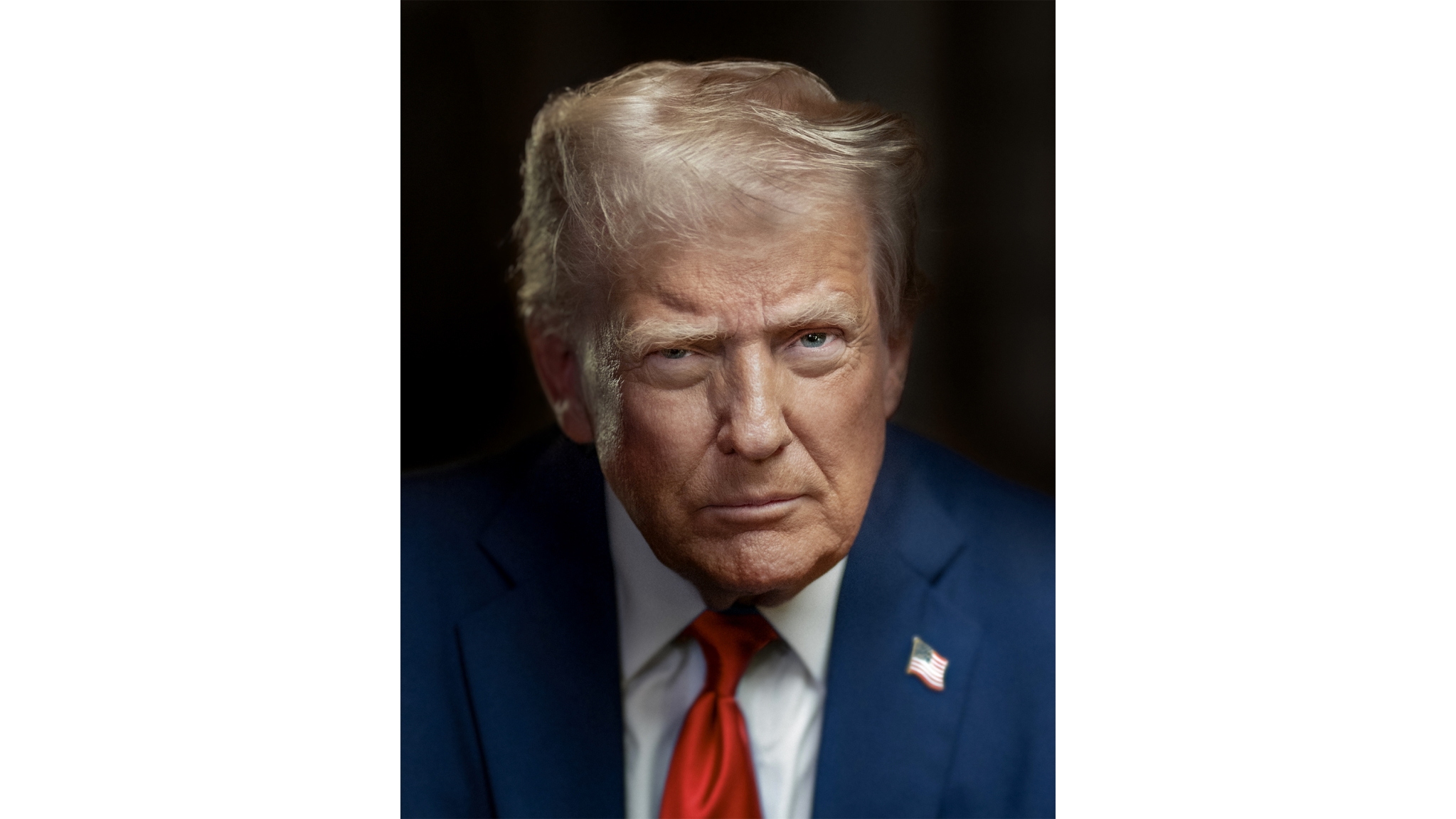
In advance of the talks, President Donald Trump stated he would participate “indirectly” in the discussions and urged Tehran to adopt a more “reasonable” negotiating stance. He reiterated that the negotiations were “very important” and stressed U.S. expectations that Iran curtail its enrichment of uranium, a central point of contention.
Iran’s Foreign Minister Abbas Araghchi, meanwhile, met with the head of the International Atomic Energy Agency (IAEA) in Geneva to discuss technical cooperation ahead of the negotiations, emphasizing Iran’s desire for what it calls a “fair and equitable deal.” Tehran continues to insist that any diplomatic agreement must focus on its nuclear program in exchange for sanctions relief, rejecting discussions on its ballistic missile arsenal or regional activities.
Tensions and Military Posture
Efforts to resume diplomacy are unfolding amid heightened tensions in the broader Middle East. The United States has deployed additional military assets, including aircraft carriers and warships, to the region as a demonstration of force should the talks falter. Satellite imagery and defense reporting have shown significant U.S. naval presence near Iran’s maritime borders.
In response, Iran’s military has conducted naval drills in the Strait of Hormuz, a critical chokepoint for global oil shipments, underscoring Tehran’s ability to disrupt commercial traffic and its readiness to defend against perceived threats. Iranian leadership has warned that any military action against the country would have “serious consequences.”
The heightened military posture reflects deep mistrust on both sides. U.S. officials have made clear that a failure to reach an agreement could prompt sustained pressure or action, while Iranian leaders maintain that their nuclear program is intended for peaceful purposes and that Tehran will not make concessions under coercion.
Points of Diplomatic Contention
At the core of the talks are fundamental disagreements over nuclear enrichment and sanctions relief. The U.S. delegation is pressing Iran to significantly limit its uranium enrichment levels and to allow comprehensive inspections by the IAEA. Washington has also sought to broaden the scope of discussions to include Iran’s ballistic missiles and support for proxy groups in the region.
Tehran, however, has resisted linking its missile capabilities or regional activities to the nuclear negotiations. Iranian officials have repeatedly stated that essential aspects of sovereignty, including enrichment capability, remain non-negotiable unless accompanied by meaningful economic relief from sanctions.
Political analysts note that Iran’s conditional willingness to discuss certain aspects of its program is tied directly to expectations of sanctions relief — with Iranian leaders signaling that the “ball is in America’s court” to demonstrate seriousness about reaching a deal.
Broader Regional and Global Impact
The outcome of the U.S.–Iran negotiations carries implications far beyond bilateral relations. A breakthrough could ease one of the most persistent flashpoints in international security, potentially reducing the risk of open conflict in the Middle East. Conversely, a breakdown could exacerbate regional instability, with ripple effects on global energy markets, security alliances, and diplomatic alliances involving European, Gulf, and Asian nations.
Governments across Europe and the Middle East have expressed concern over escalating tensions and called for restraint. Diplomatic channels remain active outside the Geneva talks, with Turkish, Qatari, and Egyptian intermediaries attempting to bridge positions between Washington and Tehran.
Sources:
Al Jazeera, Reuters, Associated Press, Scripps News, Global Banking & Finance
Tags: International Relations, Nuclear Diplomacy, U.S.–Iran Tensions, Middle East Security
News by The Vagabond News