Trump’s War of Choice With Iran
Editor: Sudhir Choudhary
Date: March 3, 2026

Washington, D.C. / Tehran — President Donald Trump’s decision to launch extensive military strikes on Iran has been described by critics, including Democratic lawmakers and international observers, as a “war of choice” that drastically shifted U.S. strategy from diplomacy to sustained conflict without clear legal mandate or defined long-term objectives. The campaign, which began with joint U.S. and Israeli strikes on February 28, 2026, has already reshaped regional dynamics and provoked intense domestic and global debate.
From Diplomacy to Military Campaign
The Trump administration had engaged in indirect negotiations with Iranian officials in the weeks prior to the offensive, including talks in Muscat and Geneva that were widely seen as the last diplomatic avenues to address longstanding issues around Iran’s nuclear program and regional policies. Even as these discussions continued, the U.S. escalated its military presence in the Middle East — deploying aircraft carriers and additional air assets — signaling a shift toward coercive pressure.
Critics contend that those diplomatic efforts were undercut by the simultaneous buildup and planning for a broad military operation that culminated in strikes targeting strategic sites across Iran and, significantly, the assassination of Supreme Leader Ali Khamenei. Tehran state media later confirmed his death, which marked a dramatic escalation in the conflict.
Advocates of diplomacy argue that Washington and Tehran were on the cusp of a breakthrough deal — with Iranian negotiators purportedly prepared to agree to limits on uranium enrichment and international verification — before strikes overtook negotiations. This has led many analysts to view the conflict not simply as a response to threats but as a departure from viable diplomatic solutions.
Debate Over Motives and Legal Authority
The classification of the conflict as a “war of choice” stems from criticism that the Trump administration’s rationale for military action did not meet widely accepted standards for imminent threat or explicit congressional authorization.
Democrats in Congress, including members of foreign affairs committees, have pressed for explanations and a formal vote on war powers, stating that the administration has not provided clear evidence of an imminent threat to U.S. soil justifying unilaterally ordered strikes. Lawmakers have questioned whether the campaign’s objectives, particularly hints of regime change, fall within constitutional bounds for executive action.
Administration officials and supporters counter that long-standing Iranian support for proxy groups hostile to U.S. interests, and Tehran’s expanding ballistic missile program, constituted threats that justified force under national defense prerogatives without delay. They emphasize that avoiding ground invasion did not preclude decisive action against leadership and military infrastructure perceived as destabilizing.
International law experts and observers have raised additional concerns about the use of force absent a United Nations Security Council mandate, arguing that such actions undermine established global norms on the use of military power. A commentary published by the Chatham House noted that targeting state leadership outside of an explicit multilateral framework sets “dangerous precedents” for the erosion of international legal constraints.
Escalation and Regional Consequences
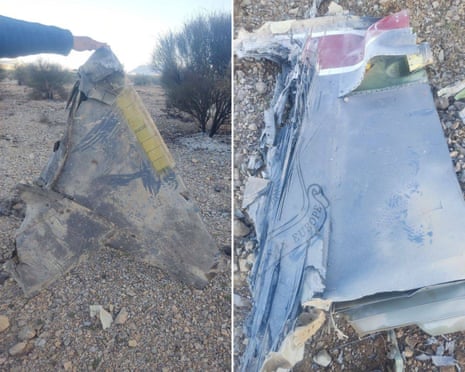
The military campaign has rapidly expanded beyond initial strikes, with Iran retaliating against U.S. and allied forces throughout the region. Confirmed reports indicate that three U.S. service members were killed and several others injured amid Iranian counter-attacks, marking the first American combat casualties in the conflict.
The retaliation has included missile and drone strikes on U.S. positions in the Gulf region, and regional allies have bolstered defensive postures. Global markets have reacted to the instability, with oil prices rising amid fears of supply disruptions — particularly in the vital Strait of Hormuz.
The escalation also complicates diplomatic prospects. Administration officials have signaled openness to talks with Tehran’s new leadership, but with the conflict intensifying and mistrust entrenched, prospects for near-term negotiations are uncertain.
Domestic and International Responses
Domestically, the conflict has drawn contentious debate. A Reuters/Ipsos poll indicated that public support for the military campaign is low, with a significant portion of Americans expressing skepticism about the justification and likely duration of operations. Lawmakers from both parties have called for a clearer articulation of strategic goals and a cohesive “day-after” plan for Iran once immediate military objectives are met.
Around the world, leaders have emphasized the need to avoid broader regional escalation and urged a return to diplomatic channels. European allies have cautioned that while sanctions and security concerns are legitimate, military action should be complemented by robust negotiation efforts to prevent further civilian harm and instability.
Conclusion
President Donald Trump’s military campaign against Iran — widely described by critics as a “war of choice” — represents a significant shift in U.S. foreign policy, one that prioritizes coercive force over extended diplomacy. While supporters argue the strikes were necessary to counter long-running threats, opponents contend the lack of clear congressional authorization, legal mandate, and post-conflict strategy undermines both constitutional and international frameworks. The unfolding conflict’s long-term impact on U.S. strategic interests, regional stability, and global norms remains a central question as hostilities continue.
Sources:
• Trump allies defend US-Israel strikes on Iran as Democrats call it a ‘war of choice’ — The Guardian (March 1, 2026)
• Trump cheers death of Iranian leader, says strikes will continue — Reuters (Feb. 28, 2026)
• US lawmakers see no Trump plan for Iran following strikes — Reuters (March 1, 2026)
• US announces its first casualties in Iran war; poll signals challenge for Trump — Reuters (March 1, 2026)
• With Iran attacks, President Trump is making the use of force the new normal — Chatham House analysis (March 1, 2026)
• 2026 Iran–United States war — Wikipedia overview (accessed March 2, 2026)
Tags: Middle East Conflict, U.S. Foreign Policy, Iran War, Donald Trump, International Law
News by The Vagabond News