


Zohran Mamdani: Exclusive, Trump’s Best Foil in NYC
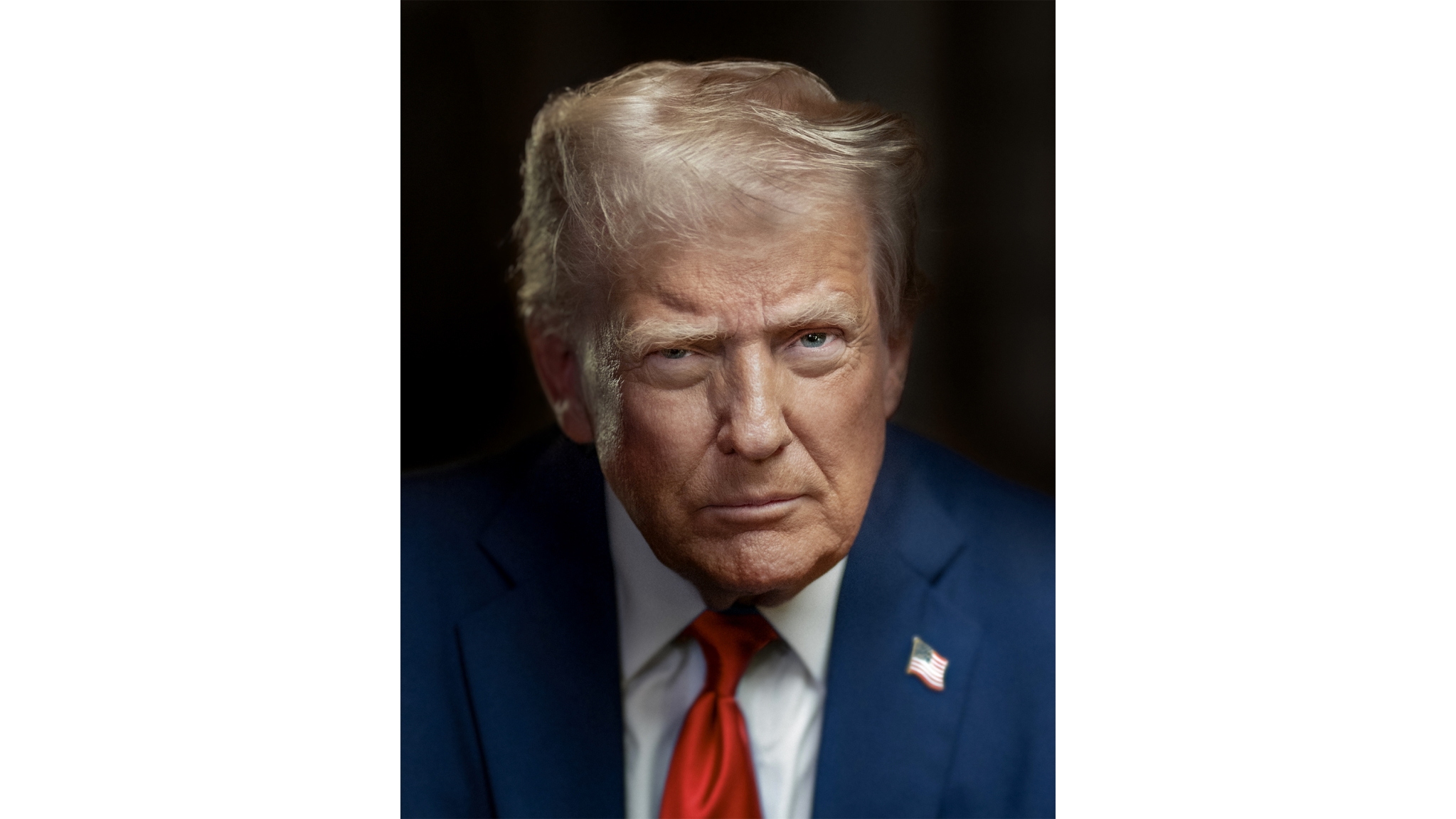
In a city that thrives on contrasts, few political dynamics are as revealing—and as combustible—as the emerging face-off between President Trump and Zohran Mamdani. The focus is not only on policy or party; it’s on persona. Publicly, Trump has derided Zohran Mamdani, the mayor-elect of New York City, casting him as a radical out of step with the city’s business backbone. Privately, however, Trump reportedly calls him “slick” and “a good talker”—a backhanded compliment that doubles as a recognition: Mamdani is a formidable communicator with a talent for framing debates and seizing moments.
That duality—derision in the spotlight, respect in the shadows—says as much about Trump’s political instincts as it does about Mamdani’s rise. New York City has long been Trump’s proving ground and punching bag. To occupy the mayoralty with the kind of insurgent energy and rhetorical agility that has characterized Zohran Mamdani’s ascent is to pose a singular challenge to a president who thrives on spectacle and instant caricature. And in that arena, Mamdani appears not only ready but uniquely suited to be Trump’s most effective foil in NYC.
A Queens-Built Contrast
Zohran Mamdani’s political brand is starkly Queens: direct, organizing-driven, and unafraid to fight city hall from the inside. The mayor-elect’s strength is less about ideological novelty than about discipline and clarity. He distills complex issues—housing, transit, policing, cost-of-living—into accessible stakes for working New Yorkers. That clarity translates into a relentless message: government should serve ordinary residents first. It’s the kind of populism that scrambles predictable lines, drawing in renters, gig workers, small business owners, and immigrant communities, even as it rankles entrenched interests.
Trump’s political identity is also Queens-forged, but calibrated for national theater. He prefers combat to compromise, branding to briefs. The collision here is generational and tactical. Where Trump excels at the viral moment, Zohran Mamdani builds patient coalitions. Where Trump shouts “law and order,” Mamdani folds public safety into housing stability, healthcare access, and youth services. The contrasts are not just ideological—they’re operational, and they matter when policy must meet the potholes and police precincts of New York.
Why Zohran Mamdani Gets Under Trump’s Skin
In public, Trump’s attacks cast Zohran Mamdani as a leftist ideologue. In private, the reported nod to his “slick” delivery is less an insult than a strategic acknowledgment: Mamdani is hard to pin down. He speaks fluently to an anxious middle—rent-burdened families, cash-strapped seniors, overworked commuters—without sacrificing progressive aims. He’s a message disciplinarian, which means he chooses his battles. That’s a problem for Trump’s playbook, which works best when an opponent can be reduced to a single, easily memed caricature.
Mamdani’s media approach compounds the challenge. He thrives not only on social platforms, but in neighborhood forums, tenant meetings, and local press hits that build durable credibility. In a city attuned to hype, he favors receipts: countable actions like funding for social services, bus lanes, school-based support programs, and legal aid for tenants. Together, these details melt abstractions into tangible wins. Against that record, even a presidential megaphone struggles to negate lived experience.
The Stakes for New York—and the Country
New York City’s mayoralty is a uniquely powerful stage. It sits at the intersection of global markets and block-by-block municipal grind. For Trump, it’s a symbol of dominance and disdain—his hometown, his foil, his favorite rhetorical target. For Zohran Mamdani, it’s the proving ground for a model of governance that insists the city’s growth must be felt on the first of the month, at the grocery store checkout, on the subway platform, and in the classroom.
This tug-of-war will shape three debates with national resonance:
– Housing as infrastructure: Zohran Mamdani is poised to frame housing as a public utility—predictable, safe, and affordable—akin to power or water. Trump’s counter-narrative casts deregulation and private capital as the only engines of supply. New York’s results will echo in city halls nationwide.
– Safety through stability: Expect Mamdani to invest in violence interruption, youth employment, mental health response, and community-led strategies alongside targeted policing. Trump will argue that only aggressive enforcement reduces crime. The data will matter—and will be watched.
– Transit as equity: Fare affordability, bus priority, bike lanes, and subway reliability aren’t culture wars; they’re household budget lines. If Mamdani can cut commute times and reduce fares pain, he will blunt the “anti-car” caricature and translate mobility policy into kitchen-table economics.
A Foil Who Thrives on the Ground Game
The “foil” label implies a reactive posture, but Zohran Mamdani’s approach suggests the opposite. He doesn’t wait for Trump to define the fight. Instead, he reframes. Every broadside becomes an opening to talk concrete outcomes. When Trump rails against “radical housing plans,” Mamdani can point to specific blocks where eviction prevention programs kept families housed. When Trump attacks “soft-on-crime policy,” Mamdani can highlight reductions tied to targeted youth initiatives and focused interventions. The test will be execution, not just expression.
That, perhaps, is what triggers the private respect from Trump: a recognition that Mamdani’s eloquence is tethered to organizing muscle. A good talker who can also deliver budgets, align agencies, and keep pressure on landlords, developers, and city departments is not merely a rhetorical opponent. He’s a governing one.

Photo: Lower Manhattan skyline, by King of Hearts (CC BY-SA 4.0) via Wikimedia Commons
What Comes Next
The next chapter will hinge on two calendars: the city budget and the national campaign cycle. If Zohran Mamdani lands early wins—visible rent relief mechanisms, a credible public safety plan, faster buses, cleaner streets—he’ll convert momentum into mandate. If implementation stalls, Trump’s mockery will find an audience beyond his base. In other words, the scoreboard is not cable hits but municipal delivery.
Still, it’s telling that Trump’s private assessment of Mamdani departs from his public sneer. For a president who prides himself on dominance, acknowledging a “slick” opponent signals wariness. It’s the kind of begrudging nod that often precedes a sustained effort to define and diminish. But New York doesn’t make that easy. The city is noisy, plural, allergic to simple narratives. And Zohran Mamdani’s politics are built for exactly that environment: granular, iterative, and focused on who shows up.
The Bottom Line
If politics is the art of contrast, then New York has found a vivid one. Trump’s brand is scale and spectacle. Zohran Mamdani’s is traction and detail. One performs power; the other tries to distribute it. Their clash will animate city and national headlines alike. But only one of them must fix the bus lane, mediate the labor dispute, and keep the lights on.
In that arena, rhetoric is a tool, not an end. And that is precisely why Zohran Mamdani may be Trump’s most effective foil in NYC: he is the rare politician who can translate a narrative into a neighborhood outcome—and make the narrative stronger because of it.
News by The Vagabond News






Leave a Reply