Trump, the Self-Declared Peace President, Goes to War Seeking Regime Change
📅 March 1, 2026
✍️ Editor: Sudhir Choudhary, The Vagabond News

Washington — A Defining Foreign Policy Turn
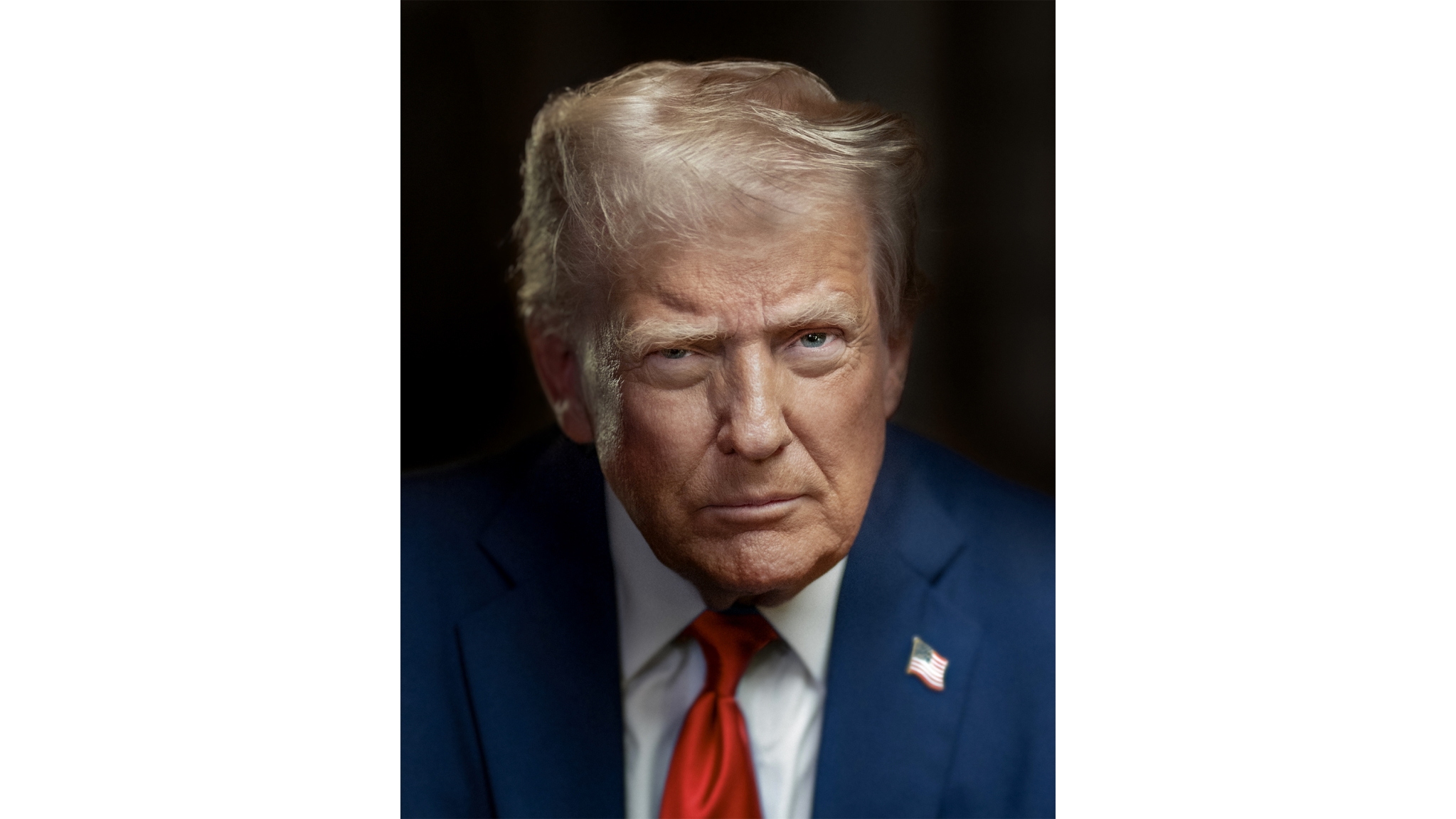
President Donald Trump, who has repeatedly described himself as a “peace president,” has now authorized direct U.S. military strikes against targets inside Iran, marking one of the most consequential foreign policy decisions of his current term.
The coordinated operation, conducted alongside Israel, targeted Iranian military infrastructure that U.S. officials say posed an imminent regional threat. In a White House address delivered Saturday evening, President Donald Trump stated that the objective was to degrade Iran’s strategic capabilities and support what he described as “the Iranian people’s right to determine their own future.”
While the administration has not formally announced a regime change policy, the President’s recent public remarks urging Iranians to “take over” their government have intensified debate over whether the United States is effectively seeking political transformation in Tehran.
From Non-Intervention Rhetoric to Military Action
During previous campaigns and public addresses, President Donald Trump frequently criticized prolonged U.S. military entanglements in the Middle East, citing the wars in Iraq and Afghanistan as costly interventions that failed to produce stable outcomes. He framed his approach as one that would prioritize American security without pursuing open-ended nation-building efforts.
The strikes on Iran represent a significant departure from that messaging. Defense officials described the operation as limited and precise, aimed at missile facilities and command infrastructure. However, foreign policy analysts note that calls for citizens of another country to remove their leadership can carry implications beyond targeted military action.
The White House has not released a detailed strategy outlining what political end-state Washington seeks in Iran, nor has it specified whether additional military operations are under consideration.
Domestic and International Reaction
The decision has drawn divided reactions in Congress. Several Republican lawmakers have defended the strikes as necessary to deter Iran’s regional activities and prevent escalation. Others within the party have expressed concern that direct confrontation risks entangling the United States in a broader conflict.
Democratic leaders have questioned the legal basis for the operation, raising issues related to congressional authorization under the War Powers Resolution. Some lawmakers have called for classified briefings to assess the intelligence that preceded the strikes.
Internationally, allied governments have issued cautious statements urging de-escalation. Iranian officials condemned the operation as an act of aggression and vowed a response, though specific retaliatory measures have not been publicly detailed as of press time.
The Regime Change Question
The concept of regime change carries historical weight in U.S. foreign policy. Past interventions — whether through direct military action or indirect support — have often produced complex and unpredictable outcomes. Experts caution that internal political transformation typically depends on domestic dynamics, including opposition organization, economic pressures, and institutional fractures within governing structures.
Iran’s political system centers authority in the office of the Supreme Leader, alongside elected institutions such as the presidency and parliament. Political transitions within that framework have historically occurred through internal processes rather than external direction.
As of Sunday, there is no confirmed evidence of large-scale coordinated uprisings inside Iran directly linked to President Donald Trump’s remarks. Independent verification of on-the-ground developments remains limited due to communication restrictions and state controls.
Strategic Implications
Military analysts warn that even limited strikes can escalate rapidly depending on retaliation, regional alliances, and proxy dynamics. U.S. forces in the Middle East have reportedly heightened security measures, and naval assets remain positioned in key waterways.
Financial markets reacted with volatility following confirmation of the strikes, particularly in energy sectors sensitive to disruptions in the Persian Gulf region.
For President Donald Trump, the decision represents a pivotal test of his foreign policy doctrine. While he continues to characterize the operation as necessary to secure peace through strength, critics argue that the rhetoric of supporting popular uprisings blurs the line between deterrence and active pursuit of regime change.
An Uncertain Path Forward
The coming days are expected to clarify whether the strikes remain a limited military engagement or evolve into a broader strategic confrontation. Administration officials maintain that the objective is deterrence and regional stability. However, the President’s public encouragement for Iranians to remove their leadership has added a political dimension to the military operation.
Whether this approach aligns with the self-described identity of a “peace president” is now central to domestic and international debate. What remains clear is that the decision has reshaped the geopolitical landscape and introduced new uncertainty into U.S.–Iran relations.
Further updates are anticipated as official briefings continue.
Tags: President Donald Trump, Iran, U.S. Foreign Policy, Middle East Conflict, Regime Change
News by The Vagabond News