

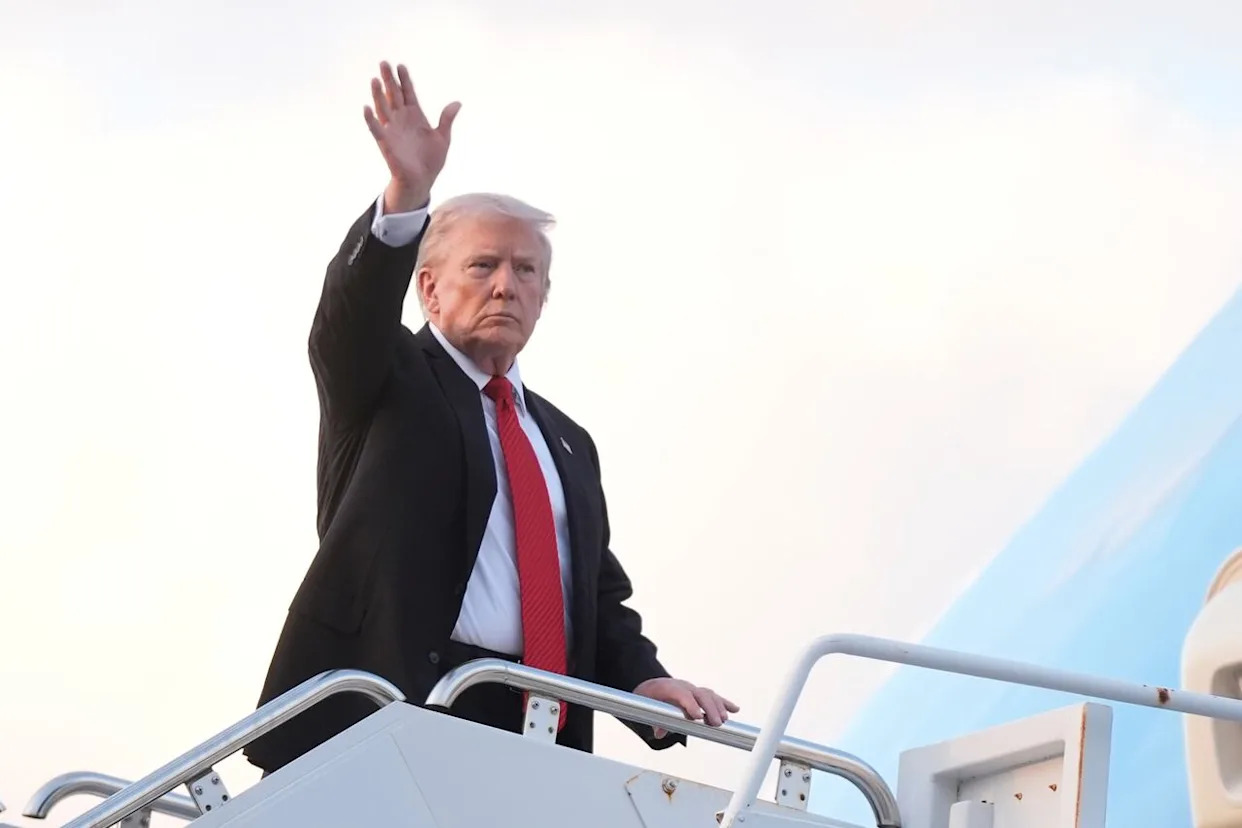
Trump Tariffs: A Pivotal Test for Courts, Voters, and the Budget
This week, three storylines collide: election results, a Supreme Court test of presidential trade powers, and a high-stakes budget fight. All run through the same theme—Trump Tariffs. The court could redefine how presidents use trade statutes, the elections will shape whether Congress expands or reins in that authority, and the funding standoff may determine how tariff policy gets deployed in the near term.
The stakes are both political and economic. Tariffs sit at the center of Trump’s trade, industrial, and geopolitical playbook. Backers credit them with reviving production and boosting leverage abroad; critics blame higher consumer prices and costlier inputs. With the justices weighing whether laws like Sections 232 and 301 grant too much executive discretion—or stretch due process and nondelegation limits—the staying power of Trump Tariffs is facing its most consequential trial yet.
What the Supreme Court Could Decide About Trump Tariffs
The core question: how far can a president go on tariffs without fresh, explicit direction from Congress? Past administrations have leaned on national security and unfair-trade provisions to raise or alter duties. The current case asks the court to draw sharper lines around that power—how evidence is collected, what findings are required, and how broadly “national security” or “unfair practices” can be defined.
A ruling that narrows executive latitude wouldn’t erase current tariffs overnight, but it would likely demand stronger factual records, tighter procedures, and real avenues for companies to challenge rates or product coverage. That would slow adjustments and make future actions more legally vulnerable. A ruling that affirms broad discretion, by contrast, would give the administration a freer hand to expand or recalibrate tariffs—on allies and rivals alike—as negotiations and domestic goals shift.
Supply chains will feel the impact. Importers, retailers, and manufacturers are watching for clarity on exclusions, retroactive refunds, and how courts will review agency findings. Farmers, tech firms, and auto suppliers—caught between foreign retaliation and higher costs at home—are preparing either for a new compliance rulebook or a green light to stay the course.
Election Outcomes Will Shape the Next Chapter of Trump Tariffs
Tuesday’s results are a proxy for the political capital behind Trump Tariffs. If administration allies gain seats in Congress or key statehouses, expect pushes to codify parts of tariff policy, streamline exclusions for small and midsize firms, and tie tariff revenue to domestic manufacturing grants or border infrastructure—moves that would anchor Trump Tariffs in statute and make them harder to unwind.
If the opposition advances, look for aggressive oversight, appropriations riders to limit certain tariff moves, and bipartisan attempts to reclaim some tariff-setting authority for Congress. Moderate coalitions could form around relief for critical inputs—semiconductors, medical supplies, energy components—where cost pressures bite hardest. Either way, the map will influence which sectors get targeted relief and which become bargaining chips.
Shutdown Dynamics and the Tariff Leverage Game
A looming funding deadline turns tariffs into negotiating currency. One pathway pairs short-term spending bills with commitments on exclusions, enforcement staffing, and trade adjustment assistance. Another folds tariff revenue into a broader budget deal—funding infrastructure, border technology, or reshoring efforts. With tariff revenue up under the current regime, fights over whether and how to earmark it will intensify as clocks run down.
For the White House, linking Trump Tariffs to budget priorities can convert trade policy into visible domestic wins. For inflation-wary lawmakers, the bargaining space includes targeted relief on high-impact inputs while keeping pressure on strategic sectors. The risk: prolonged brinkmanship injects uncertainty for importers planning months ahead and for exporters navigating foreign retaliation.
Business and Consumer Stakes in the Trump Tariffs Debate
- Manufacturers: Want predictable exclusions, faster decisions, and clear rules-of-origin to guide capex.
- Retailers and SMEs: Watching landed costs and peak-season inventories; small tariff shifts can flip margins.
- Farmers and food processors: Sensitive to retaliation and quotas; seeking market-access offsets and export credits.
- Energy and infrastructure: Balancing build-out goals against costlier inputs from steel to transformers; clarity could speed projects.
Inflation is the wild card. Headline pressures have cooled, but tariff-heavy categories can amplify or damp broader trends. Court and congressional choices will shape how much cost is absorbed by firms versus passed to consumers.
What to Watch Next for Trump Tariffs
- The Supreme Court’s framing: Statutory text, separation of powers, or procedural safeguards—what the justices emphasize will signal the ruling’s reach.
- Post-election Congress: Committee agendas, draft bills, and early riders will reveal whether guardrails—or codification—are in play.
- Administrative moves: Expect contingency plans on exclusions, enforcement, and sector-specific relief to roll out around the court’s timeline.
- International reaction: Allies may seek carve-outs; competitors could recalibrate retaliation or bring fresh WTO complaints.
Bottom line: Court scrutiny, electoral math, and budget brinkmanship put Trump Tariffs at a hinge moment. A clear judicial roadmap could either discipline or embolden executive trade action. Election results will set Congress’s appetite to codify, constrain, or recalibrate it. And the funding fight may decide how tariff revenue and relief show up on the ground. However it breaks, one thing is clear: Trump Tariffs are moving from a tactical tool to the main arena where law, politics, and the economy intersect—and choices made now will shape that arena for years.


Leave a Reply