Trump Stays Out of Public View After U.S. Launches Military Assault on Iran
Editor: Sudhir Choudhary
Date: March 3, 2026

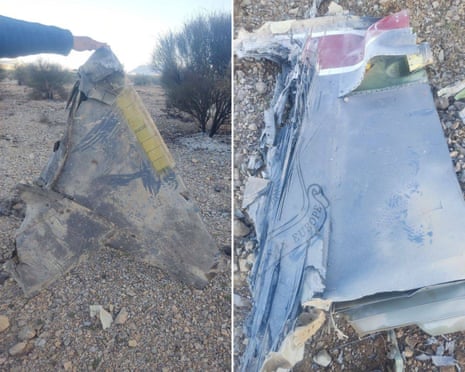
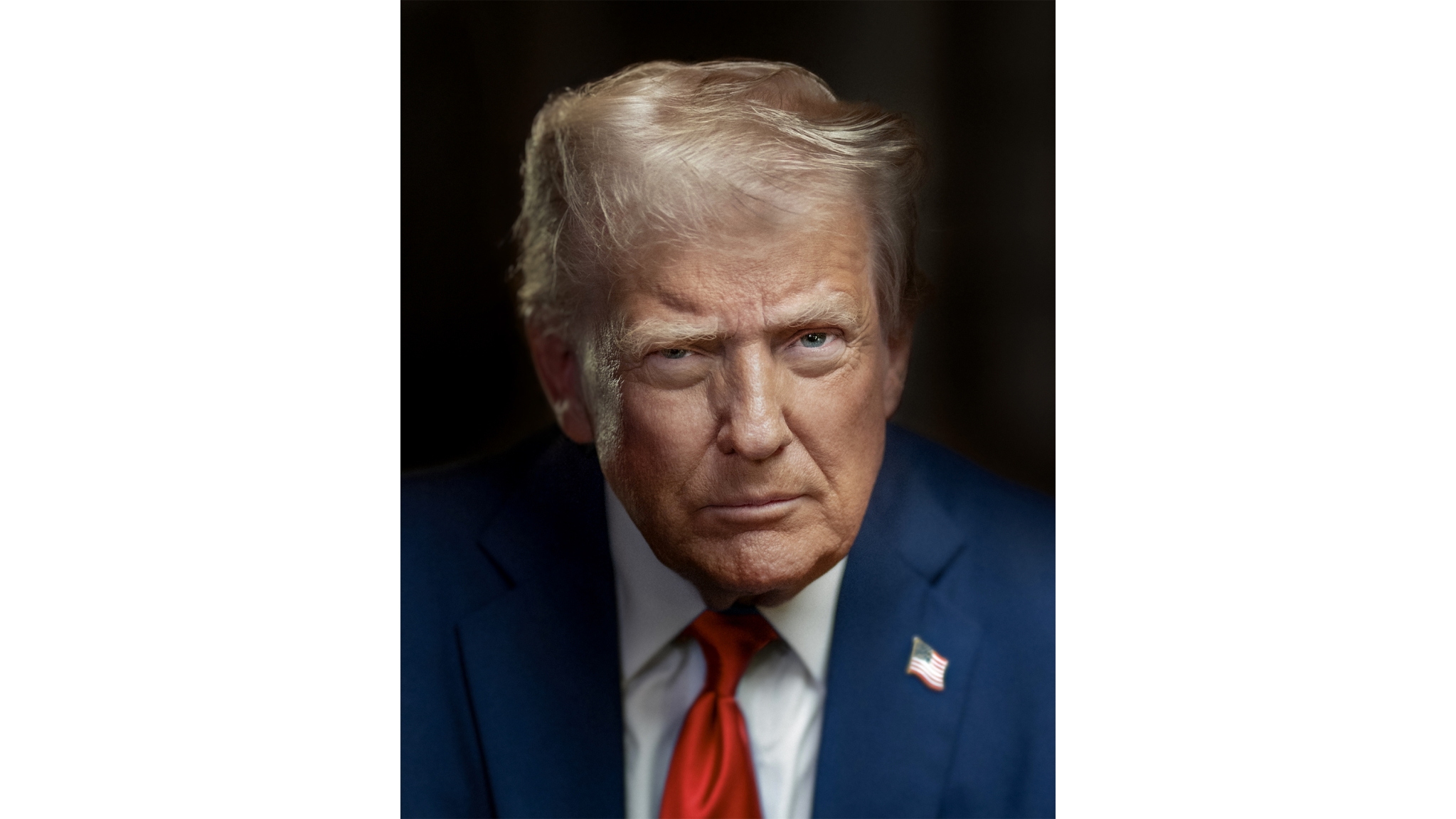
Washington, D.C. — President Donald Trump has remained largely absent from the public spotlight following the United States’ military offensive against Iran that began on February 28, 2026, with joint U.S.–Israeli strikes targeting Iranian leadership and strategic sites. While senior officials and Pentagon spokespeople have appeared in media briefings, Trump himself has not conducted a formal press conference or extensive public engagements since ordering “Operation Epic Fury.”
The operation, described by U.S. and allied officials as necessary to degrade Iran’s missile and nuclear infrastructure, has escalated into a broad regional conflict marked by Iranian missiles and drones attacking U.S. positions and allied bases across the Middle East. Three U.S. service members have been confirmed killed in retaliatory strikes as combat continues.
Public Communication Limited to Recorded Messages
Since the launch of military operations, the president’s primary public communications have been through recorded video posts on his social media platform, rather than live press engagements. In a video posted on Truth Social on March 1, Trump confirmed U.S. casualties, reaffirmed that combat operations “will continue until all of our objectives are achieved,” and vowed to avenge fallen Americans.
Administration officials and Trump allies have sought to frame the choice of prerecorded messages as appropriate to the sensitive security environment, emphasizing that operational considerations and ongoing military briefings take precedence over traditional public appearances.
White House officials also highlighted a separate interview Trump gave to a foreign news outlet during the weekend, in which he reiterated that the campaign could last several weeks and expressed openness to future talks with Iranian leaders if conditions permitted.
Strategic Messaging Managed by Surrogates
With the president largely off the formal press stage, key aspects of U.S. messaging on the conflict have been driven by senior administration officials, Pentagon spokespeople, and members of Congress.
Defense officials have held periodic briefings outlining tactical developments, including strikes against Iranian naval assets and missile systems, and have addressed casualties suffered by American forces. These briefings have also stressed that U.S. military focus remains on achieving defined objectives rather than entering protracted negotiations at this stage.
Cabinet members and national security advisors have participated in media appearances to contextualize the administration’s position, asserting that the strikes were intended to mitigate future threats posed by Tehran’s missile program and regional proxy activities. The administration has defended its actions as consistent with national security interests, while critics across the political spectrum argue that the communication strategy lacks clarity and fails to explain the broader rationale in detail to the American public.
Critics and Lawmakers Raise Concerns
The subdued public profile has drawn criticism from some lawmakers who argue that increased transparency is necessary during an active military campaign. Members of both parties on Capitol Hill have emphasized the need for regular updates from the president and senior officials regarding goals, timelines, and legal authority for ongoing hostilities.
Critics have also raised questions about whether the administration has adequately briefed Congress under constitutional war powers procedures and have called for formal hearings to clarify the strategic and legal basis for the operation.
Democratic leaders in Congress have characterized the offensive as a “war of choice” lacking congressional authorization, while some Republican lawmakers advocate for assertive military posture but stress the importance of detailed public accountability.
U.S. Public and International Response
Public opinion in the United States remains sharply divided over the conflict. Polling data collected since the strikes began indicate that a significant portion of Americans express skepticism about the necessity and duration of military engagement, underscoring national unease with the evolving situation.
Internationally, allied governments have called for restraint and pushed for a clear diplomatic strategy to accompany military actions, even as hostilities continue to expand in the Middle East. Several nations emphasized the importance of communication from the U.S. government about its long-term objectives, particularly given the scale of devastation reported in Iran and the potential for further escalation.
Context and Next Steps
The president’s limited public appearances come amid intensifying conflict that has shaped regional military dynamics and global geopolitical debates. U.S. and Israeli operations have reportedly disrupted significant elements of Iranian naval and missile capabilities, though retaliatory attacks against American and allied positions persist.
Officials have indicated that Trump continues to receive regular briefings from military and intelligence leaders at his private residence and through secure channels, and that future statements may be issued as key developments unfold.
Sources:
Reuters
Tags: U.S. Military, Iran Conflict, Donald Trump, Public Communications, Pentagon
News by The Vagabond News