Trump Spoke by Phone Last Week With Maduro, Venezuela’s Leader

📅 2025-11-29
✍️ Editor: Sudhir Choudhary, The Vagabond News
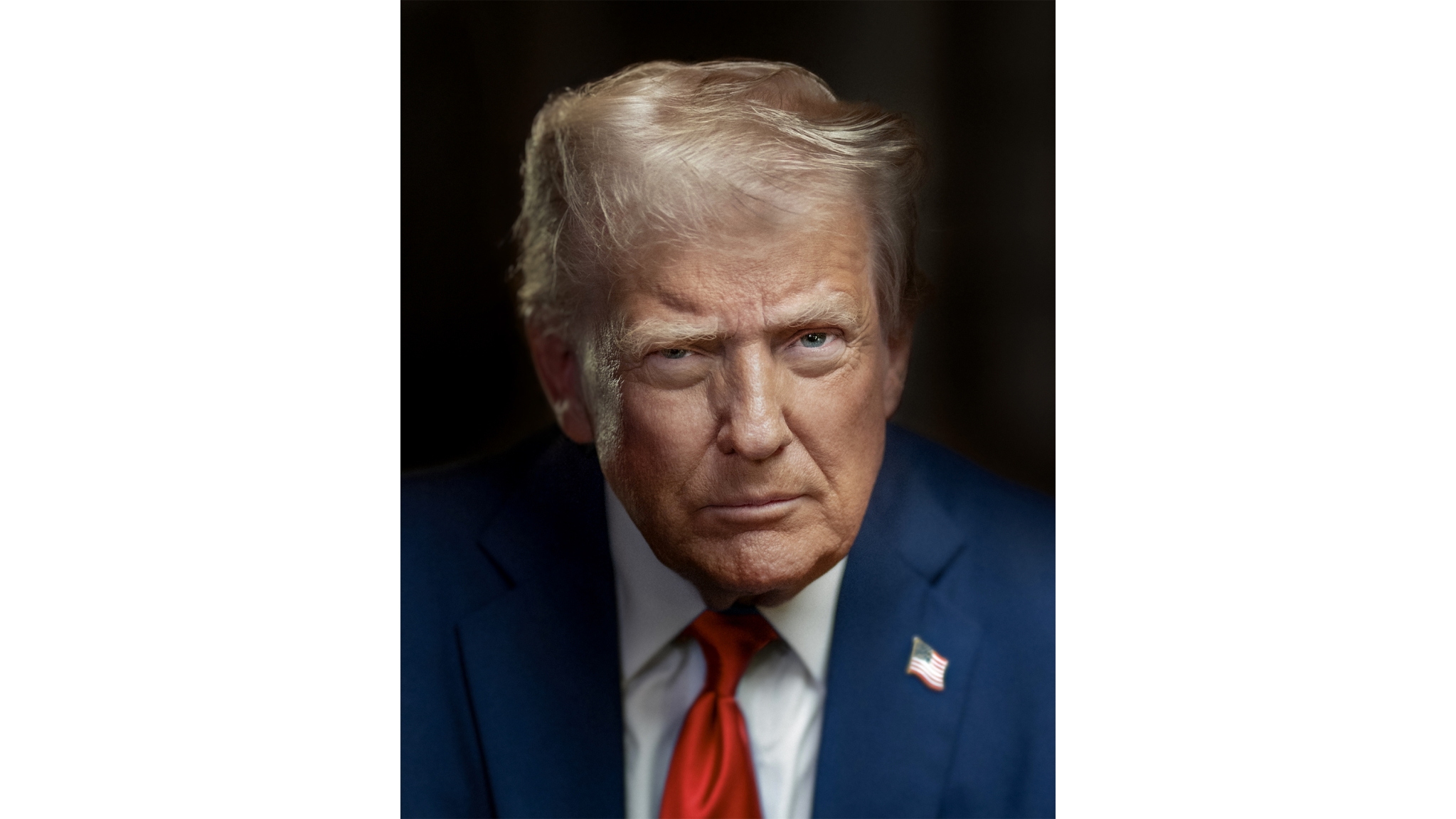
Former U.S. President Donald Trump held a phone conversation last week with Venezuelan President Nicolás Maduro, marking one of the most unexpected diplomatic contacts in recent years between the two politically opposed leaders. The call, confirmed by two individuals familiar with the interaction, has sparked debates across Washington and Latin American capitals over its timing, intent, and possible geopolitical implications.
According to sources, the conversation took place late Thursday and lasted roughly 20 minutes. While neither Trump nor Maduro has issued a public statement, people briefed on the call said the dialogue centered on sanctions, U.S.–Venezuela relations, and the possibility of reopening limited diplomatic channels that have been frozen since 2019.
The discussion comes at a sensitive moment. Maduro, who remains under heavy U.S. sanctions for alleged human-rights violations and election interference, has sought to reduce international isolation ahead of Venezuela’s 2025 presidential elections. Trump, meanwhile, continues to wield significant influence over the Republican Party and has positioned immigration and foreign policy as pillars of his potential political comeback.
White House officials were quick to distance the administration from the communication, noting that Trump no longer holds government authority and that any foreign-policy engagement with Caracas must be conducted through official diplomatic channels. A senior administration official described the conversation as “private and unofficial,” adding that it “does not represent U.S. policy.”
Still, the call has generated unease within Washington’s national-security circles, given the fraught history between Trump and Maduro. In 2019, Trump backed opposition leader Juan Guaidó as Venezuela’s legitimate interim president and imposed sweeping sanctions targeting Venezuela’s oil industry and senior officials. Maduro repeatedly accused Trump of supporting coups and destabilization efforts, while Trump labelled the Venezuelan leader a dictator.
Diplomatic analysts say the recent conversation suggests a tactical shift. Maduro has in recent months signaled openness to easing tensions with the United States, while also strengthening ties with Russia, Iran, and China. By engaging Trump directly, he may be looking for potential openings in the U.S. political landscape, especially as domestic divisions shape foreign-policy debates.
Venezuelan state media, which has not officially confirmed the call, carried segments over the weekend praising “new avenues of international dialogue,” hinting at possible internal acknowledgement of the development. Opposition leaders in Venezuela criticized the conversation, calling it an attempt by Maduro to gain legitimacy abroad ahead of elections.
Republican lawmakers expressed mixed reactions. Some viewed Trump’s outreach as a strategic effort to explore alternative diplomatic channels, while others cautioned that any direct contact with Maduro risks undermining bipartisan consensus on sanctions. Democrats, for their part, warned that informal diplomacy could confuse U.S. messaging and embolden authoritarian regimes seeking political oxygen.
Foreign-policy experts note that such calls, though unusual, are not unprecedented. Former presidents often maintain international networks and can influence global conversations informally. However, the sensitivity of U.S.–Venezuela relations makes any engagement subject to intense scrutiny.
The Biden administration maintains that sanctions will remain in place until Venezuela demonstrates credible progress on electoral reforms and human rights. Meanwhile, the Treasury Department has been reviewing limited sanction relaxations tied to humanitarian access and energy-sector stabilization.
For now, the substance and impact of the Trump–Maduro call remain uncertain. Analysts say the conversation could either signal a new phase of backchannel diplomacy or amount to little more than political signaling from both sides.
What is clear is that any contact between Trump and Maduro—leaders who once exchanged accusations, threats, and open hostility—adds another layer of complexity to the evolving geopolitical landscape in the Americas.
News by The Vagabond News