Editor: Sudhir Choudhary | April 1, 2026

Executive Order Targets Mail Voting Systems
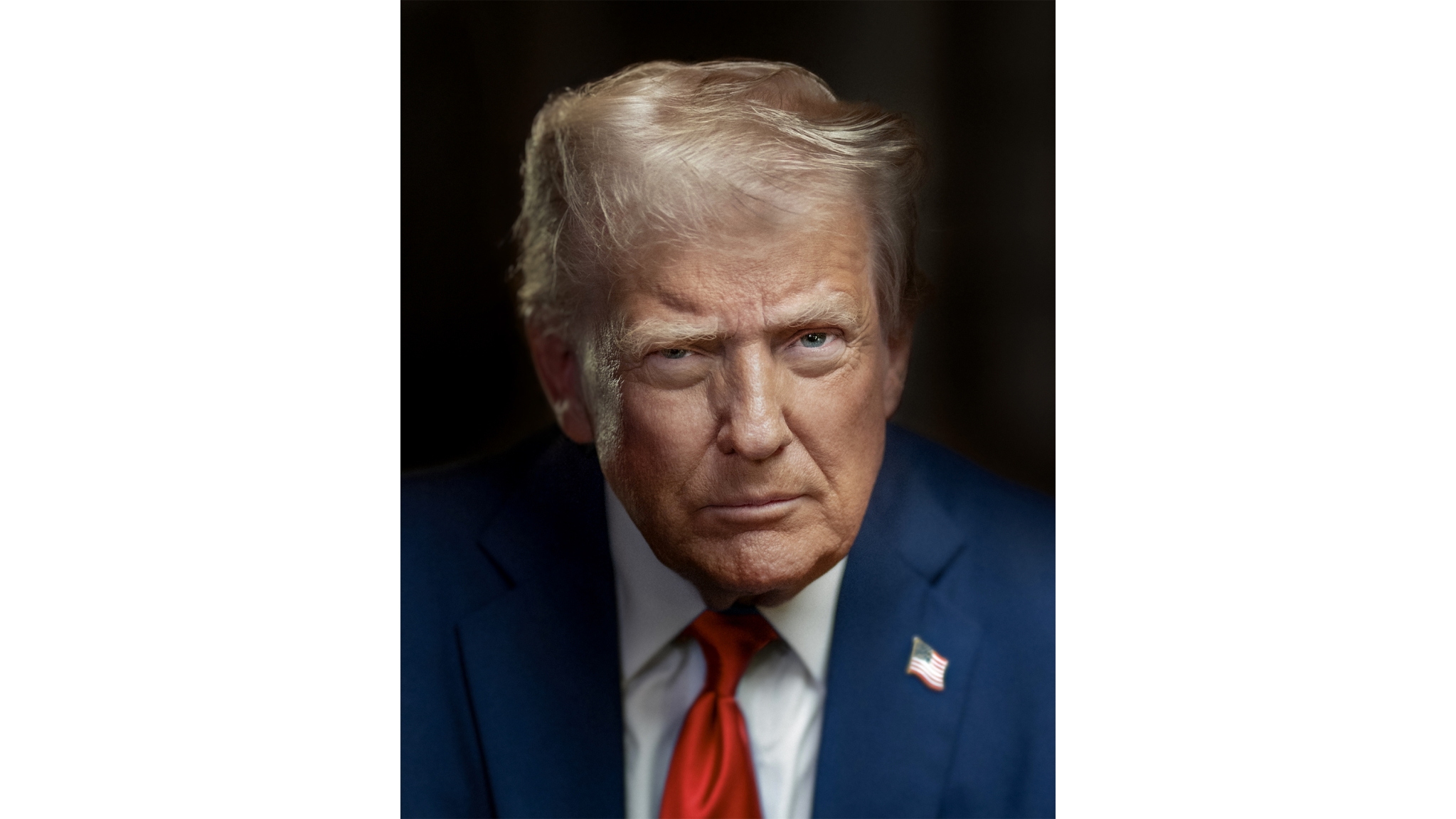
President Donald Trump has signed a new executive order aimed at increasing federal oversight of mail-in voting systems across the United States. The move marks a significant escalation in the administration’s long-standing efforts to reshape election procedures, particularly those expanded during recent election cycles.
According to initial details released by the White House, the order seeks to establish greater federal authority over how mail ballots are distributed, verified, and counted. Specific mechanisms for implementation have not yet been fully disclosed, and it remains unclear how the directive will interact with existing state-controlled election systems.
Legal and Constitutional Questions Arise
Legal experts have raised immediate questions about the constitutionality of the order, noting that election administration in the United States is primarily governed by individual states. Analysts suggest that any attempt to centralize control at the federal level could face significant judicial challenges, potentially reaching the Supreme Court of the United States.
Several constitutional scholars emphasized that while the federal government can set certain election standards, direct control over voting processes—including mail ballots—has traditionally been reserved for state authorities. No lawsuits had been officially confirmed at the time of publication, though legal challenges are widely anticipated.
Continued Claims on Election Integrity
President Donald Trump has repeatedly asserted that widespread fraud exists in mail-in voting systems. However, multiple independent investigations and reviews conducted after recent elections have not found evidence of fraud on a scale that would alter election outcomes. These findings have been reported by bipartisan state officials and federal agencies.
Despite this, the President has continued to promote concerns about election integrity, framing the executive order as a necessary step to restore public confidence in the electoral process. Critics argue that such claims risk undermining trust in democratic institutions without substantiated evidence.
Political Reactions and Divisions
The executive order has drawn sharply divided reactions from political leaders. Supporters of President Donald Trump argue that stronger federal oversight could standardize election procedures and reduce vulnerabilities.
Opponents, including several state officials, contend that the move represents federal overreach and could disrupt established voting systems ahead of future elections. Voting rights organizations have also expressed concern that changes to mail voting could disproportionately affect certain voter groups.
As of now, no detailed implementation timeline has been released, and federal agencies responsible for elections have not issued comprehensive guidance on how the order will be executed.
Uncertainty Over Implementation and Impact
The full implications of the executive order remain unclear. Analysts note that even if enacted, practical enforcement would require coordination with state governments, many of which may resist federal intervention.
The absence of detailed provisions has left election officials awaiting further clarification. Until additional information is released, the scope and impact of the order remain uncertain, and several key questions about enforcement and legality are unresolved.
Sources:
- Official White House statement on executive order
- Reports from Reuters, Associated Press, and CNN
- Analysis from U.S. constitutional law experts and election officials
Tags:
Donald Trump, US Elections, Mail Voting, Executive Order, Supreme Court, US Politics, Election Integrity
News by The Vagabond News.