Trump Says U.S. Will ‘Run’ Venezuela and ‘Fix Oil Infrastructure’
📅 January 4, 2026
✍️ Editor: Sudhir Choudhary, The Vagabond News

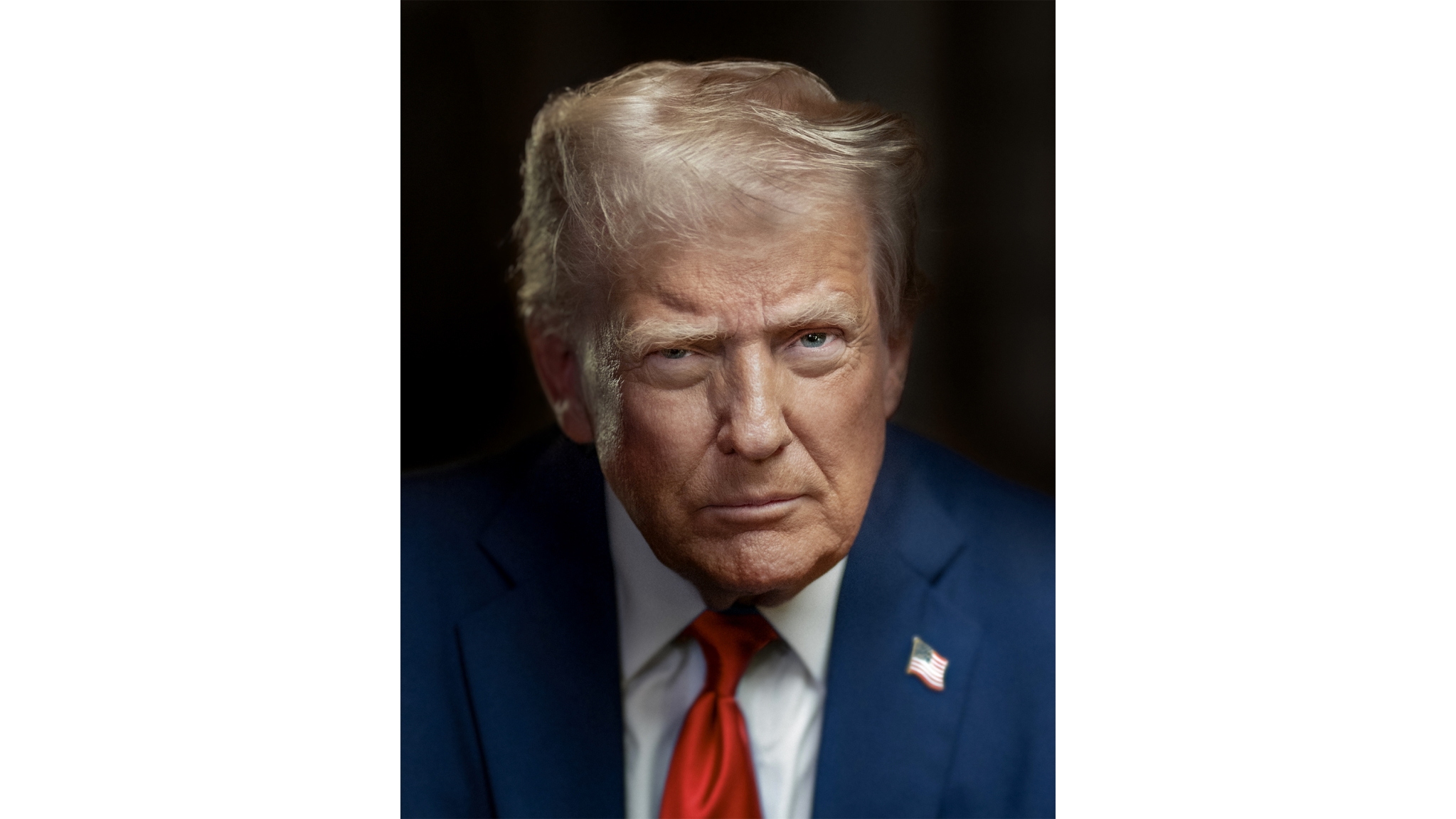
In a statement that has sent shockwaves through diplomatic, legal, and energy circles worldwide, President Donald Trump said the United States would “run” Venezuela and “fix its oil infrastructure,” openly embracing a role that would place Washington at the helm of a sovereign nation’s political and economic systems.
Trump’s remarks, delivered during an interaction with reporters, mark the clearest articulation yet of an interventionist vision that goes far beyond sanctions or diplomatic pressure. Framed as a pragmatic solution to Venezuela’s prolonged collapse, the proposal raises profound questions about international law, regional stability, and the limits of U.S. power.
“We know oil. We can fix it,” Trump said, referring to Venezuela’s battered petroleum sector. He argued that decades of mismanagement and corruption under the government of Nicolás Maduro had left the country incapable of recovery without outside control.
A Dramatic Escalation in U.S. Rhetoric
While Trump has long criticized Venezuela’s leadership and hinted at regime change, the language of direct governance represents a dramatic escalation. Previous U.S. policy focused on sanctions, diplomatic isolation, and recognition of opposition figures. Explicitly stating that the U.S. would “run” the country signals a willingness to assume administrative authority—at least temporarily—over state institutions and critical infrastructure.
Administration officials sought to temper the remarks, saying the president was referring to a transitional arrangement aimed at stabilizing the country and restoring oil production. Still, no formal plan or legal framework has been presented, leaving allies and adversaries alike scrambling to interpret Washington’s intentions.
“This is not incremental pressure,” said a former U.S. State Department official. “This is a declaration of managerial ambition over another country.”
Oil at the Center of the Strategy
Venezuela holds the world’s largest proven oil reserves, yet production has collapsed due to sanctions, underinvestment, and the loss of technical expertise. Trump has repeatedly argued that restoring oil output would both stabilize Venezuela and benefit global energy markets.
Under his vision, U.S. involvement would bring American technology, management, and capital to rehabilitate refineries, pipelines, and export terminals. Supporters say such an approach could rapidly increase supply, lower global oil prices, and generate revenue to fund humanitarian relief.
Critics counter that oil-driven intervention blurs the line between assistance and exploitation. International law prohibits an occupying or controlling power from exploiting another nation’s natural resources for its own benefit, absent clear consent from a legitimate local government.
Legal and International Backlash
Legal scholars were quick to warn that any unilateral U.S. move to govern Venezuela would likely constitute an illegal occupation under international law. The United Nations Charter enshrines state sovereignty, and even the removal or capture of a head of state does not grant another country the right to administer the nation.
“Fixing infrastructure is one thing; running a country is another,” said an international law expert based in The Hague. “Without U.N. authorization or Venezuelan consent, this would face immediate legal challenges and diplomatic isolation.”
Russia, China, and several Latin American governments have already expressed opposition to any foreign takeover of Venezuela, warning that such a move would destabilize the region and set a dangerous precedent.
Domestic Political Risks
At home, Trump’s comments risk unsettling parts of his “America First” base, which has traditionally opposed prolonged foreign entanglements. While some supporters welcome a transactional approach that ties intervention to tangible returns, others fear the United States could be drawn into a costly and open-ended commitment.
Congressional leaders from both parties have also raised concerns about authorization, oversight, and the potential for escalation.
An Uncertain Road Ahead
For Venezuela, the statement underscores fears that decisions about its future may be made abroad, with oil infrastructure—not democratic consent—at the center of negotiations. For the United States, it represents a pivotal moment: a choice between pressure and partnership, or control and confrontation.
Whether Trump’s remarks translate into formal policy remains to be seen. What is clear is that by openly declaring an intent to “run” Venezuela, President Donald Trump has crossed a rhetorical threshold—one that could reshape U.S.–Latin America relations for years to come.
Source: Reporting based on coverage and analysis by The New York Times and Reuters.
Tags:
Venezuela crisis, President Donald Trump, Nicolás Maduro, U.S.–Venezuela relations, oil infrastructure, international law, regime change debate, energy geopolitics, Latin America
News by The Vagabond News