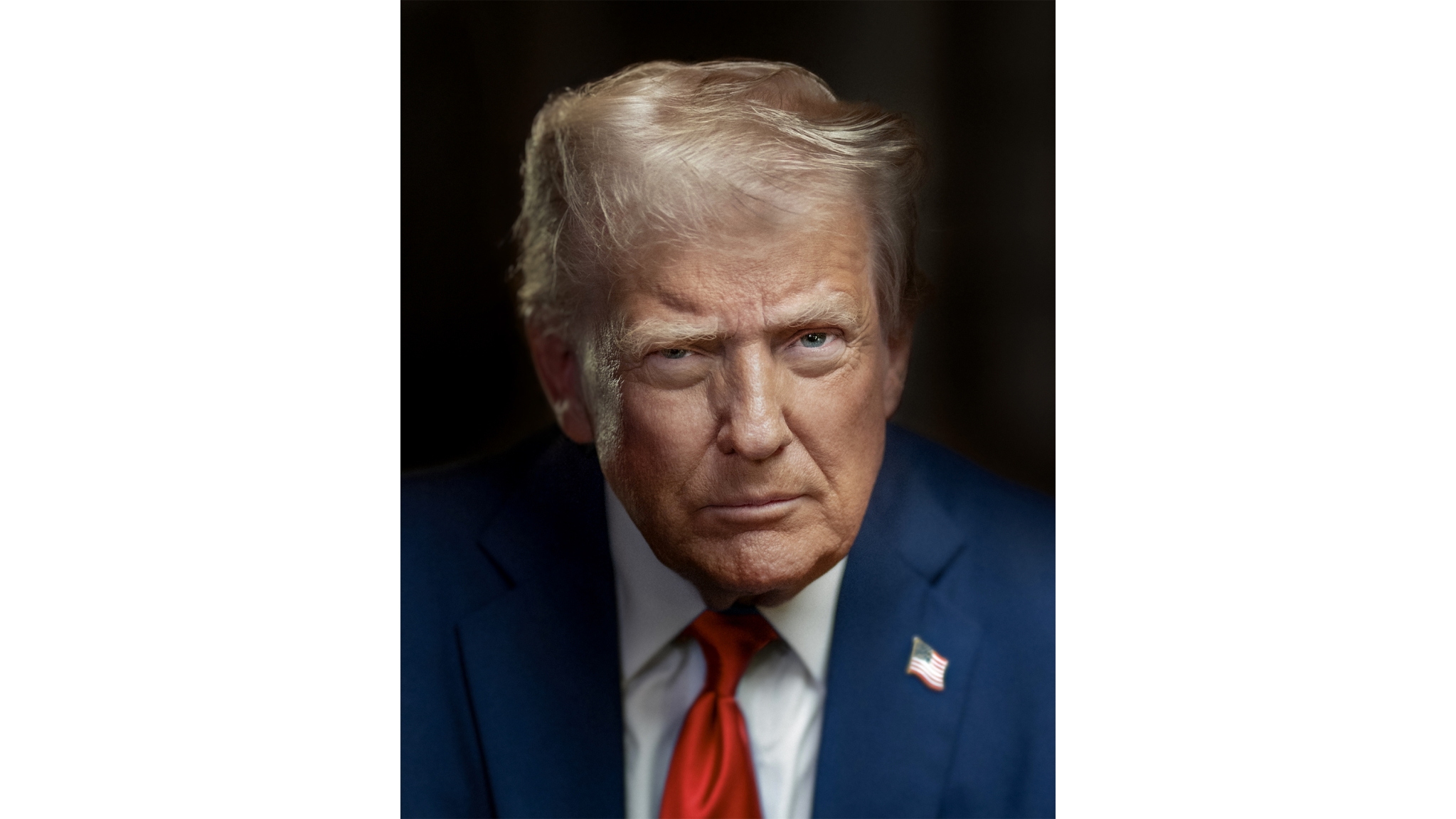
President Donald Trump Says He Is the ‘Least Racist’ President, but His Term Rekindles Debate Over Racial Rhetoric
Editor: Sudhir Choudhary
Date: March 2, 2026

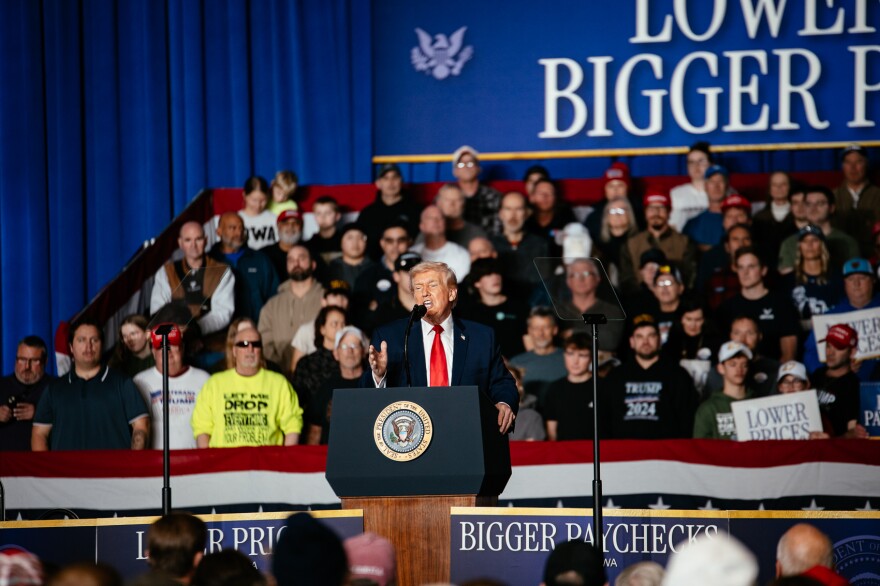
Washington, D.C., March 1, 2026 (6:30 PM EST) — President Donald Trump declared during a weekend rally that he is the “least racist” president in United States history, a statement that immediately reignited national debate over the racial rhetoric and policy record that have defined major chapters of his political career. The remarks, delivered before supporters at a campaign-style event, come amid renewed scrutiny from civil rights groups and lawmakers who argue that several actions taken during his term echo fraught moments in America’s racial past.
President Donald Trump made the comments in response to questions about criticism from advocacy organizations and political opponents who say his language and policy choices have deepened divisions along racial lines. “Nobody has done more for minority communities than I have,” he told the audience, without providing specific examples during that portion of his speech.
Background of the Statement
The president’s remarks follow recent controversy over statements concerning immigration enforcement and urban crime, which critics argue employ language historically associated with racial stereotyping. The White House has defended the president’s comments as focused on public safety and border control rather than race.
Civil rights organizations, including the NAACP, responded by pointing to prior statements and policies they contend disproportionately affected minority communities. In a public statement issued Sunday afternoon, the organization said rhetoric from national leaders carries historical weight and influences public perception and social cohesion.
Historians note that debates over presidential rhetoric and race are not new. From Reconstruction through the Civil Rights era, presidential words and actions have often shaped national conversations on equality and discrimination. Scholars say the intensity of the present debate reflects both the country’s demographic shifts and the amplification of political discourse through digital media.
Policy Record Under Examination
During his term, President Donald Trump implemented stricter immigration enforcement measures, including expanded border wall construction and revised asylum rules. Administration officials argued those policies were necessary to secure the border and uphold federal law. Critics, however, said the measures disproportionately impacted Latino and immigrant communities.
The president also faced criticism during nationwide racial justice protests following the 2020 killing of George Floyd. At the time, President Donald Trump characterized some demonstrations as lawless and called for stronger policing responses. Supporters said he was defending public order; opponents said his framing failed to acknowledge systemic racial grievances.
Judicial appointments during his tenure also reshaped the federal judiciary, including the Supreme Court of the United States, influencing decisions related to voting rights and affirmative action. Advocacy groups argue those rulings have significant long-term implications for racial equity policy.
Supporters Cite Economic and Criminal Justice Measures
Supporters of President Donald Trump point to the bipartisan First Step Act, signed into law in 2018, as evidence of his administration’s engagement with criminal justice reform. The legislation reduced certain federal prison sentences and expanded rehabilitation programs. Backers say it directly benefited minority communities disproportionately affected by mandatory minimum sentencing.
The administration also highlighted pre-pandemic economic indicators showing historically low unemployment rates among Black and Hispanic Americans. White House officials frequently cited those figures as proof of inclusive economic growth policies.
Political analysts observe that the debate over the president’s racial record often divides along partisan lines. While supporters emphasize economic data and specific legislative achievements, critics focus on rhetoric, immigration enforcement strategies, and responses to civil rights demonstrations.
Historical Context and Ongoing Debate
Historians caution that comparisons to past eras require nuance. The United States has experienced periods of overtly discriminatory federal policy, including segregation laws and restrictions on voting rights. Modern debates center more on rhetoric, institutional policy shifts, and judicial interpretation rather than explicit statutory discrimination.
Public opinion surveys in recent years have shown sharply divided views on whether the country is making progress on racial equality. Polling consistently indicates partisan gaps in perceptions of discrimination and systemic bias.
President Donald Trump has not provided detailed documentation supporting his claim of being the “least racist” president. The White House did not immediately respond to requests for clarification regarding metrics or historical benchmarks underlying the statement.
Conclusion
President Donald Trump’s assertion that he is the “least racist” president has reopened longstanding debates about race, rhetoric, and policy in American governance. While supporters highlight economic performance and criminal justice reforms during his tenure, critics argue that elements of his language and administrative decisions evoke difficult chapters of the nation’s racial history. As political discourse intensifies ahead of upcoming elections, the broader conversation about leadership, accountability, and equality remains central to national debate.
Sources:
White House rally transcript, March 1, 2026
Statement from the NAACP, March 1, 2026
Congressional records on the First Step Act
U.S. Bureau of Labor Statistics employment data archives
Historical analysis from academic civil rights scholars
Tags: U.S. Politics, Civil Rights, Race Relations, White House, Public Policy
News by The Vagabond News