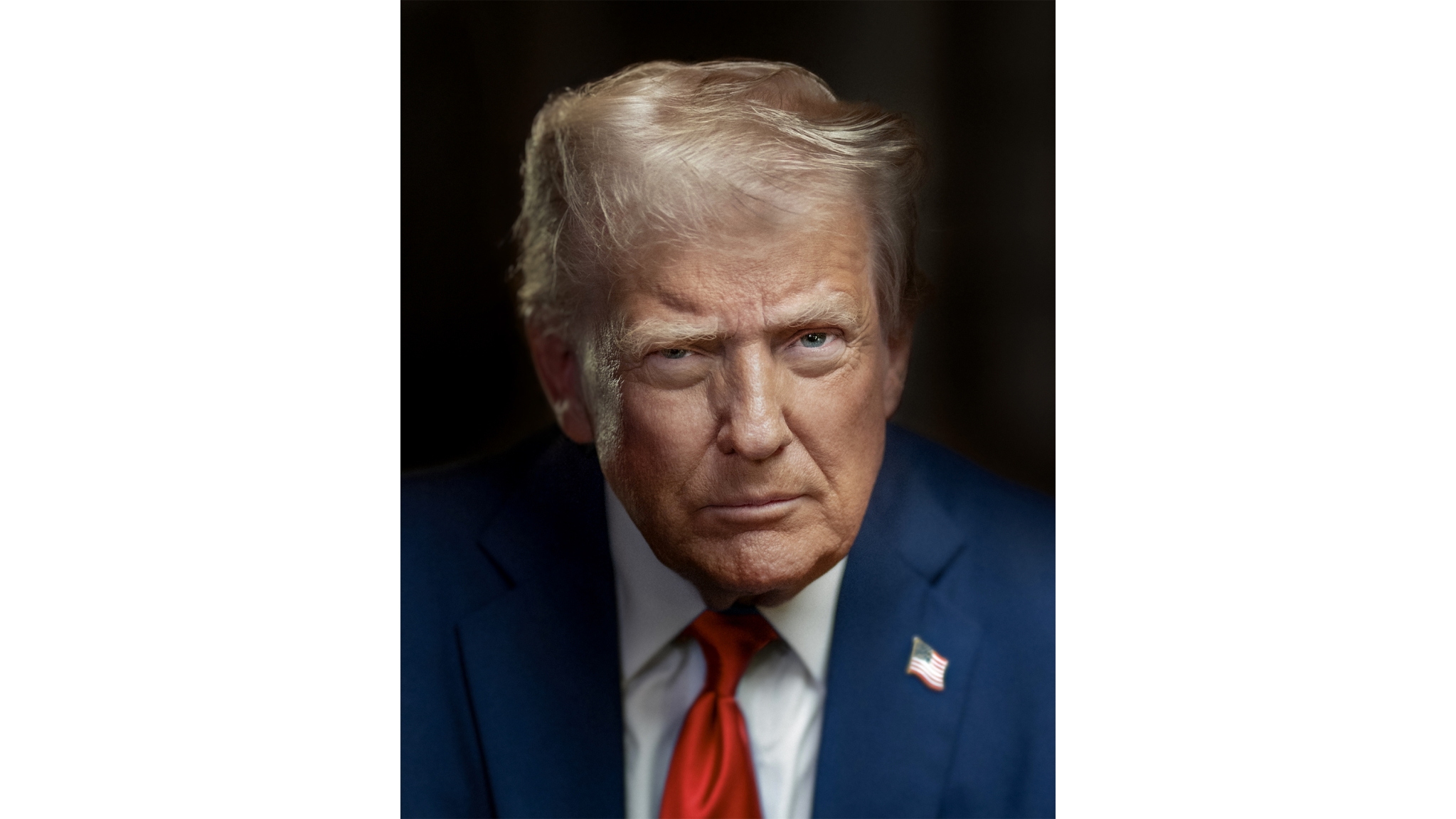
President Donald Trump Presses on With Tariffs, Posing Challenge for Republicans
📅 21 February 2026
✍️ Editor: Sudhir Choudhary, The Vagabond News

President Donald Trump is continuing to advance a tariff-driven trade agenda, placing renewed pressure on congressional Republicans as debates intensify over economic strategy, inflation concerns, and global trade relations. The President’s position, reiterated in recent public remarks and policy statements, underscores his longstanding view that tariffs are a necessary instrument to protect American industries and address trade imbalances.
The latest developments follow recent legal scrutiny of executive tariff authority and growing divisions within the Republican Party over the economic and political consequences of sustained import duties.
Tariffs Central to President Donald Trump’s Economic Strategy
President Donald Trump has consistently framed tariffs as leverage in trade negotiations and as a safeguard for domestic manufacturing. In recent speeches, he stated that continued tariff enforcement is essential to counter what he describes as unfair trade practices by foreign competitors.
Administration officials have indicated that additional duties remain under consideration in sectors involving strategic industries, including technology and industrial manufacturing. The White House has not publicly detailed the full scope or timeline of potential measures, but officials have confirmed that trade policy remains a central pillar of the President’s economic agenda.
Tariffs currently in effect impact a range of imported goods, including steel, aluminum, and various manufactured products. Federal agencies overseeing trade enforcement maintain that the measures are designed to strengthen supply chain resilience and national security.
Republican Lawmakers Face Policy Tensions
Within the Republican Party, reactions have been mixed. Some lawmakers have publicly endorsed the President’s tariff stance, arguing that strong trade enforcement aligns with economic nationalism and long-term industrial growth.
Others have expressed concern about potential inflationary effects and the impact on businesses reliant on imported components. Several Republican senators have called for greater congressional consultation before expanding tariff actions, emphasizing the need for predictable trade policy to support business investment.
No formal legislative effort to restrict executive tariff authority has advanced at this stage, though discussions continue within key committees overseeing trade and finance.
Economic Impact and Market Response
Economic analysts remain divided over the long-term consequences of sustained tariffs. Supporters argue that protective duties can stimulate domestic production and incentivize reshoring of manufacturing operations. Critics contend that tariffs may increase costs for consumers and disrupt global supply chains.
Recent economic data from federal agencies indicate stable but cautious market conditions, with businesses closely monitoring policy signals from Washington. Financial markets have shown measured reactions, reflecting uncertainty over whether new tariff measures will be implemented.
Trade associations representing manufacturers and retailers have issued statements urging clarity and consistency in trade policy. However, no nationwide economic disruption linked directly to the latest announcements has been officially reported.
International Considerations
Foreign governments affected by U.S. tariffs have historically responded with reciprocal trade measures. Diplomatic channels remain active, though no immediate retaliatory actions have been formally announced in connection with the President’s latest statements.
Trade negotiations with several partner nations remain ongoing. The Office of the United States Trade Representative has not confirmed whether new talks will accompany any additional tariff measures.
Legal Context and Oversight
The President’s authority to impose tariffs generally derives from congressional statutes such as the Trade Expansion Act and related trade laws. Recent court rulings have clarified procedural requirements but have not eliminated executive discretion in this area.
At present, there are no publicly disclosed legal challenges specifically targeting the most recent tariff considerations. Oversight hearings in Congress are expected to continue as part of routine review of trade policy.
Political Implications Ahead
With election cycles approaching, the tariff debate is expected to remain a focal point of Republican policy discussions. For President Donald Trump, the strategy reinforces a core campaign message centered on economic sovereignty and domestic industry.
For Republican lawmakers, the challenge lies in balancing support for the President’s agenda with concerns voiced by business constituencies and fiscal conservatives.
Further policy announcements are anticipated in the coming weeks as the administration evaluates trade enforcement mechanisms and potential adjustments.
Sources:
White House public remarks; Office of the United States Trade Representative statements; Congressional committee briefings on trade policy; U.S. Department of Commerce data releases.
Tags: President Donald Trump, Tariffs, Republican Party, Trade Policy, U.S. Economy, Congress
News by The Vagabond News