Trump Announces 25% Tariff on Countries Doing Business With Iran
📅 January 13, 2026
✍️ Editor: Sudhir Choudhary, The Vagabond News

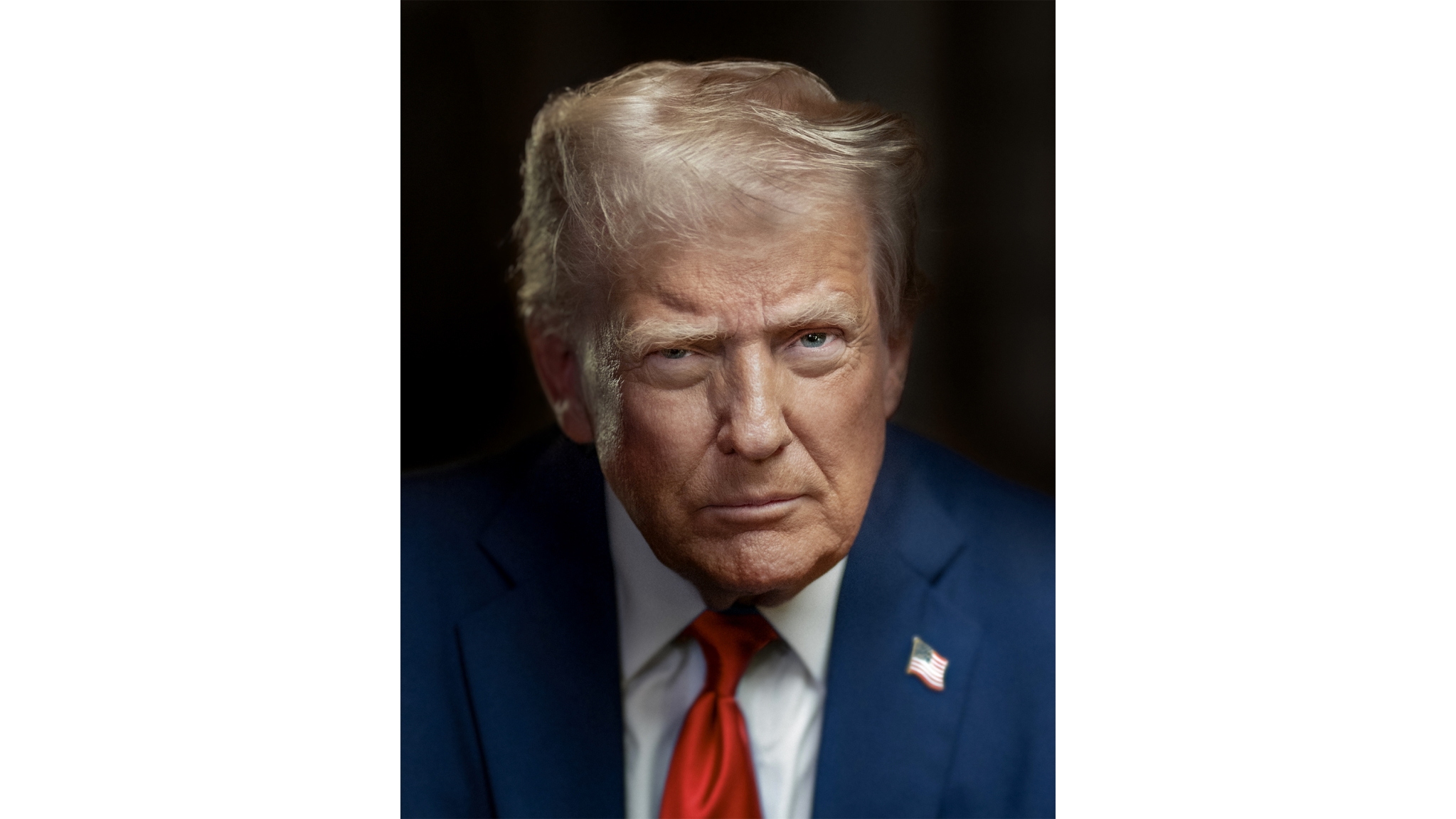
WASHINGTON — President Donald Trump has declared that the United States will impose a 25 percent tariff on any country that conducts business with the Islamic Republic of Iran, a sweeping economic measure announced Monday that is intended to exert heightened pressure on Tehran and its international partners amid ongoing political turmoil in Iran.
In a post on his social media platform Truth Social, Trump stated the tariff would take effect “effective immediately” and described the policy as “final and conclusive,” although detailed legal or implementing guidance has not yet been provided by the White House. The announcement represents an escalation of U.S. economic policy toward Iran and nations that maintain commercial ties with Tehran.
Scope and Mechanism of the Tariffs
Under the newly announced policy, any country that continues to engage in trade with Iran — including import or export activity — could face a 25 percent tariff on goods entering the United States. U.S. importers would be responsible for the additional duties, but analysts warn the costs could be passed through global supply chains, affecting producers, exporters and consumers worldwide.
The announcement did not specify when or how the tariff rule would be codified in law or implemented through formal regulation, nor did the White House immediately release supporting executive orders or statutory authority. Observers say the measure could invoke provisions of the International Emergency Economic Powers Act (IEEPA) or other trade statutes, though the administration’s legal basis remains unclear.
International Trade Implications
Major economies that have ongoing trade relationships with Iran — including China, India, Russia, Turkey and the United Arab Emirates — could be directly affected if the tariffs are enforced. China and India are among Iran’s largest trade partners, particularly in the energy sector, and the additional 25 percent levy could complicate existing commercial ties and global supply networks.
Economic and diplomatic experts warn that such a broad application of tariffs has the potential to disrupt global trade flows, trigger retaliatory measures, and strain relations with traditional U.S. partners who may reject forced economic decoupling from Iran. Some analysts equate the move to “secondary tariffs,” whereby third-party nations are penalized for trading with a sanctioned state, an approach that has drawn legal scrutiny and debate in international trade fora.
Strategic Context: Iran and Domestic Turmoil
Trump’s announcement comes as Iran experiences months of widespread anti-government protests and internal unrest, which have resulted in significant casualties and international concern. The administration has indicated that economic pressure, including tariffs, is part of a broader toolkit to push Tehran toward concession or policy change amid the ongoing crisis.
The president has publicly linked the tariff threat to Iran’s domestic human rights situation, asserting that countries engaging economically with Tehran contribute, in his view, to enabling the Iranian government’s actions. Critics within the U.S. and abroad caution that tariffs targeting other nations could be seen as punitive and extraterritorial, heightening geopolitical tensions rather than achieving policy objectives.
Domestic and Political Reactions
Within the United States, the tariff announcement has elicited mixed responses. Supporters of the policy argue that it strengthens American leverage over Iran and dissuades third countries from sustaining financial lifelines to the Iranian economy. Proponents also frame the tariffs as consistent with Trump’s broader economic agenda of using trade policy as a tool of geopolitical pressure.
Opponents, including some economists and business groups, warn that an abrupt 25 percent levy on global trading partners is likely to increase costs for U.S. companies and consumers, disrupt longstanding trade relationships, and risk retaliatory tariffs on American exports. They also express concern about the legal foundation of imposing tariffs unilaterally without legislative endorsement.
Next Steps and Uncertainties
As of publication, the U.S. government has not published implementing regulations or a list of targeted nations, leaving uncertainty about how the tariffs will be applied in practice. Diplomats and trade officials are reportedly assessing how the policy might affect existing trade deals and ongoing negotiations. International responses will likely emerge in the coming days as affected capitals evaluate their positions.
The tariff announcement signals a significant application of economic statecraft in U.S. foreign policy, leveraging trade tools to influence geopolitical outcomes. Observers say the long-term impact of the policy — on global trade, diplomatic relations, and pressures on Iran — remains to be seen as details continue to unfold.
Tags: U.S. Trade Policy, Iran, Donald Trump, Tariffs, International Trade, Geopolitics
News by The Vagabond News