Track the Battle to Reshape the Congressional Maps
📅 March 3, 2026
✍️ Editor: Sudhir Choudhary, The Vagabond News
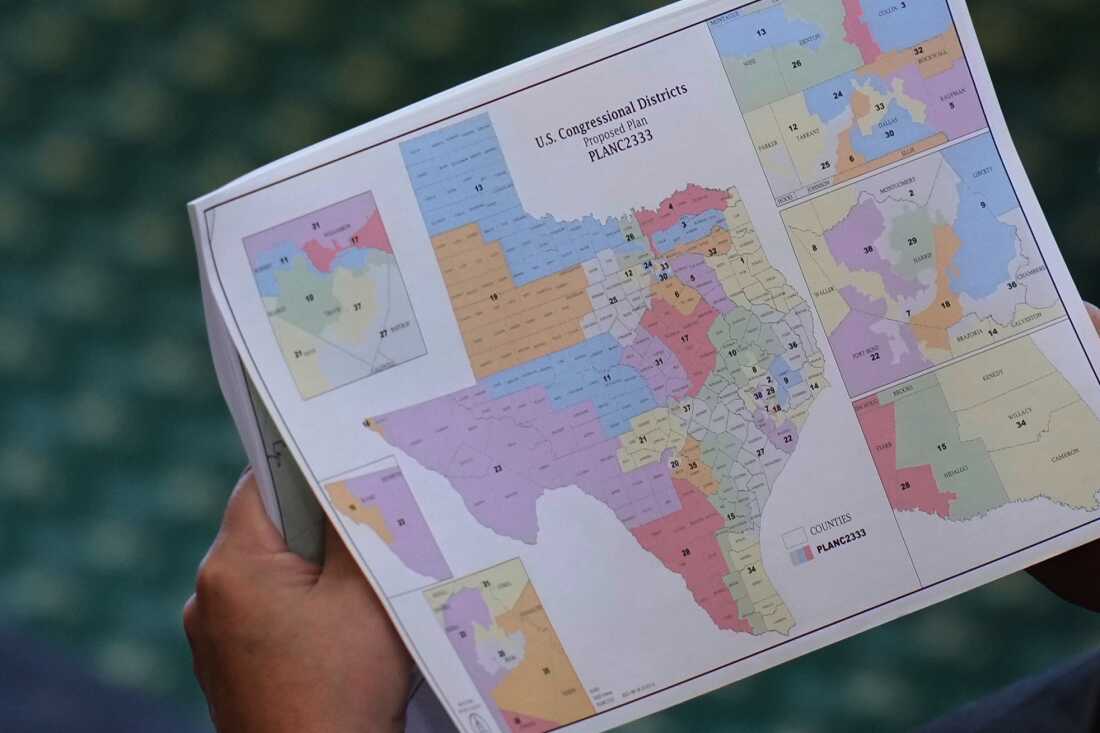

Washington, D.C. — March 2, 2026: The battle to reshape the congressional maps is intensifying across multiple states, as courts, legislatures, and advocacy groups contest district boundaries that could shape control of the U.S. House of Representatives in upcoming elections.
Following the 2020 Census and subsequent redistricting cycles, litigation over congressional maps has remained active in both federal and state courts. With narrow partisan margins in Congress, even small adjustments to district lines could significantly affect electoral outcomes.
Ongoing Redistricting Disputes
Several states continue to face legal challenges over congressional maps adopted by state legislatures or independent redistricting commissions. Plaintiffs in these cases typically argue violations of constitutional protections, voting rights statutes, or state-specific redistricting requirements.
In some states, courts have ordered revisions to maps after determining that certain districts diluted minority voting strength or were drawn with impermissible partisan intent. In others, legislatures have appealed lower court decisions, seeking to preserve enacted maps pending further review.
The U.S. Supreme Court has played a central role in defining the boundaries of federal court involvement in redistricting cases. In previous rulings, the Court held that claims of partisan gerrymandering present political questions beyond the reach of federal courts, while still permitting challenges based on racial discrimination or statutory violations under the Voting Rights Act.
States at the Center of the Fight
Redistricting litigation is currently active in several large and politically competitive states. New York, North Carolina, and Georgia have all seen court interventions related to congressional boundaries in recent cycles.
In some instances, state supreme courts have issued rulings requiring maps to be redrawn. In others, federal courts have reviewed compliance with federal voting protections.
State election officials emphasize that changes to district lines close to election deadlines can complicate ballot preparation and voter notification. Courts often consider these logistical concerns when determining whether to grant stays or emergency relief.
Impact on Congressional Control
With the U.S. House frequently divided by a small number of seats, redistricting outcomes can influence national legislative dynamics. Political analysts note that even a shift of two or three districts in competitive states could alter committee leadership, legislative priorities, and budget negotiations.
Advocacy organizations on both sides of the political spectrum continue to monitor map proposals and file legal challenges when they believe districts violate constitutional standards. Independent redistricting commissions in some states aim to reduce partisan influence, though their decisions are also subject to judicial review.
Legal Standards and Precedents
Courts evaluating redistricting challenges typically assess compliance with:
- The Equal Protection Clause of the Fourteenth Amendment
- Section 2 of the Voting Rights Act
- State constitutional provisions governing fair representation
The Supreme Court has previously clarified that while racial gerrymandering claims are justiciable, purely partisan gerrymandering claims are generally not reviewable in federal court. This distinction has shifted much of the litigation to state courts in jurisdictions where constitutions contain explicit fairness or anti-gerrymandering clauses.
What Voters Should Know
Voters may experience changes to their congressional districts as court rulings are implemented. State election offices regularly update district maps on official websites and notify voters of changes to precinct assignments.
Primary filing deadlines and general election ballot certifications can be affected by ongoing litigation. Election administrators stress the importance of verifying district information prior to casting ballots.
Looking Ahead
The battle to reshape the congressional maps is expected to continue through the 2026 election cycle and beyond. Further appeals to higher courts remain possible in several states.
As litigation unfolds, the outcome of these disputes will shape not only district lines but also the political balance in Congress. For now, courts and legislatures remain at the center of a legal and political contest with national implications.
Sources:
U.S. Supreme Court prior redistricting rulings
Federal and state court docket records
State Boards of Elections public notices
Voting Rights Act statutory framework
Tags: Redistricting, Congressional Maps, U.S. Supreme Court, Voting Rights Act, U.S. Elections
News by The Vagabond News