The Texas Senate Primary Offers a Test Case for Each Party
Editor: Sudhir Choudhary
Date: March 3, 2026

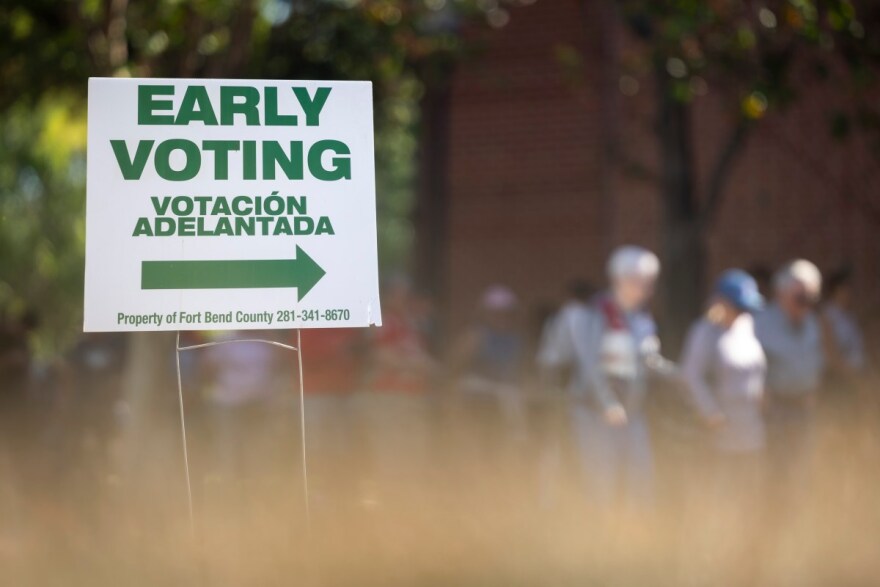
Austin, Texas — The upcoming Texas Senate primary is shaping into a high-stakes test for both major political parties, offering an early signal of voter sentiment ahead of the 2026 general election cycle. With control of the U.S. Senate closely divided, strategists from both parties are watching Texas as a barometer of ideological direction, turnout energy, and campaign messaging effectiveness in a politically evolving state.
Texas has long been a Republican stronghold in statewide contests. However, demographic changes, suburban realignment, and heightened national attention have transformed Senate races in the state into competitive battlegrounds, particularly in primaries where party identity and policy positioning are often most sharply defined.
A Republican Litmus Test on Party Direction
For Republicans, the primary is widely viewed as a referendum on the party’s alignment with President Donald Trump’s political agenda versus more traditional conservative governance. Incumbent and challenger candidates alike have emphasized border security, energy production, and federal regulatory resistance as core campaign themes.
Texas shares a long border with Mexico, making immigration enforcement a central issue. Republican candidates have repeatedly cited concerns over border crossings and federal policy disputes with Washington as motivating factors for voter turnout.
Political analysts say the outcome will reveal whether Republican primary voters prioritize ideological loyalty and national alignment or electability in a general election environment where suburban and independent voters play a growing role.
Democrats Test Messaging in a Changing State
For Democrats, the Texas Senate primary provides an opportunity to assess whether investment in voter registration and urban mobilization can translate into statewide competitiveness. Democratic candidates have focused on healthcare access, reproductive rights, gun safety legislation, and voting access reforms.
Urban centers such as Houston, Dallas, Austin, and San Antonio remain Democratic strongholds. However, statewide victories require stronger performance in suburban counties that have shown incremental shifts in recent election cycles.
Party strategists acknowledge that while Texas has trended Republican in statewide offices, narrowing margins in previous Senate races demonstrate that demographic shifts could gradually reshape electoral dynamics. The primary will indicate whether Democratic turnout enthusiasm can match national party expectations.
Turnout and Voter Behavior as Key Indicators
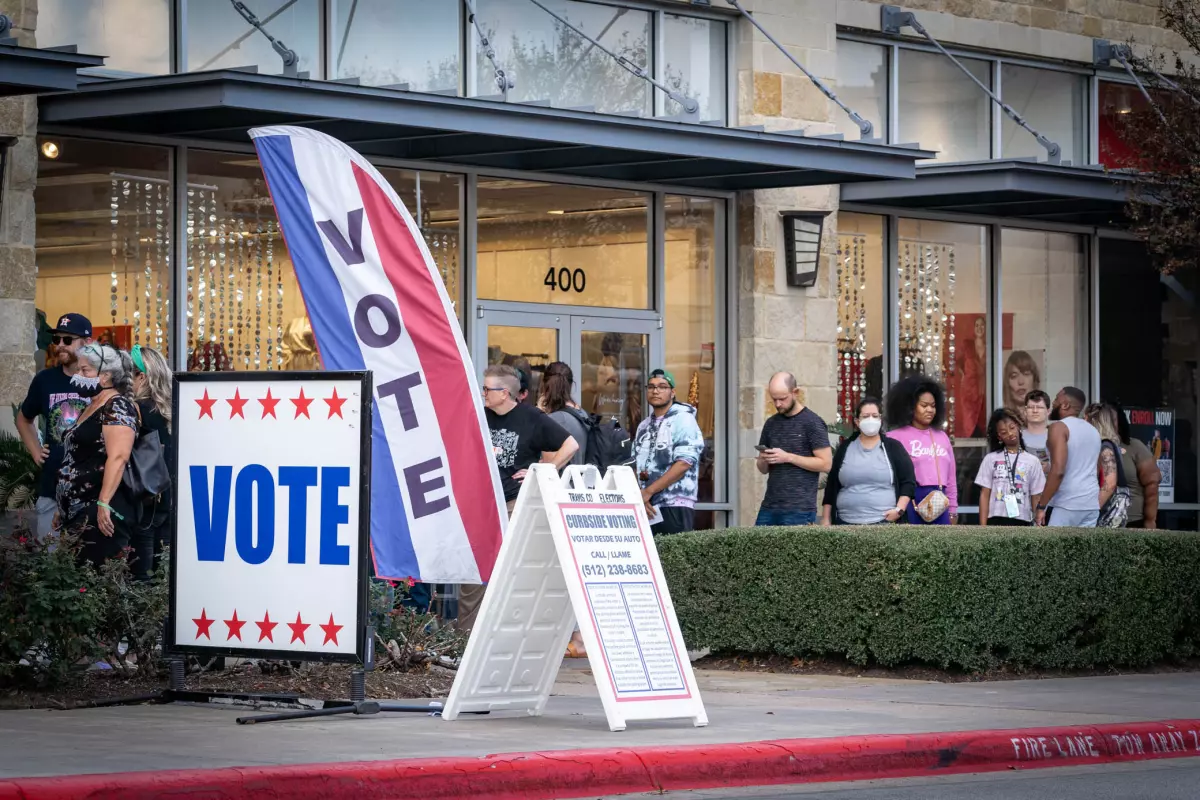

Beyond candidate selection, analysts emphasize turnout metrics as the most telling indicator. Primary elections often attract highly engaged voters, offering insight into grassroots enthusiasm and issue salience.
Texas operates under a unique open primary system, allowing voters to choose which party’s primary to participate in without formal party registration. As a result, crossover voting patterns and independent participation can influence outcomes and provide early clues about general election positioning.
Political observers also note that fundraising totals, advertising strategies, and digital mobilization efforts in this primary will serve as prototypes for national Senate campaigns in other competitive states.
Broader National Implications
Control of the U.S. Senate remains closely contested, making even traditionally red states strategically significant. Both parties view Texas as emblematic of broader national trends: cultural polarization, urban–rural divides, and shifting suburban allegiances.
Republicans aim to reinforce Texas’s status as a reliably conservative stronghold, while Democrats see it as a long-term investment opportunity with symbolic value. National party organizations have already allocated substantial resources for voter outreach and media campaigns in the state.
If turnout exceeds expectations, party leaders may interpret the results as an indicator of national energy heading into the fall election season.
Conclusion
The Texas Senate primary stands as more than an intraparty contest. It functions as a political stress test for campaign strategy, ideological cohesion, and voter mobilization on both sides of the aisle. As ballots are cast, party leaders nationwide will examine the results not only for who advances to the general election, but for what the numbers reveal about the evolving political landscape in one of America’s most closely watched states.
Sources:
Texas Secretary of State election calendar and primary guidelines
Campaign filings with the Federal Election Commission
Public statements from party committees in Texas
Election analysis from state political observers
Tags: Texas Senate Race, Primary Election, U.S. Politics, Voter Turnout, 2026 Elections
News by The Vagabond News