The Vagabond News
Editor: Sudhir Choudhary
São Paulo / Buenos Aires — 20 November 2025

A significant milestone has been reached in Latin America’s digital-finance landscape, as the stablecoin Tether (USDT) is now being directly linked to major regional payment rails: Brazil’s PIX and Argentina’s Mercado Pago. The move is expected to accelerate digital transaction volumes, deepen financial inclusion and shift how cross-border and local payments are conducted.
What’s New
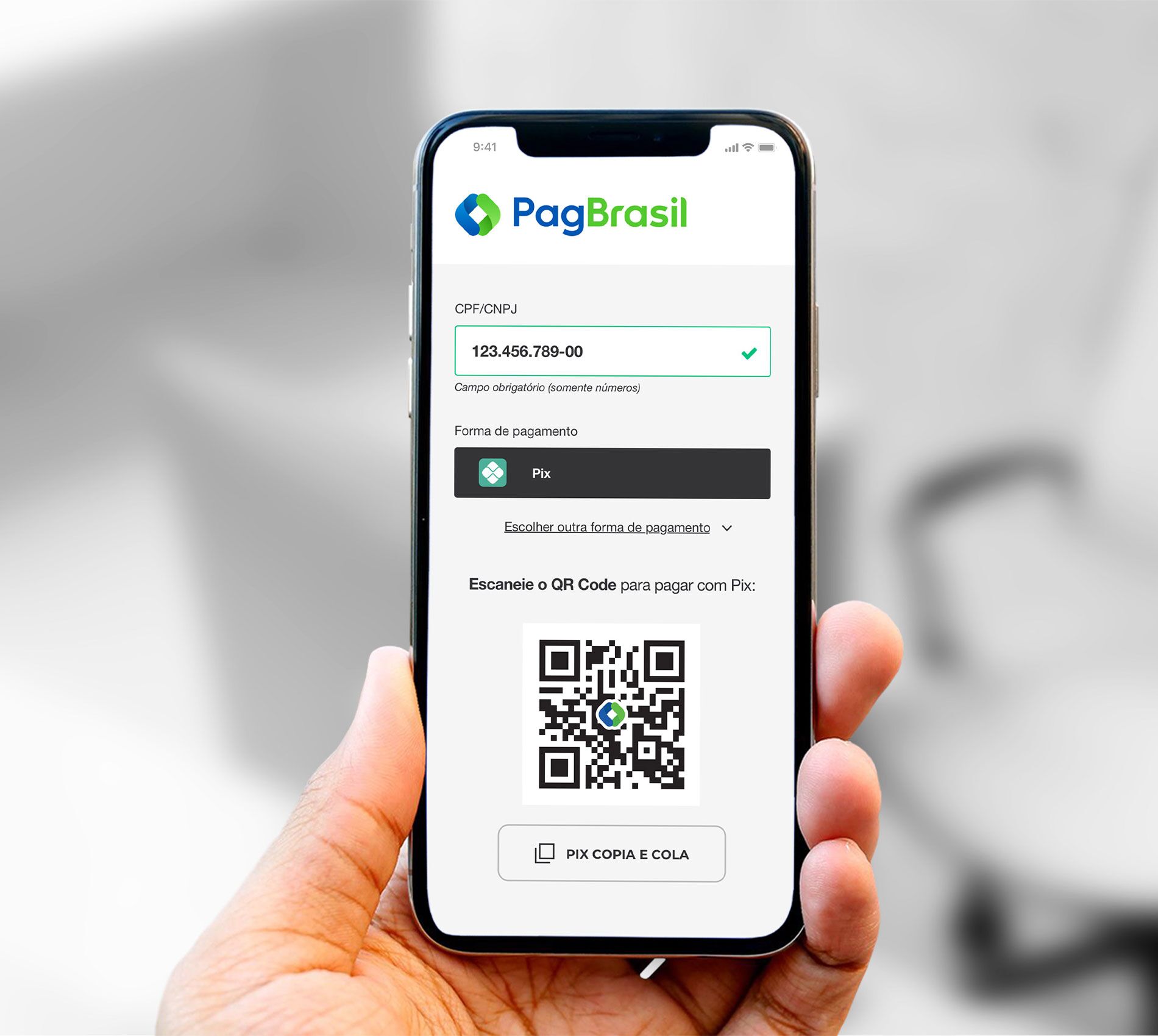
A crypto-wallet platform called MiniPay—built on the Celo blockchain and operated by the browser firm Opera Limited—announced the rollout of a “Pay like a local” feature. Users holding USDT can now initiate transfers that end directly in local currency via PIX in Brazil, or into a Mercado Pago-linked account in Argentina. (PR Newswire)
Through the integration:
- Users top up a USDT wallet, select the amount in USD terms, and MiniPay handles conversion to Brazilian real or Argentine peso. (Barchart.com)
- The funds are routed directly into a PIX-enabled account (Brazil) or a Mercado Pago account (Argentina) without the need for a bank card or traditional banking infrastructure. (Futu News)
- The system is being rolled out across multiple Latin American countries, with on- and off-ramps in Brazil, Argentina, Colombia, Bolivia, Paraguay and Peru. (PR Newswire)
Why This Matters
1. Unlocking spending power for digital dollars
USDT was traditionally used as a tradeable asset within crypto exchanges. The new integration means it can now be spent like local currency within Latin America’s mainstream payment ecosystem — a transformation from speculation to utility. By connecting global stablecoins to everyday payment rails, users gain a bridge from dollar-denominated digital assets to local consumption.
2. Enhancing financial inclusion and bypassing volatile local currencies
In economies where currency volatility and inflation are persistent issues, stablecoins offer a more stable store of value. Latin American financial infrastructure has increasingly adopted digital wallets, and now these wallets are being linked to stablecoins. That means consumers and small merchants can transact using USDT value but settle locally, thereby reducing exposure to exchange-rate risk. (Medium)
3. Cross-border efficiency and remittance potential
With on- and off-ramp partners in several Latin American countries, the system offers a lower-cost alternative for cross-border transfers. Instead of traditional remittance channels—often expensive or slow—users can move value via USDT wallets, convert to local currency, and pay via PIX or Mercado Pago.
Broader Implications and Challenges
Regulatory and stability concerns
While the integration is technically innovative, it raises questions about regulatory oversight, financial-system risk and currency sovereignty. Stablecoins operating in local economies may bypass some banking safeguards and complicate monitoring of flows.
Adoption and merchant readiness
For the model to scale, merchants and service providers must accept QR-based and stablecoin-connected payments. Although PIX already has high penetration in Brazil (over 76 % of the population according to one source) and Mercado Pago has extensive reach in Argentina (more than 72 million users) (Barchart.com) , user behaviour and merchant readiness remain critical.
Exchange-rate and conversion transparency
Users must trust that the conversion from USDT to local currency is fair, transparent and happens in real time. The announcement emphasises “transparent pricing” and elimination of opaque fees. (PR Newswire)
Looking Ahead
Latin America may emerge as a global test-bed for stablecoin-driven payment integration. The combination of public-rail infrastructure (like PIX), popular digital wallets (like Mercado Pago) and dollar-pegged digital assets (like USDT) could reshape how everyday payments and remittances work in emerging markets.
For users in Bangkok and elsewhere considering cross-border payments or travel to Latin America, the system hints at a future where digital-asset balances can seamlessly convert into local spending power — albeit subject to local regulatory and infrastructural conditions.
The Vagabond News
Editor: Sudhir Choudhary