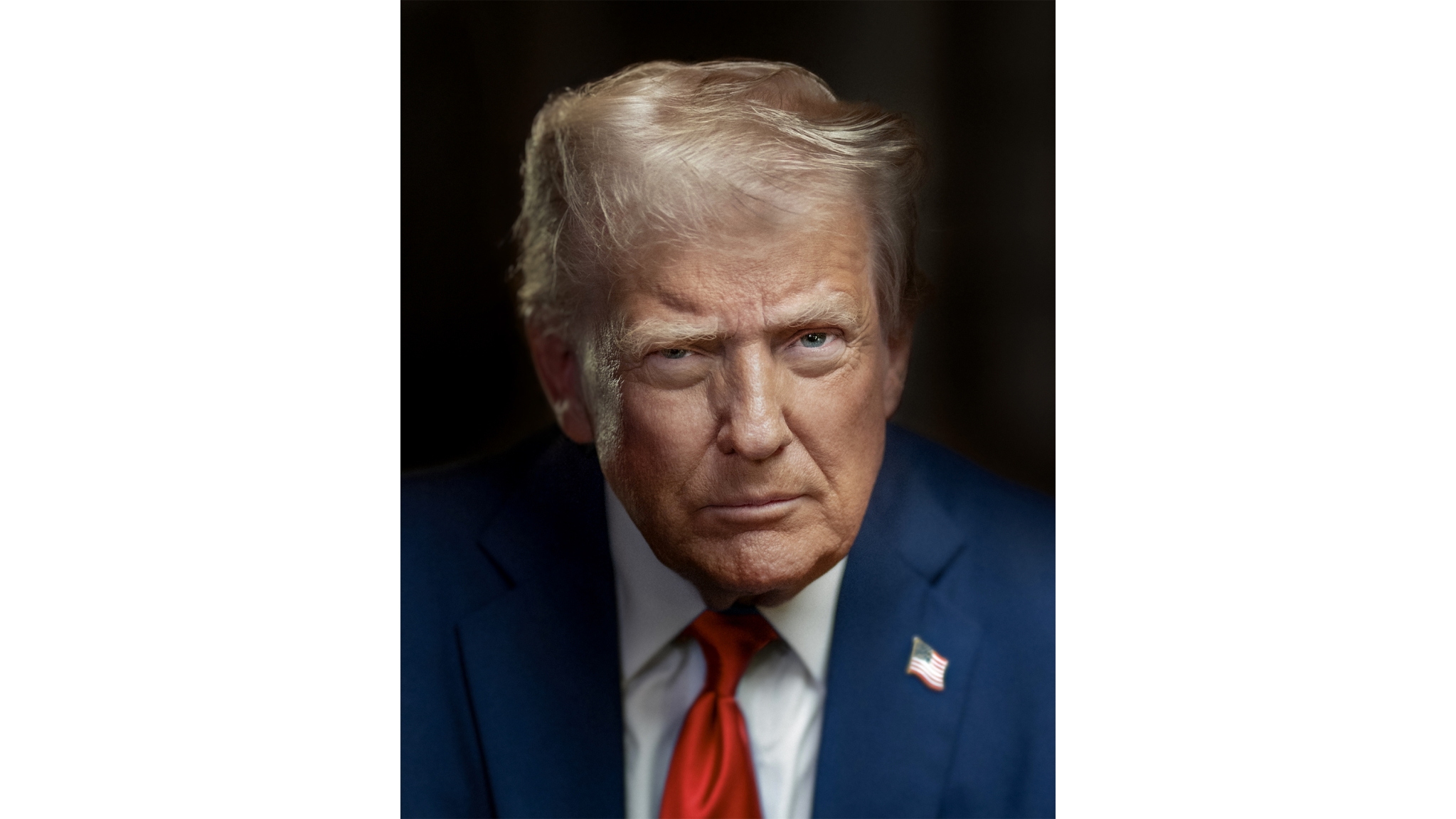
Refugees Without Green Cards Could Be Arrested Under New Trump Policy
By Sudhir Choudhary
February 20, 2026

CBS News
The Guardian
WASHINGTON, D.C. — February 19, 2026: A new policy directive from the U.S. Department of Homeland Security (DHS) could lead to the arrest and detention of refugees living lawfully in the United States who have not yet obtained permanent residency, according to government memos filed in federal court and confirmed reporting from major news organizations.
Under the directive, issued in a memo dated February 18, 2026 by acting U.S. Immigration and Customs Enforcement (ICE) Director Todd M. Lyons and U.S. Citizenship and Immigration Services (USCIS) Director Joseph Edlow, refugees who entered the United States legally but have not applied for or received green cards within one year of admission “must return to government custody for inspection and examination.”
Lawyers and advocacy groups say the memo directs immigration officers to locate, arrest, and detain refugees if they do not voluntarily present themselves for mandatory review, a departure from longstanding federal practice.
New Interpretation of Immigration Law
The memo cites Section 207 of the Immigration and Nationality Act, which states that refugees who have not adjusted to Lawful Permanent Resident (green card) status one year after admission “are subject to return to DHS custody.” DHS officials argue this language compels detention and additional vetting, including assessments for fraud, public safety, and national security risks.
The directive rescinds a 2010 federal policy guidance that had clarified that failing to apply within a year was not a sole legal basis for detention. Under previous practice, refugees who missed the one-year mark were sent notices or urged to comply, rather than being subject to enforcement action.
Officials from USCIS told CBS News that the administration is “implementing law as written by Congress,” and that the inspections are meant to ensure integrity and security. DHS has asserted that enforcement actions would be guided by legal discretion and “inspection” requirements rather than automatic arrests.
Impact on Refugees and Legal Challenges
Nearly 200,000 refugees were admitted to the United States during the previous administration, according to federal data, and advocates estimate about 100,000 refugees have not yet obtained green cards and could be subject to the new policy.
The policy has already resulted in Operation PARRIS — short for Post-Admission Refugee Reverification and Integrity Strengthening — launched last year in Minnesota, where ICE agents reportedly arrested hundreds of refugees for further questioning and transported some to detention centers in Texas. Many were subsequently released, but civil liberties groups criticized the effort as indiscriminate and without individualized legal cause.
A federal judge in Minnesota, U.S. District Judge John Tunheim, has temporarily blocked portions of the policy in that state, ruling that the government has not demonstrated that mandatory detention of refugees who have not yet received green cards is lawful. He is scheduled to issue a written decision on whether to extend the injunction before it expires on February 25, 2026.
Attorneys representing refugee plaintiffs have petitioned the court to declare the DHS directive unlawful nationwide, arguing that refugees already undergo rigorous vetting overseas and that forcing detention after resettlement contradicts both law and humanitarian norms.
Advocates Condemn Policy Shift
Refugee resettlement organizations have denounced the directive, calling it an unprecedented reversal of decades of U.S. refugee policy and a breach of trust with communities who were promised safety and lawful resettlement. Beth Oppenheim, CEO of HIAS, said the move could terrorize refugees and undermine the nation’s historic commitment to protecting persecuted people.
Legal experts also warn that the new interpretation could create confusion and fear among refugees who entered legally and have established lives, jobs, and families in the United States.
Broader Immigration Context
The policy comes amid a series of immigration enforcement measures by the Trump administration, which has sharply limited refugee admissions and suspended processing for many refugees seeking permanent residency. Administrators have justified the actions on grounds of national security, fraud prevention, and immigration system integrity.
However, opponents argue that refugees undergo one of the most extensive vetting processes of any admission category and that the new directive risks penalizing people who have followed U.S. law.
Sources
-
The Washington Post reporting by Arelis R. Hernández and Teo Armus (Feb. 19, 2026)
-
CBS News coverage by Camilo Montoya-Galvez (Feb. 19, 2026)
-
Associated Press articles via The Washington Post (Feb. 19, 2026)
-
The Guardian coverage by Richard Luscombe (Feb. 19, 2026)
Tags
Trump Administration | Refugee Policy | DHS | ICE | Green Cards | U.S. Immigration Law
News by The Vagabond News