Editor: Sudhir Choudhary
Date: March 9, 2026

National Park Service Issues Safety Warning
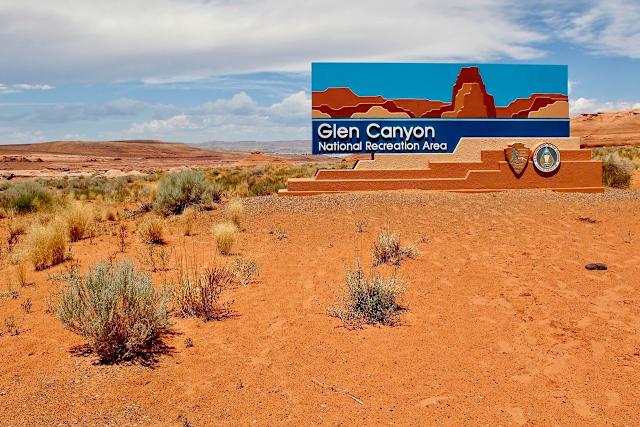
The U.S. National Park Service (NPS) has issued a public safety warning about the presence of quicksand-like conditions in parts of the Glen Canyon National Recreation Area, a vast protected landscape spanning northern Arizona and southern Utah.
Park officials said the hazard has been identified along certain shoreline areas of Lake Powell, where falling water levels and shifting sediment have created unstable sand and mud surfaces that can trap people or vehicles.
The warning was issued in early March 2026 after park rangers reported several recent incidents in which visitors became stuck in soft sediment while walking or driving near the water’s edge.
Glen Canyon National Recreation Area covers more than 1.25 million acres and attracts millions of visitors each year for boating, camping, hiking, and fishing. Authorities say the quicksand risk is limited to specific shoreline zones but can still pose a serious safety concern.
How Quicksand Conditions Form at Lake Powell
According to the National Park Service, the conditions resemble quicksand but are technically water-saturated sediment layers formed by sand and fine silt mixed with lake water.
As Lake Powell’s water levels fluctuate, previously submerged areas of sediment become exposed. When visitors step or drive onto these surfaces, the sand can behave like a liquid, causing a person or vehicle to sink partially into the ground.
Park officials say the problem has become more noticeable in recent years due to changes in lake levels, which expose large areas of soft shoreline sediments.
Experts explain that these sediment deposits often appear solid on the surface but may collapse when pressure is applied.
Recent Incidents Prompt Warning
Park rangers confirmed that several visitors have recently reported becoming trapped in muddy shoreline areas around Lake Powell. In most cases, people were able to free themselves or were assisted by nearby visitors or rangers.
Authorities said there have been no confirmed fatalities linked to the recent quicksand conditions, but officials issued the warning to prevent injuries and ensure visitors understand the risk.
Visitors attempting to walk close to the water’s edge, launch boats, or drive off-road vehicles onto exposed lakebeds may encounter these unstable surfaces.
Safety Advice for Visitors
The National Park Service has issued several guidelines for visitors traveling to Glen Canyon National Recreation Area:
- Avoid walking on wet or dark-colored sand near the waterline
- Stay on established trails and stable ground
- Keep vehicles away from exposed lakebed areas
- If the ground feels unstable or begins to sink, move slowly toward firmer terrain
Officials also advise visitors to avoid sudden movements if they begin to sink into soft sand. Gradual movement and shifting weight carefully can help reduce the risk of sinking deeper.
Park rangers recommend that visitors explore the area with companions and carry communication devices in case assistance is needed.
Importance of Glen Canyon Recreation Area
The Glen Canyon National Recreation Area, managed by the National Park Service since 1972, is one of the most popular outdoor recreation destinations in the American Southwest.
The park includes Lake Powell, the second-largest reservoir in the United States by capacity, along with extensive desert landscapes, sandstone cliffs, and hundreds of miles of shoreline.
Tourism and recreation in the area contribute significantly to local economies in nearby communities such as Page, Arizona, and surrounding regions in Utah.
Despite the natural hazards that can occasionally arise, park officials emphasize that the vast majority of the recreation area remains safe for visitors who follow established safety guidance.
Monitoring and Public Awareness
The National Park Service said rangers will continue monitoring shoreline conditions and posting warning signs in areas where unstable sediment has been identified.
Officials also encourage visitors to check park updates before traveling, particularly during seasons when lake levels change or after storms that may alter shoreline conditions.
By staying informed and following safety recommendations, visitors can continue enjoying the natural beauty of Glen Canyon National Recreation Area while avoiding potentially dangerous terrain.
Sources:
U.S. National Park Service public safety notices; Glen Canyon National Recreation Area visitor advisories; environmental information on Lake Powell shoreline conditions.
Tags: Glen Canyon National Recreation Area, Lake Powell safety warning, quicksand hazard, National Park Service alert, Arizona Utah recreation
News by The Vagabond News.