Minnesota Offers Plan to Fight Fraud as Trump Moves to Freeze Funds
📅 February 27, 2026
✍️ Editor: Sudhir Choudhary, The Vagabond News

Minnesota Responds as Federal Funding Freeze Looms
The state of Minnesota has introduced a new anti-fraud initiative following a move by President Donald Trump’s administration to freeze certain federal funds pending additional oversight measures. State officials say the proposal is designed to strengthen financial accountability while preserving critical public services.
The dispute centers on federal allocations tied to social service and public assistance programs. The Trump administration has argued that temporary funding restrictions are necessary to address alleged misuse of federal dollars. In response, Minnesota officials have presented a comprehensive fraud prevention plan aimed at reassuring federal authorities and protecting ongoing program operations.
Details of Minnesota’s Anti-Fraud Plan
Minnesota’s proposal includes expanded auditing authority, enhanced inter-agency data sharing, and the creation of a centralized fraud investigation task force. According to statements released by the governor’s office, the plan would allocate additional resources to the state’s Office of the Legislative Auditor and strengthen cooperation with federal inspectors general.
Governor Tim Walz stated during a press conference at the State Capitol that Minnesota “welcomes accountability” and intends to work collaboratively with federal agencies. He emphasized that while fraud prevention is a shared priority, sudden funding interruptions could disrupt essential services for residents.
State officials have not disclosed the exact dollar amount potentially affected by the freeze, noting that discussions with federal counterparts are ongoing. However, budget analysts indicate that federal contributions account for a substantial share of Minnesota’s funding for healthcare assistance, nutrition programs, and education support initiatives.
Federal Position on the Freeze
The U.S. Treasury Department has confirmed that it is reviewing compliance mechanisms associated with several state-administered programs. Officials within the United States Department of the Treasury have not publicly detailed specific allegations but said enhanced oversight is part of a broader national effort to ensure fiscal responsibility.
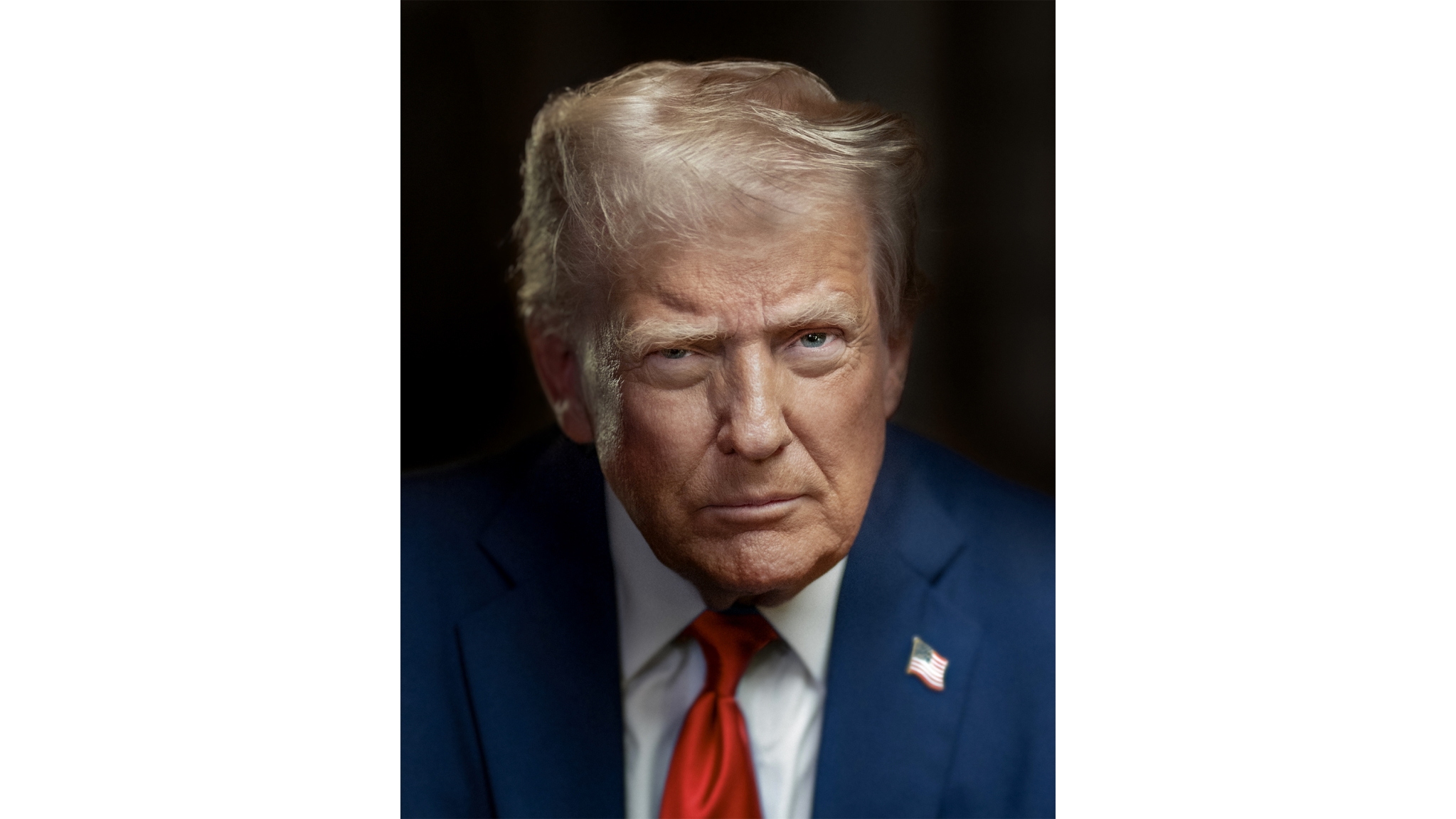
President Donald Trump, speaking at the White House earlier this week, reiterated his administration’s commitment to combating waste and fraud in government spending. He stated that federal agencies “must ensure taxpayer money is protected” and indicated that similar reviews may extend to other states.
There has been no formal announcement specifying the duration of the freeze or the criteria required for funds to be restored. Federal officials have described the review as procedural and consistent with oversight authority granted under existing statutes.
Political and Fiscal Implications
The funding dispute has sparked debate among lawmakers in both Washington and St. Paul. Minnesota’s congressional delegation is reportedly seeking clarification from federal agencies regarding compliance benchmarks and the potential impact on constituents.
Supporters of the administration’s decision argue that temporary funding pauses are a legitimate oversight tool designed to protect federal resources. Critics contend that abrupt freezes may create uncertainty for states administering complex assistance programs.
Independent public finance experts note that states routinely implement anti-fraud systems, though enforcement mechanisms vary by jurisdiction. Minnesota’s newly announced framework appears to expand existing controls rather than replace them. Analysts say the effectiveness of the proposal will depend on implementation details, including staffing levels, audit frequency, and coordination with federal partners.
Broader Context of Federal-State Oversight
Disputes over funding compliance are not unprecedented. Federal grants typically require states to meet reporting standards and performance benchmarks. When concerns arise, federal agencies may initiate reviews or impose corrective action plans.
In this case, neither Minnesota officials nor federal representatives have publicly released documentation outlining specific cases of alleged fraud tied to the programs under review. As a result, the scope of the federal concerns remains partially undisclosed.
Minnesota’s proposal includes quarterly public reporting on fraud investigations and outcomes, as well as expanded whistleblower protections. State leaders say these measures are intended to enhance transparency and restore confidence at both the state and federal levels.
Outlook and Next Steps
Negotiations between Minnesota officials and federal authorities are ongoing. The state has indicated its readiness to implement portions of the anti-fraud plan immediately while awaiting federal feedback. Legislative leaders in Minnesota are expected to review funding adjustments during the upcoming budget session.
President Donald Trump has not indicated whether Minnesota’s proposal will satisfy federal oversight requirements. Until a formal determination is issued, uncertainty remains regarding the timeline for the release of frozen funds.
As discussions continue, the episode underscores the balance between fiscal accountability and program continuity. Minnesota’s approach reflects an effort to demonstrate compliance while maintaining services relied upon by thousands of residents.
Sources:
-
Office of the Governor of Minnesota press statements
-
U.S. Department of the Treasury public communications
-
White House remarks by President Donald Trump
-
Minnesota State Budget Office releases
Tags: Minnesota, President Donald Trump, Federal Funding, Fraud Prevention, U.S. Treasury, Tim Walz
News by The Vagabond News