


📅 25 February 2026
✍️ Editor: Sudhir Choudhary, The Vagabond News

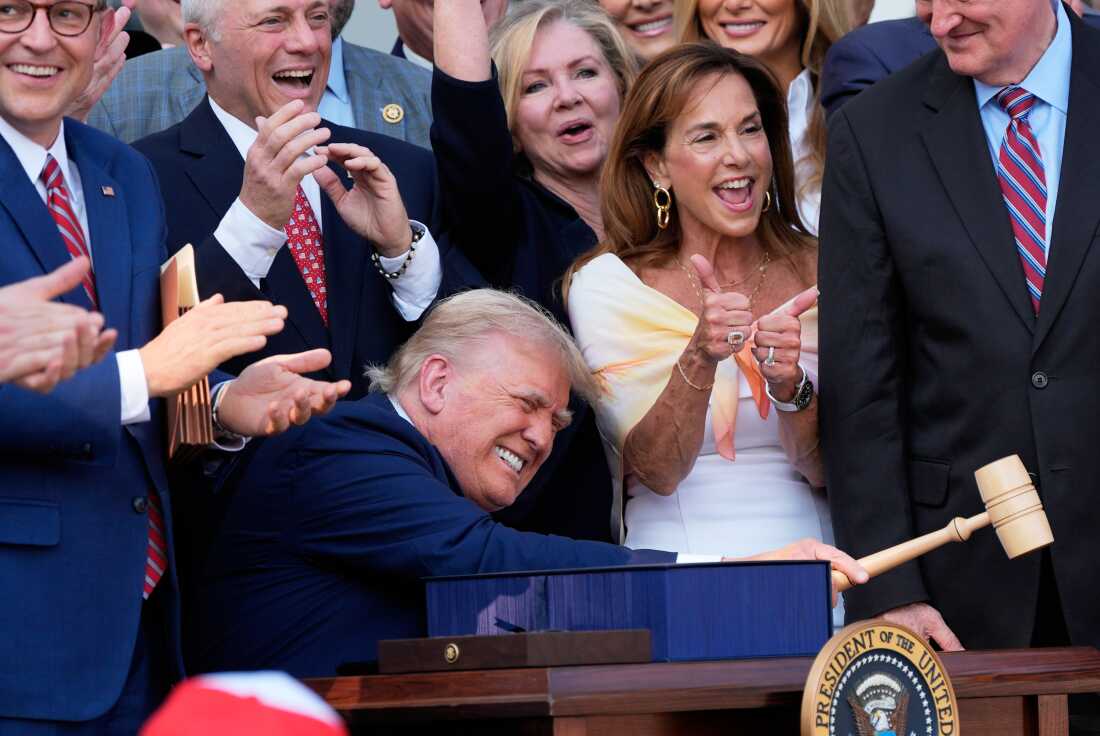
President Credits Republican Majority for Tax Legislation
WASHINGTON — President Donald Trump said Tuesday that congressional Republicans had “delivered so beautifully” after he urged lawmakers last year to pass what he described as the largest tax cuts in American history.
“Last year, I urged this Congress to begin the mission by passing the largest tax cuts in American history, and the Republican majority delivered so beautifully!” President Donald Trump said in remarks ahead of his State of the Union address.
The White House has pointed to recently enacted tax legislation as a central pillar of the administration’s economic agenda, framing the measure as a driver of business investment, wage growth, and job creation.
Details of the Tax Measure
The tax legislation, passed by the Republican-controlled United States House of Representatives and United States Senate, includes reductions in individual income tax rates, expanded business deductions, and adjustments to corporate tax provisions, according to congressional summaries.
Republican lawmakers argued that the cuts would stimulate economic activity by lowering the tax burden on households and companies. The legislation moved through budget reconciliation procedures, allowing passage with a simple majority in the Senate.
Democratic members opposed the bill, citing concerns over projected increases in federal deficits and the distribution of benefits across income groups.
Economic Context
The administration has linked the tax changes to recent private-sector job growth and business investment announcements. According to data from the U.S. Bureau of Labor Statistics, employment levels have shown gains in construction, manufacturing, and service industries in recent months.
Economic analysts note that the full impact of tax policy adjustments typically unfolds over multiple fiscal quarters. The Congressional Budget Office has projected that tax reductions could affect federal revenue and budget deficits depending on growth outcomes and spending levels.
Supporters of the legislation argue that dynamic economic expansion will offset revenue losses. Critics maintain that long-term fiscal effects remain uncertain.
Political Implications
President Donald Trump’s praise for the Republican majority underscores the partisan divide surrounding fiscal policy. The tax cuts are expected to feature prominently in campaign messaging ahead of the 2026 midterm elections.
Lawmakers from both parties are preparing for additional debates over federal spending, debt levels, and potential follow-up tax adjustments later this year.
Conclusion
President Donald Trump’s remarks crediting Congress for passing what he calls the largest tax cuts in American history reflect the administration’s emphasis on fiscal reform as a cornerstone of its economic strategy. While supporters point to early indicators of business activity and job growth, budget analysts say the long-term fiscal and economic impacts will be assessed through upcoming federal revenue and employment reports.
Sources
- Public remarks by President Donald Trump, 25 February 2026
- Legislative summaries from the United States House of Representatives and United States Senate
- Congressional Budget Office fiscal projections
- U.S. Bureau of Labor Statistics employment data
Tags: President Donald Trump, tax cuts, Congress, U.S. economy, federal budget
News by The Vagabond News


