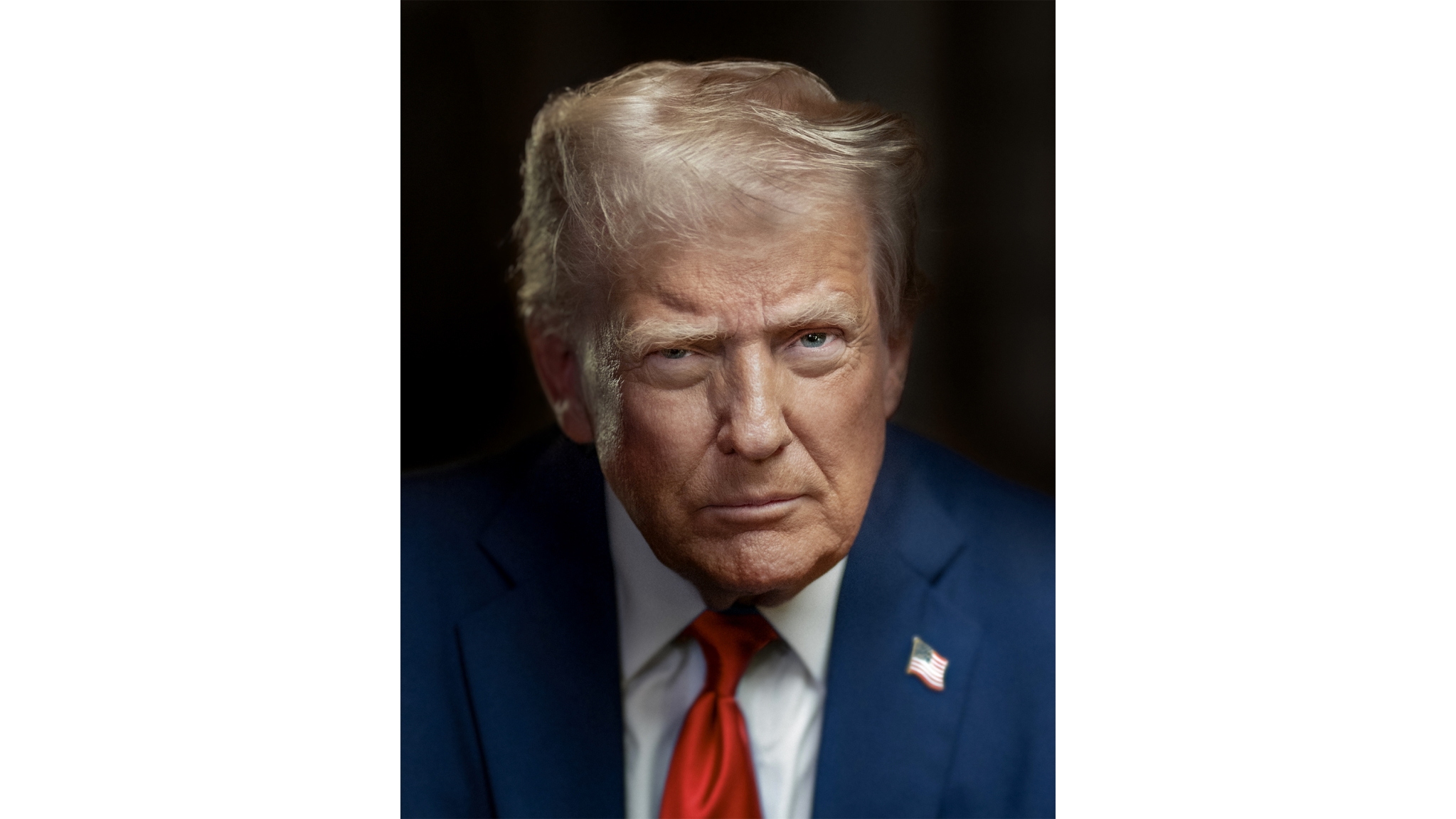
Judge Finds Trump Administration’s Third-Country Deportations Unlawful
📅 February 26, 2026
✍️ Editor: Sudhir Choudhary, The Vagabond News

A federal judge has ruled that aspects of the Trump administration’s third-country deportation policy are unlawful, concluding that the government failed to comply with statutory and procedural protections required under U.S. immigration law.
The decision marks a significant legal setback for the administration of President Donald Trump, which has defended the policy as a lawful tool to expedite removals of certain noncitizens who cannot be returned to their countries of origin.
The ruling was issued by a U.S. District Court judge following legal challenges brought by immigrant advocacy organizations and affected individuals. The plaintiffs argued that the administration’s practice of deporting migrants to countries other than their homeland without adequate notice or opportunity to contest removal violated federal law and constitutional due process protections.
Court’s Findings
In the written opinion, the court determined that the government did not provide sufficient procedural safeguards before transferring individuals to third countries. The judge held that migrants must be afforded meaningful notice and an opportunity to seek protection if they fear persecution or harm in the designated destination country.
Under U.S. immigration statutes and international treaty obligations, including protections derived from the Refugee Act and related asylum frameworks, individuals cannot be removed to a country where they are likely to face persecution or torture. The court found that the administration’s procedures did not consistently ensure compliance with those protections.
The ruling does not permanently bar all third-country removals. Instead, it requires the administration to implement revised procedures consistent with statutory and constitutional standards before carrying out such deportations.
Administration’s Position
Administration officials have maintained that third-country deportations are authorized under existing immigration law, particularly in cases where repatriation to a migrant’s country of origin is not feasible. They argue that agreements with certain partner nations allow for lawful transfer under negotiated terms.
The Department of Homeland Security has not yet announced whether it will appeal the decision. In prior litigation involving immigration enforcement policies, the administration has frequently sought appellate review.
President Donald Trump has consistently emphasized stricter immigration enforcement as a central policy priority, arguing that expedited removals enhance border security and reduce strain on detention facilities.
Legal Framework and Broader Implications
Immigration law permits removal to third countries under specific conditions, but such transfers must align with statutory protections, including safeguards against refoulement — the return of individuals to countries where they may face harm.
Legal scholars note that courts have historically required the executive branch to adhere strictly to procedural requirements in removal proceedings. Judicial review serves as a check on administrative discretion in immigration enforcement.
The ruling could affect pending removal cases involving migrants slated for transfer to third countries. Immigration courts and enforcement agencies may need to adjust procedures to comply with the court’s directives.
Next Steps
It remains unclear how many deportations were carried out under the contested procedures. The Department of Justice is expected to review the ruling before determining its next legal steps.
If appealed, the case could proceed to a federal circuit court and potentially reach the U.S. Supreme Court, depending on the scope of the issues raised.
For now, the court’s order requires federal authorities to halt removals conducted under the challenged framework unless revised processes are implemented. The decision underscores ongoing judicial scrutiny of immigration enforcement policies and reinforces the role of federal courts in interpreting statutory and constitutional limits on executive action.
Further developments are anticipated as the administration responds to the ruling.
Sources:
U.S. District Court opinion; Federal immigration statutes; Statements from the Department of Homeland Security; Public filings by immigrant advocacy organizations.
Tags: President Donald Trump, Immigration Policy, Federal Court Ruling, Deportation Law, Due Process
News by The Vagabond News