

‘I Was Hit in the Face by Pellets’: Iranians on Border Describe Violence and More Protests
📅 January 18, 2026
✍️ Editor: Sudhir Choudhary, The Vagabond News

Residents along Iran’s border regions have described scenes of violence, fear, and renewed demonstrations, as protests spread beyond major cities into peripheral provinces already burdened by heavy security presence. Several Iranians interviewed near border towns said they were injured by pellet guns and crowd-control munitions during confrontations with security forces, even as authorities insist they are restoring order.
“I was hit in the face by pellets,” said one young protester receiving treatment for eye and cheek injuries near the western frontier. “We were shouting slogans. Then they fired.”
Border Regions Drawn Into Nationwide Unrest
The latest accounts come from areas near Iran’s borders with Iraq and Turkey, including predominantly Kurdish regions that have long experienced heightened security scrutiny. Residents say protests intensified after news spread of fatalities elsewhere in the country, fueling anger over economic hardship, political repression, and the government’s handling of dissent.
While demonstrations initially centered on urban hubs, witnesses say smaller towns have now become flashpoints, with security forces responding quickly and forcefully to gatherings.
“These places are usually quieter,” said a shopkeeper near the border. “But now everyone is angry. Even people who never protested before are coming out.”
Use of Force Allegations
Multiple protesters described being struck by pellets, tear gas canisters, or baton charges as security forces attempted to disperse crowds. Pellet guns, often described by authorities as “less-lethal,” have previously caused serious injuries during unrest.
Hospitals and clinics in border areas are reportedly treating a steady flow of wounded protesters. Medical workers, speaking anonymously, said some injuries appeared severe, including facial wounds and eye damage.
Iranian authorities have not publicly detailed what crowd-control methods are being used in these regions, but officials maintain that security forces act within the law and respond only to what they describe as violent unrest.
Government Narrative and Security Clampdown
The government has framed the protests as foreign-instigated riots, with senior officials—including Ayatollah Ali Khamenei—blaming the United States and its allies for encouraging instability. State media has repeatedly accused “armed elements” and “separatist groups” of exploiting legitimate grievances.
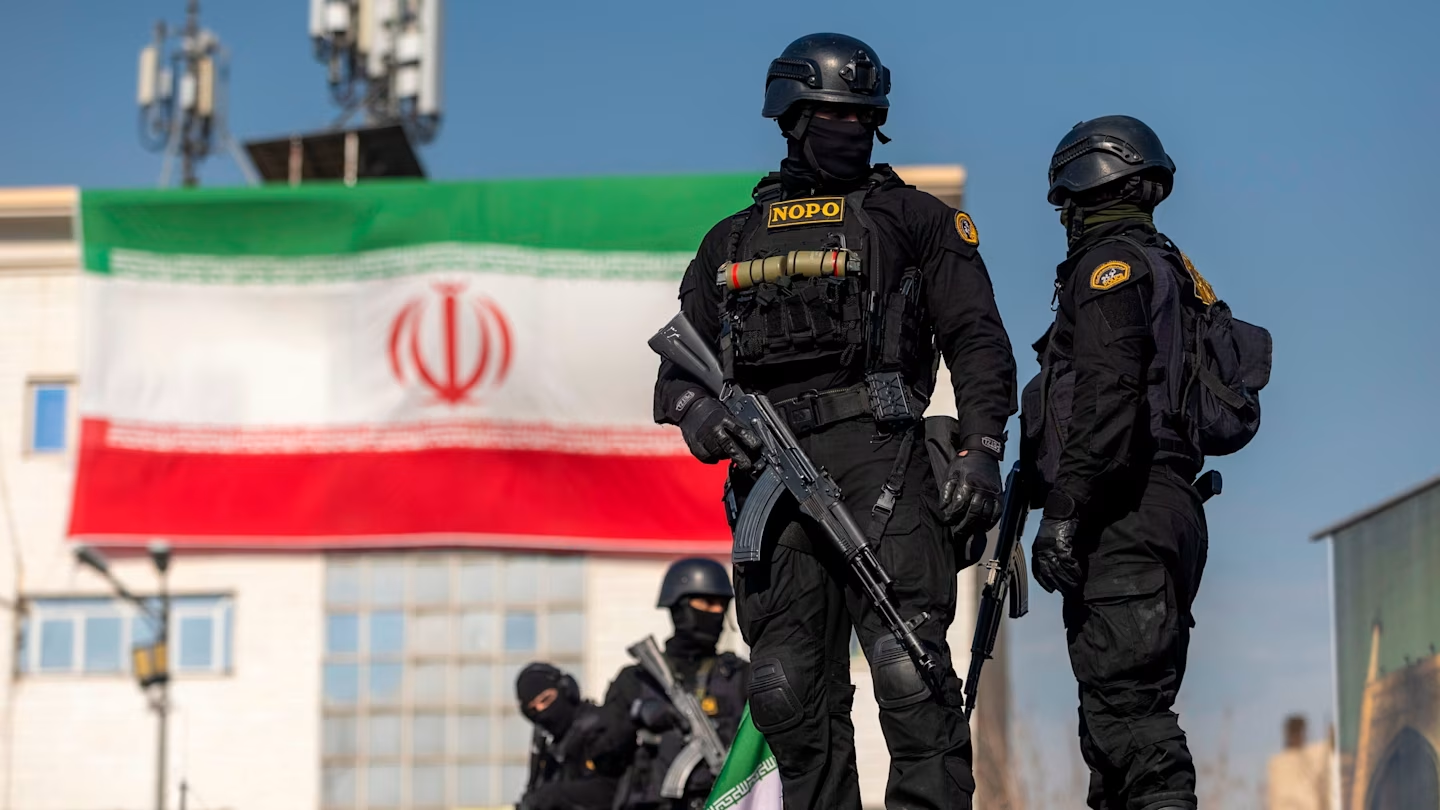
Security checkpoints have been reinforced across border provinces, with reports of road closures, mobile signal disruptions, and increased patrols. Residents say internet access remains unreliable, complicating communication and documentation of events.
Protesters Defiant Despite Risks
Despite the risks, protesters interviewed said demonstrations are likely to continue. Many described a sense of desperation rather than organized political mobilization.
“We have nothing left to lose,” said a factory worker who claimed he was detained briefly before being released. “If we stay silent, nothing changes.”
Human rights advocates say border regions are particularly vulnerable during unrest, as security forces often treat them as security threats rather than civilian populations.
Limited Independent Verification
Independent verification of casualty figures and arrests remains difficult. Foreign journalists face severe restrictions, and domestic media coverage is tightly controlled. Rights groups operating outside Iran have reported dozens of deaths nationwide, though Iranian authorities dispute those figures.
Officials have not released comprehensive data on injuries or detentions in border areas, saying investigations are ongoing.
Broader Implications
Analysts note that the spread of protests to Iran’s borderlands raises the stakes for the government, which has historically sought to prevent unrest in regions with ethnic minorities. Any prolonged instability there could strain security resources and deepen mistrust between local communities and the state.
At the same time, protesters say repression is only hardening resolve.
“They can fire pellets, they can arrest us,” said the injured protester. “But people are no longer afraid like before.”
Conclusion
Accounts from Iran’s border regions paint a picture of escalating violence and widening dissent, as protesters describe being injured by pellets and other crowd-control weapons. While authorities insist they are restoring stability, residents say the unrest is far from over—and that the anger driving it has reached even the country’s most tightly controlled frontiers.
Source: Witness accounts and regional human rights briefings
Tags: Iran protests, border violence, pellet guns, Ayatollah Ali Khamenei, human rights
News by The Vagabond News




Leave a Reply