📅 25 February 2026
✍️ Editor: Sudhir Choudhary, The Vagabond News

President Proposes Expanded Role for Tariffs
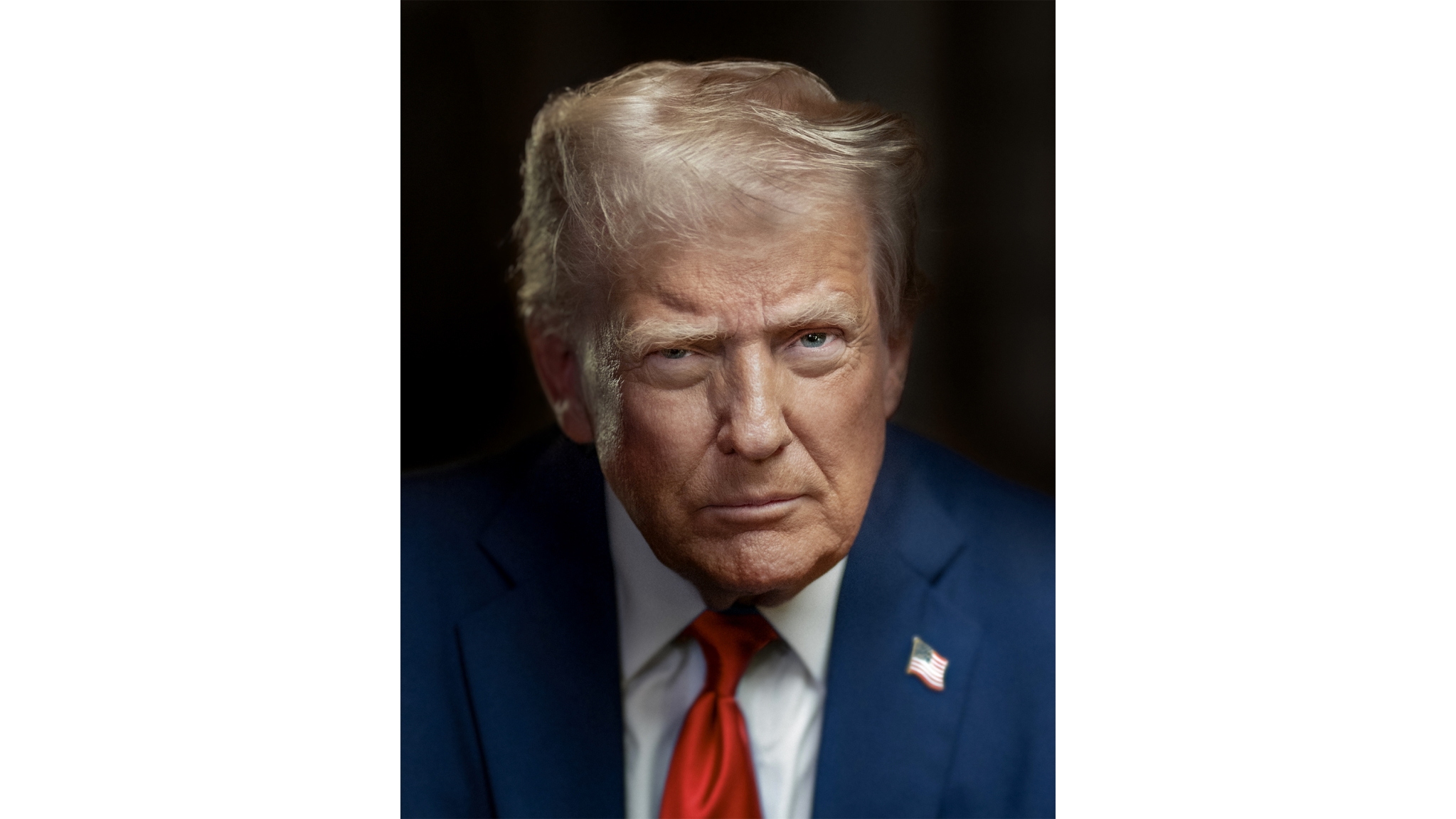
WASHINGTON — President Donald Trump said Tuesday that tariffs paid by foreign countries could substantially replace the modern income tax system, arguing that such a shift would reduce the financial burden on American taxpayers.
“I believe the tariffs, paid for by foreign countries, will, like in the past, substantially replace the modern day system of income tax — taking a great financial burden off the people that I love,” President Donald Trump said during remarks previewing his State of the Union address.
The White House did not release a formal policy proposal detailing how tariff revenue would offset federal income tax collections.
How Tariffs Work
Tariffs are duties imposed on imported goods and are collected by the United States Customs and Border Protection at ports of entry. While the president described tariffs as being paid by foreign countries, economists generally note that tariffs are paid by U.S. importers, who may pass costs on to consumers through higher prices.
The United States relied heavily on tariffs for federal revenue in the 19th century before the ratification of the 16th Amendment in 1913 authorized a federal income tax. Today, income taxes account for a substantial share of federal revenue, according to the Congressional Budget Office.
In recent fiscal years, tariff revenue has represented a relatively small portion of total federal receipts compared with individual and corporate income taxes.
Fiscal and Economic Considerations
Replacing income tax revenue with tariffs would require substantial changes to federal tax policy and likely congressional approval. The U.S. Constitution grants Congress authority over taxation and trade policy.
Economists have debated the broader economic impact of expanded tariffs, including potential effects on consumer prices, trade relationships, and supply chains. Some industry groups have expressed concern that higher tariffs could increase input costs for domestic manufacturers and retailers.
Supporters of tariff-based trade policy argue that such measures can encourage domestic production and address trade imbalances.
The U.S. Department of the Treasury has not issued a statement analyzing the revenue implications of fully replacing income tax with tariff collections.
Political Context
President Donald Trump has long advocated aggressive trade policies and previously implemented tariffs on steel, aluminum, and certain imports from China during his first term. Those measures generated billions in tariff revenue but were also met with retaliatory trade actions from other nations.
The president’s latest remarks signal that trade policy will remain a central theme of his economic agenda as he addresses Congress.
Conclusion
President Donald Trump’s assertion that tariff revenue could substantially replace the modern income tax system represents a significant proposed shift in federal fiscal policy. While tariffs historically played a larger role in U.S. revenue collection, current federal budgets rely heavily on income taxes. Any transition toward a tariff-centered revenue system would require legislative action and detailed fiscal analysis. Further clarification from the administration is expected as policymakers assess the feasibility of the proposal.
Sources
- Public remarks by President Donald Trump, 25 February 2026
- United States Customs and Border Protection tariff collection data
- Congressional Budget Office federal revenue reports
- U.S. Department of the Treasury fiscal data
Tags: President Donald Trump, tariffs, income tax, trade policy, federal revenue
News by The Vagabond News