

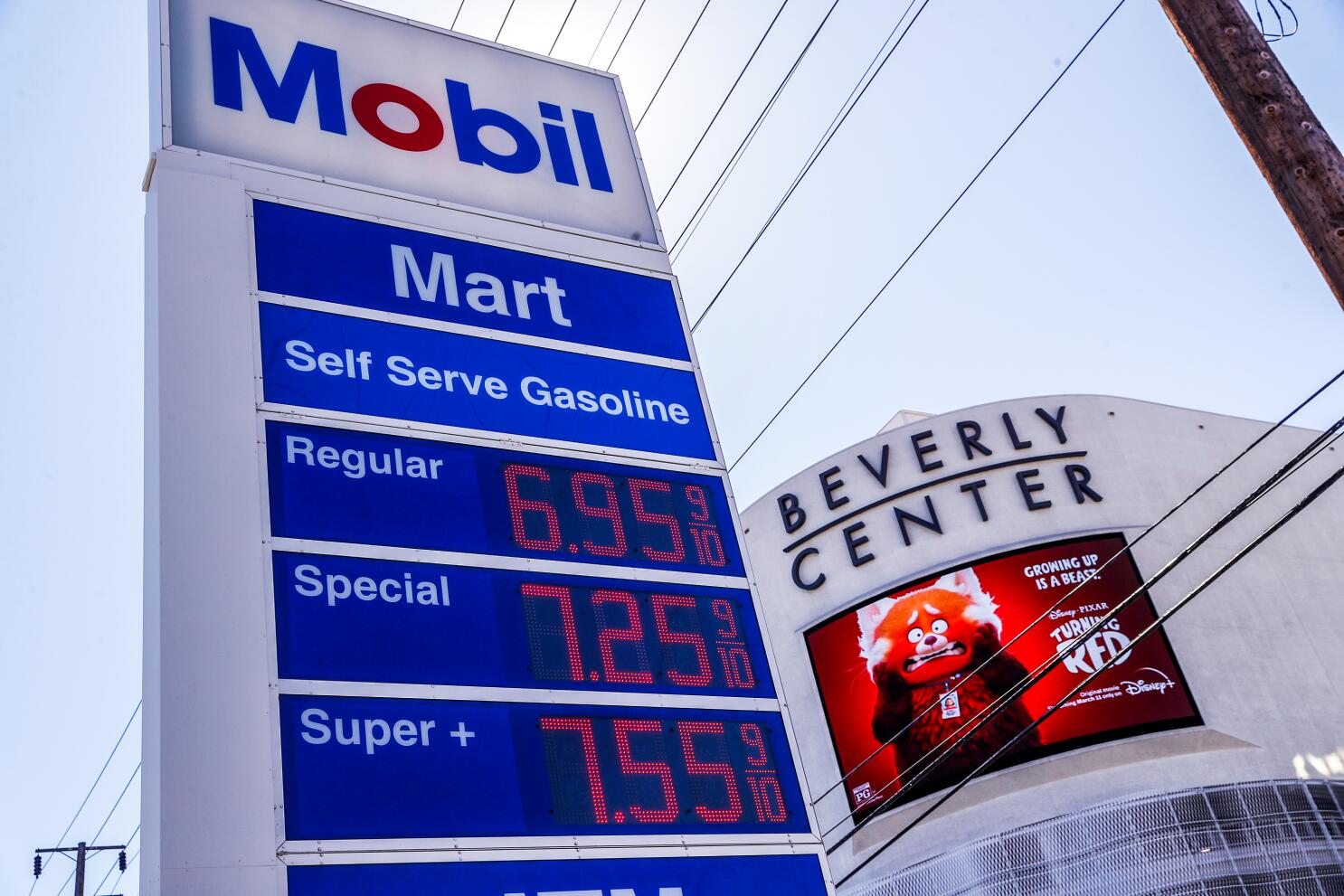

Soaring fuel prices in California are placing increasing pressure on households, businesses, and local economies, with residents reporting significant changes to daily routines and spending habits.
As gasoline prices in the state remain among the highest in the United States, the ripple effects are being felt across multiple sectors, from transportation to retail.
Rising Costs at the Pump
Drivers across major cities such as Los Angeles and San Francisco are facing fuel prices that significantly exceed the national average. Industry data shows that a combination of factors—including state taxes, environmental regulations, and supply constraints—continues to drive prices upward.
While exact figures fluctuate daily, many residents report paying substantially more per gallon compared to previous years, increasing the cost of commuting and travel.
Impact on Daily Commuting
For many Californians, higher fuel costs are directly affecting how and when they travel. Long-distance commuters, in particular, are feeling the strain, with some opting to reduce trips, carpool, or switch to public transportation where available.
Workers in suburban and rural areas, where public transit options are limited, face greater challenges in adapting to rising costs. In some cases, employees are reconsidering job locations or remote work options to offset transportation expenses.


Pressure on Businesses and Supply Chains
Businesses that rely on transportation—such as delivery services, logistics firms, and small retailers—are also experiencing increased operational costs. Higher fuel expenses are often passed on to consumers in the form of increased prices for goods and services.
Local businesses, particularly small enterprises, have reported tighter profit margins as they attempt to absorb rising costs without losing customers.
Household Budget Adjustments
For households, the impact of high gas prices extends beyond transportation. Increased spending on fuel is forcing many families to adjust budgets, cutting back on discretionary expenses such as dining out, entertainment, and travel.
Economists note that sustained high fuel costs can reduce overall consumer spending, potentially slowing economic activity in affected regions.
Broader Economic Implications
California’s high gas prices are also influencing inflation trends and economic sentiment. As one of the largest state economies in the U.S., shifts in consumer behavior can have wider national implications.
Experts point out that energy costs are a key component of inflation, and sustained increases may complicate broader economic recovery efforts.
Policy Debate and Future Outlook
The issue has become a focal point in political and policy discussions, with debates over fuel taxes, environmental standards, and energy infrastructure. Some policymakers advocate for regulatory adjustments to ease costs, while others emphasize the importance of long-term environmental goals.
There is currently no clear timeline for when prices may stabilize, as global oil markets, domestic refining capacity, and regulatory frameworks continue to influence the situation.
Conclusion
High gasoline prices in California are reshaping daily life, from commuting patterns to household spending and business operations. While residents continue to adapt, the long-term effects will depend on both market dynamics and policy decisions in the months ahead.
Sources: Reuters, Associated Press (AP), BBC News, U.S. Energy Information Administration (EIA), California Energy Commission
Editor: Sudhir Choudhary
Date: April 3, 2026
Tags: California Gas Prices, Fuel Costs, US Economy, Inflation, Transportation, Energy
News by The Vagabond News.


