Editor: Sudhir Choudhary
Date: March 29, 2026
Legislative Standoff Deepens in Washington
A partial shutdown of the United States government is set to continue after House Republicans rejected a bipartisan funding agreement approved by the Senate, intensifying a political standoff in Washington. The development underscores deep divisions within Congress over federal spending priorities and policy conditions tied to the budget.
The disagreement centers on a short-term funding measure intended to keep government operations running while lawmakers negotiate a longer-term budget. Despite Senate passage with bipartisan support, House Republican leadership declined to bring the bill forward, citing concerns over spending levels and policy concessions.
Key Players and Political Positions

The impasse highlights tensions between the Republican Party in the House and a coalition of Senate lawmakers from both the Republican Party and the Democratic Party. House Republicans have pushed for deeper spending cuts and stricter policy measures, particularly in areas such as border security and federal program oversight.
Senate negotiators, by contrast, crafted a compromise bill designed to secure enough bipartisan support to avoid disruption to federal services. However, that approach has faced resistance from more conservative members of the House, who argue that the proposal does not go far enough in addressing fiscal concerns.
Impact of the Shutdown

The continuation of the shutdown is expected to affect a range of federal operations. Non-essential government services have been suspended, and hundreds of thousands of federal employees face furloughs or are required to work without immediate pay.
Agencies involved in national security, law enforcement, and critical infrastructure remain operational, but many administrative functions have been paused. Economists warn that prolonged shutdowns can have measurable impacts on economic growth, disrupt government contracts, and reduce consumer confidence.
Public services, including certain regulatory functions, park operations, and administrative processing, are also affected. The longer the shutdown persists, the greater the potential disruption to both government operations and the broader economy.
Pressure on Leadership and the White House
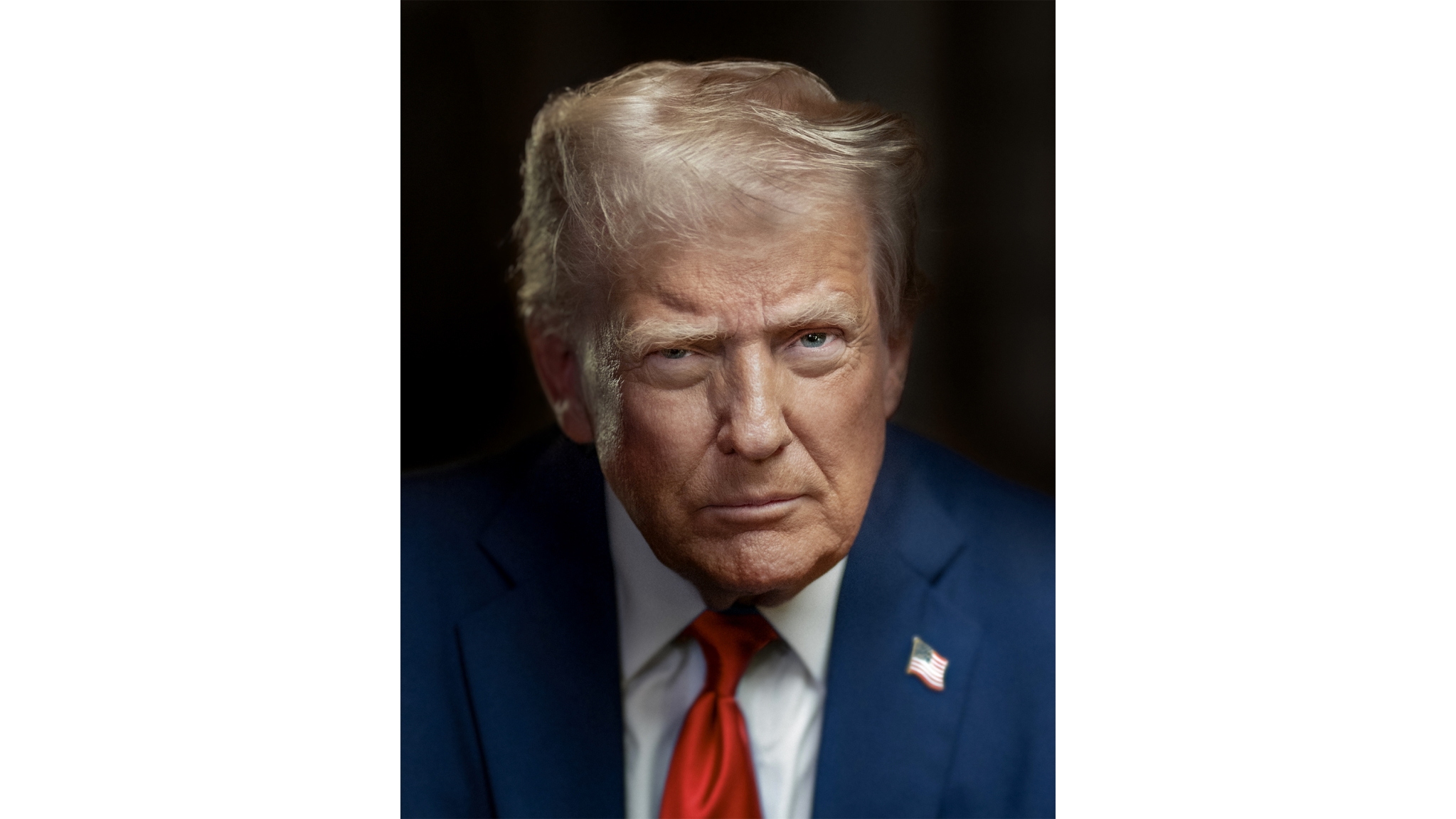
The ongoing stalemate places increasing pressure on congressional leaders and the White House to reach a resolution. President Donald Trump has urged lawmakers to find common ground, though no breakthrough has been announced.
In public statements, President Donald Trump has emphasized the need for fiscal responsibility while also calling for continuity in essential government services. The administration has not formally endorsed the Senate deal rejected by House Republicans, and officials have indicated that further negotiations are necessary.
Political analysts note that internal divisions within the House Republican conference may complicate efforts to reach a unified negotiating position, potentially prolonging the impasse.
Uncertain Path Forward
Negotiations are expected to continue, but there is no clear timeline for resolution. Lawmakers face mounting pressure from constituents, federal workers, and business leaders to end the shutdown and restore full government operations.
Several alternative proposals are reportedly under consideration, including revised short-term funding bills and targeted appropriations measures. However, significant differences remain over spending levels and policy provisions.
The situation reflects broader challenges in the U.S. budget process, where partisan disagreements and internal party divisions can hinder timely passage of funding legislation.
Conclusion
The rejection of the Senate funding deal by House Republicans has extended the partial U.S. government shutdown, highlighting deep political divisions and raising concerns about economic and administrative impacts. With negotiations ongoing and no immediate resolution in sight, the focus remains on whether lawmakers can reach a compromise that satisfies competing priorities.
The outcome of this standoff will have significant implications for governance, fiscal policy, and public confidence in the legislative process.
Sources: Reuters, Associated Press, Bloomberg, U.S. Congressional Records
Tags: US Government Shutdown, House Republicans, Senate Deal, Donald Trump, US Politics, Budget Crisis
News by The Vagabond News.