Editor: Sudhir Choudhary | April 1, 2026

Strategic Pressure Mounts in Critical Waterway
U.S. Defense Secretary Pete Hegseth has called on American allies to increase their involvement in securing the Strait of Hormuz, one of the world’s most vital maritime chokepoints for global energy supplies.
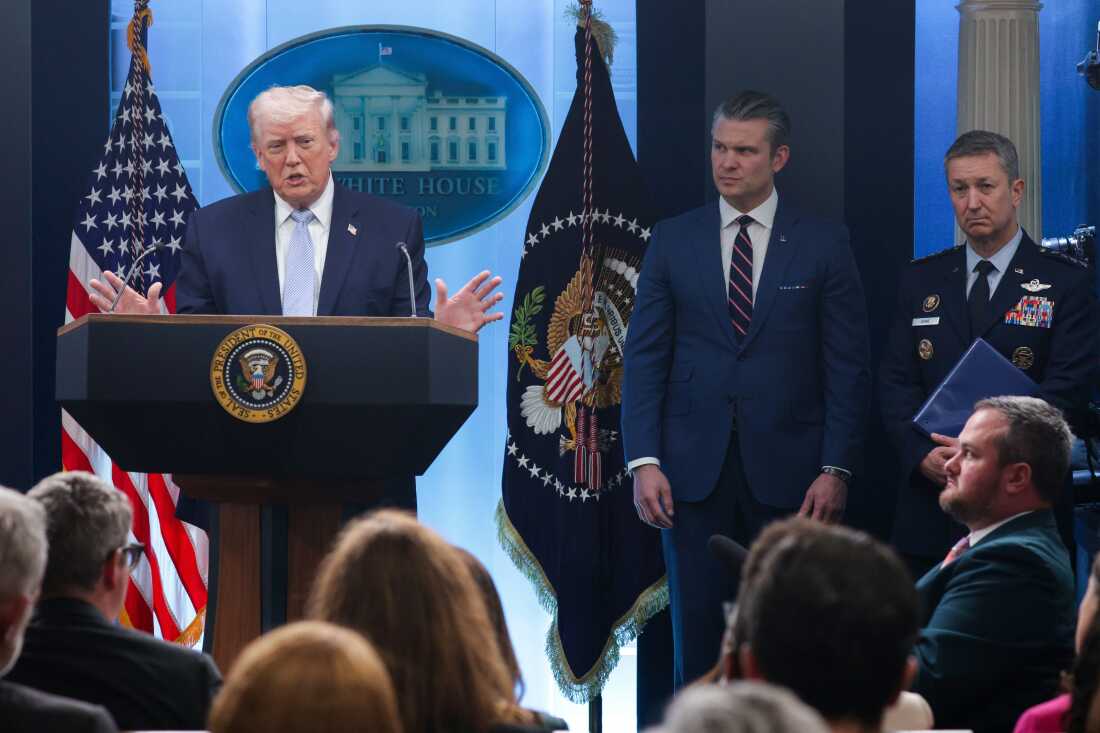
In remarks delivered during a defense briefing, Hegseth emphasized that ensuring the free flow of commerce through the narrow passage is a shared international responsibility. He urged allied nations to contribute more naval resources and logistical support amid rising regional tensions.
Global Energy Lifeline Under Scrutiny
The Strait of Hormuz carries a significant portion of the world’s oil shipments, making it a focal point for geopolitical risk. Any disruption in this corridor can have immediate repercussions on global energy markets, including price volatility and supply chain instability.
Recent tensions in the broader Middle East region have heightened concerns over the security of commercial shipping routes. While no comprehensive blockade has been officially confirmed, isolated incidents and threats have prompted increased naval vigilance.
Call for Burden Sharing Among Allies
Hegseth’s appeal reflects a broader U.S. strategy of encouraging burden-sharing among allies, particularly in regions where American forces have traditionally played a dominant role. He indicated that allied participation would enhance deterrence and ensure sustained maritime security operations.
Officials have not disclosed specific commitments from partner nations, and it remains unclear how many countries are prepared to increase their presence in the region. Discussions are reportedly ongoing with key allies in Europe and Asia.
Regional Tensions and Security Concerns
The call comes amid heightened friction involving Iran and Western powers. Iran has previously warned against foreign military presence in nearby waters, framing such deployments as escalatory.
U.S. officials maintain that their operations are defensive and aimed at safeguarding international shipping. However, analysts caution that increased military activity could raise the risk of miscalculation in an already volatile environment.
No new military incidents directly linked to the latest appeal have been officially reported at the time of publication.
Uncertain Path Forward
While the United States continues to advocate for a coordinated multinational approach, questions remain about the scale and effectiveness of any expanded coalition effort.
Experts note that aligning diverse national interests and operational capabilities can be complex, particularly in a region with overlapping geopolitical tensions. As discussions continue, the situation in the Strait of Hormuz remains under close international observation.
Sources:
- Reports from Reuters and Associated Press
- Statements from U.S. Department of Defense briefings
- Analysis from international security and energy experts
Tags:
Strait of Hormuz, Pete Hegseth, US Defense, Middle East, Oil Supply, Naval Security, Iran, Global Energy
News by The Vagabond News.