

The Vagabond News
By Sudhir Choudhary
Date: 24 November 2025
G20 Summit Boycotted by U.S. Closes in South Africa


Key Developments
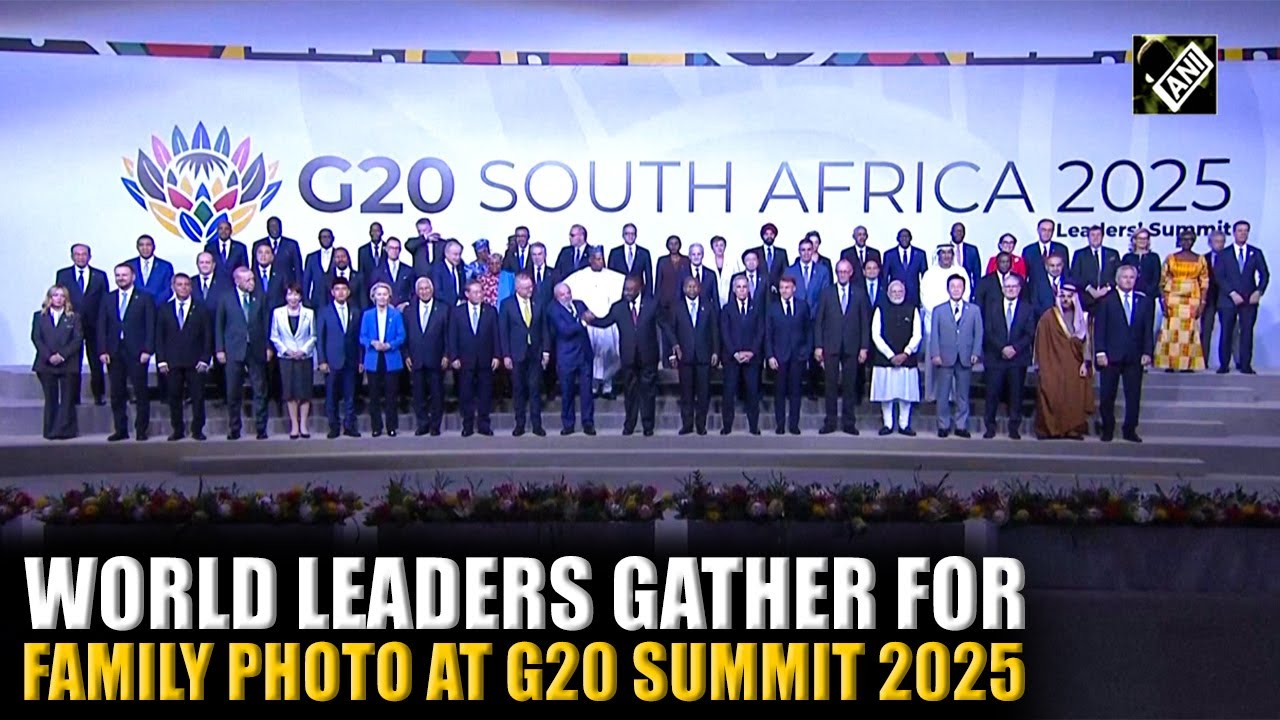
- The 2025 G20 Johannesburg Summit wrapped up on 23 November 2025 in Johannesburg, South Africa, marking the first time an African nation hosted a G20 leaders’ meeting. (Wikipedia)
- The summit was notably boycotted by the United States, with the Donald Trump administration declaring it would not send any government officials to the event. (Reuters)
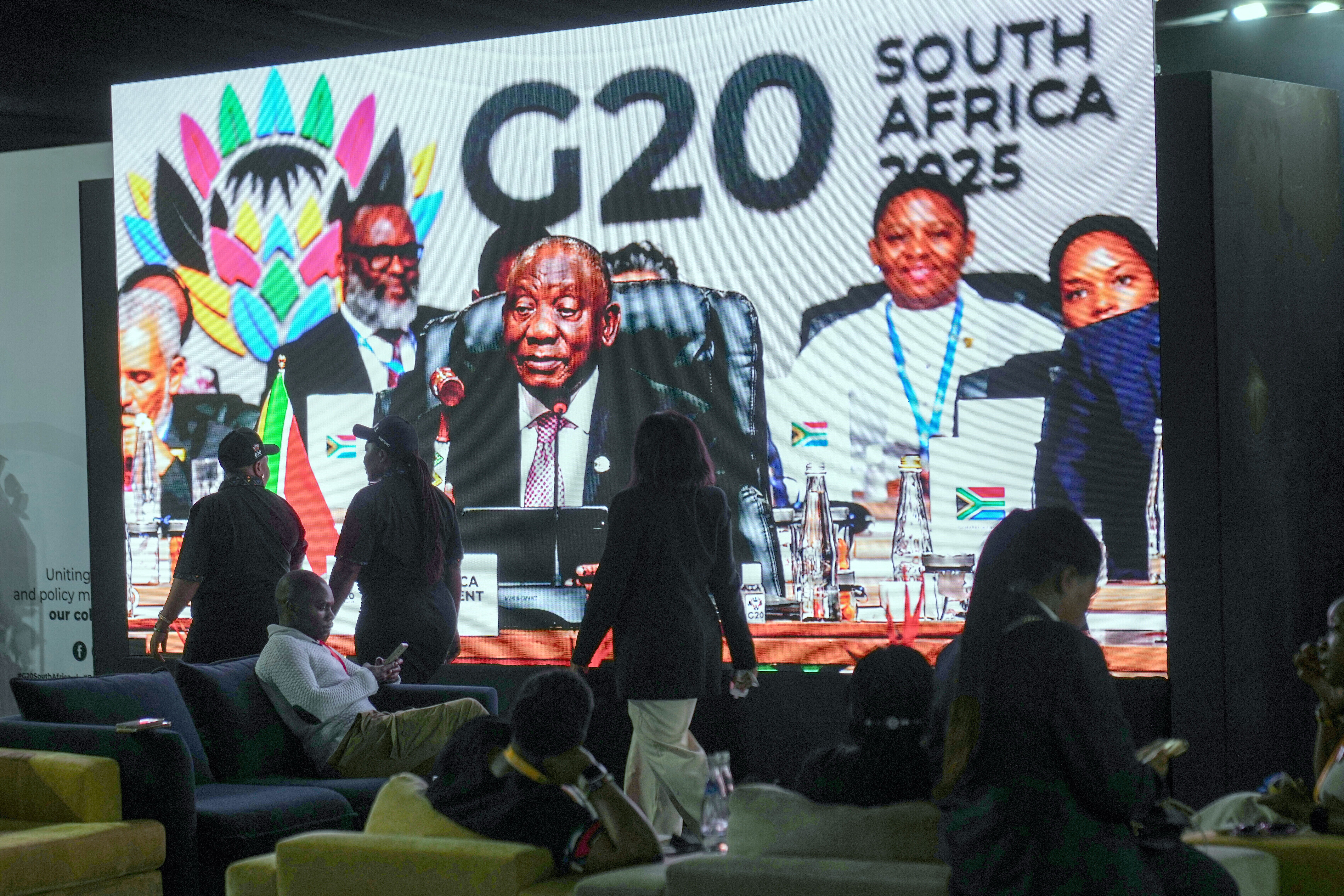
- At the closing ceremony, South African President Cyril Ramaphosa symbolically banged the gavel and declared the summit closed, stating the presidency will now transition to the United States — even though no U.S. official was present to receive the handover. (AP News)
Why the U.S. Boycotted
- President Trump and U.S. officials cited human-rights concerns, particularly accusing South Africa of targeting white Afrikaners and seizing farms — allegations Pretoria denies as unfounded. (Reuters)
- The U.S. also objected to the summit agenda’s focus on climate change, wealth inequality and global governance reform — elements viewed by Washington as antithetical to its priorities. (Le Monde.fr)
Summit Highlights and Outcomes
- The summit proceeded despite the absence of the U.S., with attending leaders adopting a declaration early in the proceedings — breaking with tradition which usually places signatures at the end. (Le Monde.fr)
- Key themes focused on “Solidarity, Equality, Sustainability”, with strong emphasis placed on development issues pertinent to the Global South, debt relief, climate resilience and multilateral institutional reform. (Wikipedia)
- Not all members endorsed the final communique: notably, Argentina declined to support it, citing dissatisfaction with language on the Middle East and other conflicts. (Le Monde.fr)
Implications
- With the world’s largest economy absent from the summit, the G20’s capacity to act as a unified platform for global governance is being tested. Some analysts believe the boycott may accelerate a shift toward a more fragmented global order. (Le Monde.fr)
- South Africa appears to have leveraged the moment to assert the relevance of the Global South and to demonstrate that multilateral forums can continue without the traditional Western leadership. (Le Monde.fr)
- Looking ahead, the presidency transitions to the United States in 2026 — raising questions about whether Washington will reintegrate the G20 agenda or push its own priorities apart from the Johannesburg outcome.
What to Watch
- Whether the U.S. will re-engage fully at future G20 events or continue to pursue parallel forums.
- How the commitments made at Johannesburg — particularly on climate finance, debt relief and governance reform — will be translated into action given absence of buy-in from key players.
- The impact of this summit on U.S.–South Africa relations and broader U.S. influence in multilateral forums.
- Whether the G20 can maintain cohesion and effectiveness in the face of major power absences and competing global agendas.
Final Thought
The Johannesburg summit showcased both the ambition of Global South leadership and the fragility of multilateral cooperation in an era of geopolitical schisms. While the gathering moved ahead and produced a declaration, the U.S. boycott underscores a turning point: global summits may be increasingly multi-speed, and the question of who sets the agenda has never been more open.
The Vagabond News – Sudhir Choudhary




Leave a Reply