By Sudhir Choudhary | March 21, 2026

A Long-Fought Recognition Reversed in a Single Vote
In a move that has sparked sharp public debate, officials in Fresno, California, voted to remove the name “Cesar Chavez Boulevard” from a major roadway—effectively undoing a recognition that took more than three decades of advocacy to achieve.
The decision, approved during a recent city council session, reverses a symbolic milestone honoring labor leader Cesar Chavez, whose legacy has been closely tied to California’s agricultural and labor rights movements. The renaming had originally followed years of campaigning by community leaders, labor groups, and civil rights advocates.
City officials confirmed that the reversal process was completed within a day of the vote, highlighting the speed with which the change was implemented compared to the decades-long effort required to establish the designation.
Background: Decades of Advocacy for Cesar Chavez Blvd

Cesar Chavez, co-founder of the United Farm Workers union, remains a central figure in American labor history. His work in organizing farmworkers and advocating for improved labor conditions earned national recognition and continues to resonate across communities in California and beyond.
Efforts to name a prominent Fresno roadway after Chavez began decades ago, reflecting both his regional influence and broader civil rights legacy. Supporters viewed the naming as a long-overdue acknowledgment of his contributions to workers’ rights and social justice.
However, the process was marked by prolonged political negotiations, public consultations, and logistical challenges, which delayed the designation for years before it was ultimately approved.
Reasons Behind the Sudden Reversal

City officials cited a range of factors behind the decision to remove the Cesar Chavez Boulevard name. These included concerns raised by local residents and businesses regarding address changes, navigation issues, and administrative complications linked to the renaming.
Some council members indicated that the original decision had not sufficiently accounted for the logistical and economic impact on affected communities. Others argued that the process required broader consensus and clearer planning.
Authorities have not indicated any legal barriers to the reversal, noting that municipal naming decisions fall within the jurisdiction of local governance structures. However, officials acknowledged that the speed of the decision has intensified public scrutiny.
Community Reaction and Political Fallout
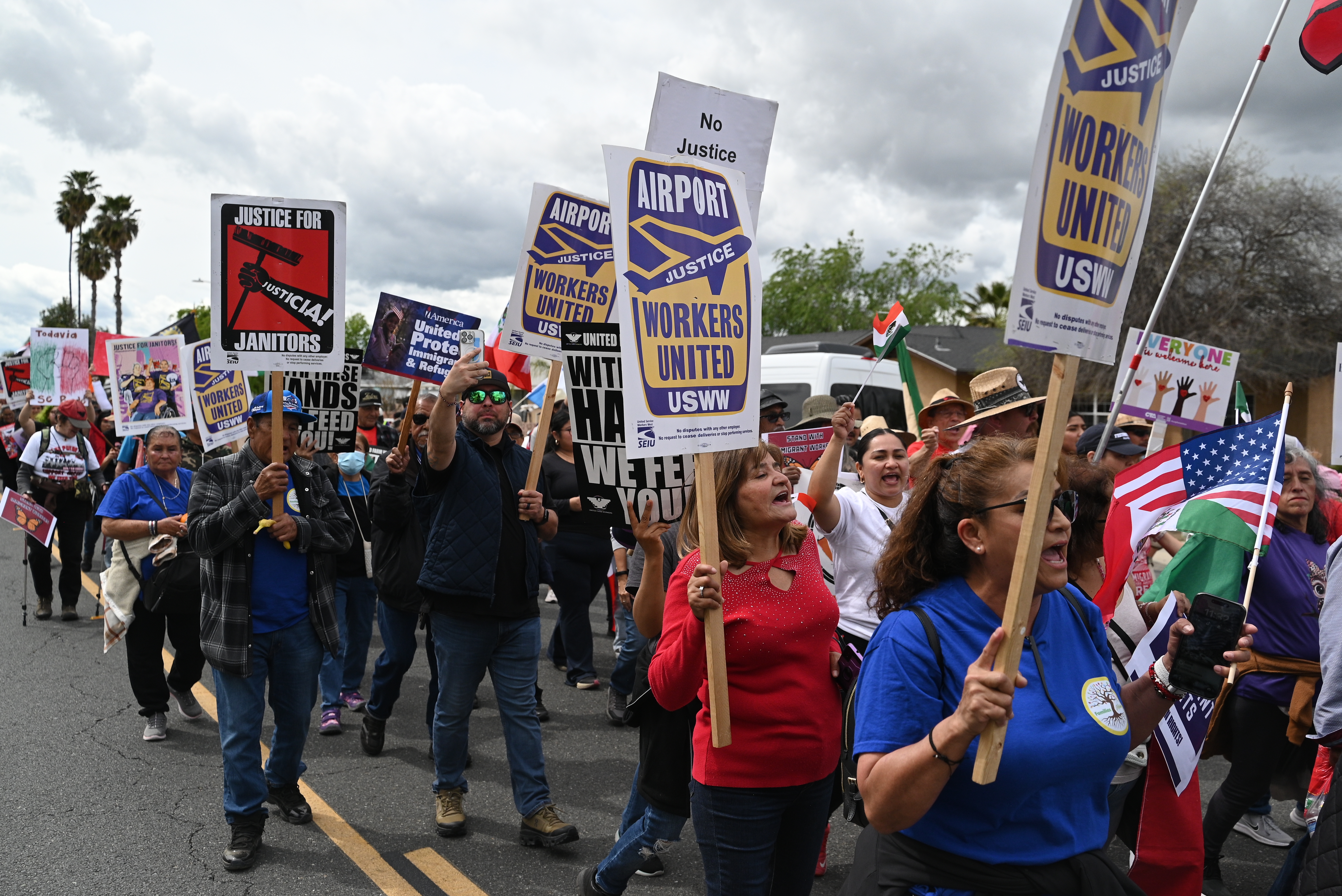
The decision has triggered a strong response from advocacy groups, labor organizations, and residents. Supporters of the Cesar Chavez designation have criticized the move as dismissive of historical recognition and community sentiment.
Public demonstrations and statements from civil rights organizations have called for reconsideration of the decision. Some groups argue that the reversal undermines efforts to honor figures associated with social justice and labor rights.
Opponents of the original naming decision, however, have defended the council’s move, citing practical concerns and the need for community-wide agreement. Officials have confirmed that no immediate plans for reinstating the name have been announced.
Legal and Administrative Outlook
City authorities have stated that the administrative process of reverting the street name has been completed, including updates to signage and municipal records. It remains unclear whether legal challenges or further council actions could alter the outcome.
Experts note that while street naming decisions are typically local matters, they can carry broader symbolic significance, particularly when tied to nationally recognized figures such as Cesar Chavez.
As of now, officials have not released any timeline for potential reconsideration or public review processes.
A Symbolic Decision with Broader Implications
The rapid reversal of Cesar Chavez Boulevard in Fresno highlights the intersection of local governance, historical recognition, and community identity. While the official rationale centers on logistical concerns, the decision has underscored deeper divisions regarding how public spaces reflect shared history.
Authorities have emphasized that further updates will be provided if new developments arise. At present, the issue remains a focal point of civic debate in Fresno, with implications that extend beyond the city’s boundaries.
Sources:
- Fresno City Council proceedings
- Statements from local officials and community groups
- Historical records on Cesar Chavez and United Farm Workers
Tags:
Fresno, Cesar Chavez, Street Renaming, California Politics, Labor Rights, Local Governance
News by The Vagabond News