

Fears Iran’s Internet Shutdown Could Lead to ‘Extreme Digital Isolation’
📅 January 19, 2026
✍️ Editor: Sudhir Choudhary, The Vagabond News

Concerns are rising internationally that Iran’s ongoing nationwide internet shutdown could evolve into a lasting break from the global network, entrenching what digital rights activists describe as “extreme digital isolation” that would have profound political, economic, and social consequences for the country and its citizens.
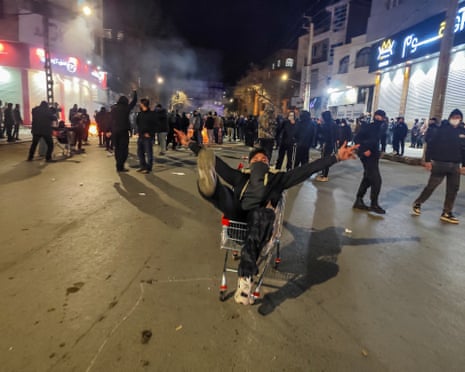
Since early January, Iran has imposed one of the most comprehensive internet blackouts in its recent history, cutting off public access to the wider internet amid widespread anti-government protests and a heavy domestic security crackdown. Monitoring groups say widely used connectivity to international platforms has effectively disappeared, leaving only a tightly controlled domestic “national internet” active.
A Blackout Across a Nation
The shutdown, which began on January 8 and remained in place more than a week later, has severed most citizens’ ability to connect with news, social media, and other services hosted outside Iran. Telecommunication monitoring data shows overall internet traffic plunged by nearly 90 percent as national gateways were cut, effectively isolating the country from the global web.
Observers note that state-linked media and Telegram channels tied to government bodies have continued to operate during the blackout, while most independent or foreign-linked services have gone dark. Rights groups warn that this reflects an ongoing strategy to preserve information flow only through channels controlled or sanctioned by Iranian authorities.
From Temporary Cutoff to Digital Isolation?
Activists and digital rights monitors say the immediate goal of the shutdown appears to be suppressing communication during protests and curbing the dissemination of images and reports of state violence. Critics say this tactic mirrors past shutdowns used to clamp down on dissent.
However, growing evidence suggests Tehran is moving beyond temporary disruption toward a permanent, state-controlled internet architecture. Advocates report plans to pivot fully to a “Barracks Internet” or deeply restricted national intranet, allowing only vetted individuals and entities limited access to the wider web, while most citizens would be restricted to regime-approved services.
Under this prospective system, access to global platforms like Facebook, Twitter, YouTube, and external messaging services could be fully severed for ordinary users, fundamentally altering how Iranians live, work, and organize. Experts warn that such a model would not only weaken dissent but also sharply curtail economic participation, academic exchange, and cultural connectivity.
Rights Advocates Sound the Alarm
Digital rights organizations have condemned the shutdown and the potential shift toward permanent isolation, stressing that internet access is essential for freedom of expression, access to information, and basic human rights. They argue that isolating a population from the global internet risks creating a digital echo chamber in which only state narratives are visible.
International technology watchdogs caution that once infrastructure for a state-limited internet is put in place, reversing it could prove costly and technically difficult, creating a long-term barrier between Iran and global digital ecosystems. Such isolation could also set a precedent for other authoritarian governments considering similar restrictions—a development experts say would undermine global norms on connectivity and digital rights.
Economic and Social Costs
Analysts say prolonged disconnection from the global internet threatens more than political freedoms. Online commerce, remote work, international finance, and digital services all depend on open connectivity. A permanent severance could lead to economic contraction, reduced foreign investment, and diminished opportunities for students and professionals reliant on global platforms for information and collaboration.
Even short-term internet blackouts have previously inflicted significant economic costs in other countries, underscoring the broad implications of digital isolation on national productivity and growth.
International Response
United Nations human rights bodies and Western governments have condemned Iran’s communications blackout and broader crackdowns on protests. Diplomatic pressure has mounted alongside sanctions and statements urging Tehran to restore access and respect civil liberties. Observers say a sustained shutdown could further tarnish Iran’s international standing and deepen its economic and diplomatic isolation.
For now, much of the world is watching to see whether Tehran’s internet cut is merely a crisis response or the first step toward a long-term retreat from global digital participation—an outcome that, critics warn, could leave millions of Iranians digitally isolated and constrained from the connected world.
Source: NetBlocks; BBC; Filterwatch; Iran International reporting
Tags: Iran, Internet Shutdown, Digital Isolation, Digital Rights, Protests, Global Internet
News by The Vagabond News




Leave a Reply