

EU’s Bold Decision: Effortless Support for Ukraine Awaits
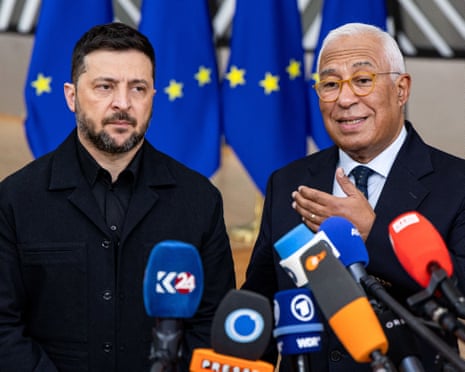
In a significant development on October 24, 2025, European Union (EU) leaders convened to address a pressing issue: the financially frozen assets of Russia. This meeting had anticipated a proposal for a loan backed by these assets, aimed specifically at bolstering Ukraine’s ongoing struggle. However, the EU opted to postpone this decisive matter until December, signaling internal apprehensions, particularly from Belgium. This discussion raises pivotal questions about the EU’s overall commitment to supporting Ukraine amidst adversity.
The Context Behind the Frozen Assets
The decision emerges against the backdrop of the escalating conflict between Russia and Ukraine, which has led to considerable instability in Eastern Europe. Following the outbreak of war, countries worldwide imposed sanctions on Russia, resulting in the freezing of substantial Russian financial assets within EU jurisdictions. Originally earmarked for various governmental functions in Russia, these funds have ignited intense debate among EU leaders concerning their potential use for humanitarian aid to Ukraine during its time of pressing need.
The cautious decision to delay backing the loan reflects the EU’s nuanced approach as it navigates the financial and diplomatic ramifications of such maneuvers. Belgium’s concerns primarily revolve around the legal and ethical implications of deploying frozen assets to support Ukraine, adding complexity to the larger discussion.
The Shifting Dynamics of EU Support for Ukraine
Despite the recent setback regarding the frozen Russian cash loan, the EU’s commitment to supporting Ukraine remains steadfast and multifaceted. This commitment encompasses military assistance, humanitarian aid, and economic support, demonstrating a comprehensive approach to bolster Ukraine’s resilience. As the conflict escalates, the EU has proactively issued resources designed to strengthen Ukraine’s defense capabilities while also addressing the humanitarian crisis.
Moreover, the EU’s support transcends monetary contributions; it includes robust diplomatic efforts aimed at garnering international backing for Ukraine. Continuous sanctions against Russia and political initiatives work to maintain pressure, highlighting the EU’s strategic posture in this volatile landscape.
Economic Stability: A Pillar of Support
Recognizing the severe economic challenges Ukraine faces amid ongoing hostilities, the EU has been focused on facilitating trade agreements and financial arrangements designed to alleviate economic strains. By fortifying economic ties and assisting in reconstruction initiatives, the EU aspires to carve out a sustainable path for Ukraine’s recovery and future growth.
As discussions persist regarding the utilization of frozen Russian assets, it becomes imperative for the EU to ensure that any aid provided to Ukraine is both effective and substantial. This includes not merely financial support but also strategic guidance on governance and rebuilding initiatives once peace is restored.
Member States’ Perspectives on the Loan Proposal
The decision to postpone action on the frozen Russian cash loan underscores the diverse perspectives among EU member states. While several nations advocate for an assertive use of these assets to expedite support for Ukraine, others voice concerns regarding the potential ramifications. Belgium has been particularly vocal about the necessity of a thorough review of legal implications before any decisive actions are undertaken.
This variance in opinions illuminates the broader difficulties the EU encounters in crafting a unified response to the crisis. Navigating the complexities of international law alongside ethical considerations concerning financial assistance requires meticulous deliberation.
Moving Forward: The Importance of Unity in Support for Ukraine
As the EU prepares for its December discussions, unity among member states is of utmost importance. This cohesion is essential not only for the efficacy of their collective response but also for ensuring that Ukraine receives timely and necessary aid during this tumultuous period.
The EU’s ongoing dedication to supporting Ukraine must translate into decisive action; delays in decision-making can undermine the urgency of on-the-ground needs. The stakes are high, and a steady flow of support is crucial for effectiveness.
Conclusion
While the EU’s reluctance to endorse the frozen Russian cash loan may appear to be a setback, it elucidates the intricate challenges inherent in addressing geopolitical crises. As leaders contemplate their next steps, the focus intensifies on reinforcing Ukraine’s pursuit of stability and peace. By fostering unity and addressing member states’ concerns, the EU can adequately navigate these complexities, ultimately strengthening its commitment to Ukraine’s sovereignty and prosperity. The road ahead may be fraught with difficulties, but the promise of effortless support for Ukraine awaits a unified and decisive response.





Leave a Reply