Democrats Denounce Trump’s Iran Attack, but Subtle Divisions Emerge
Editor: Sudhir Choudhary
Date: March 2, 2026

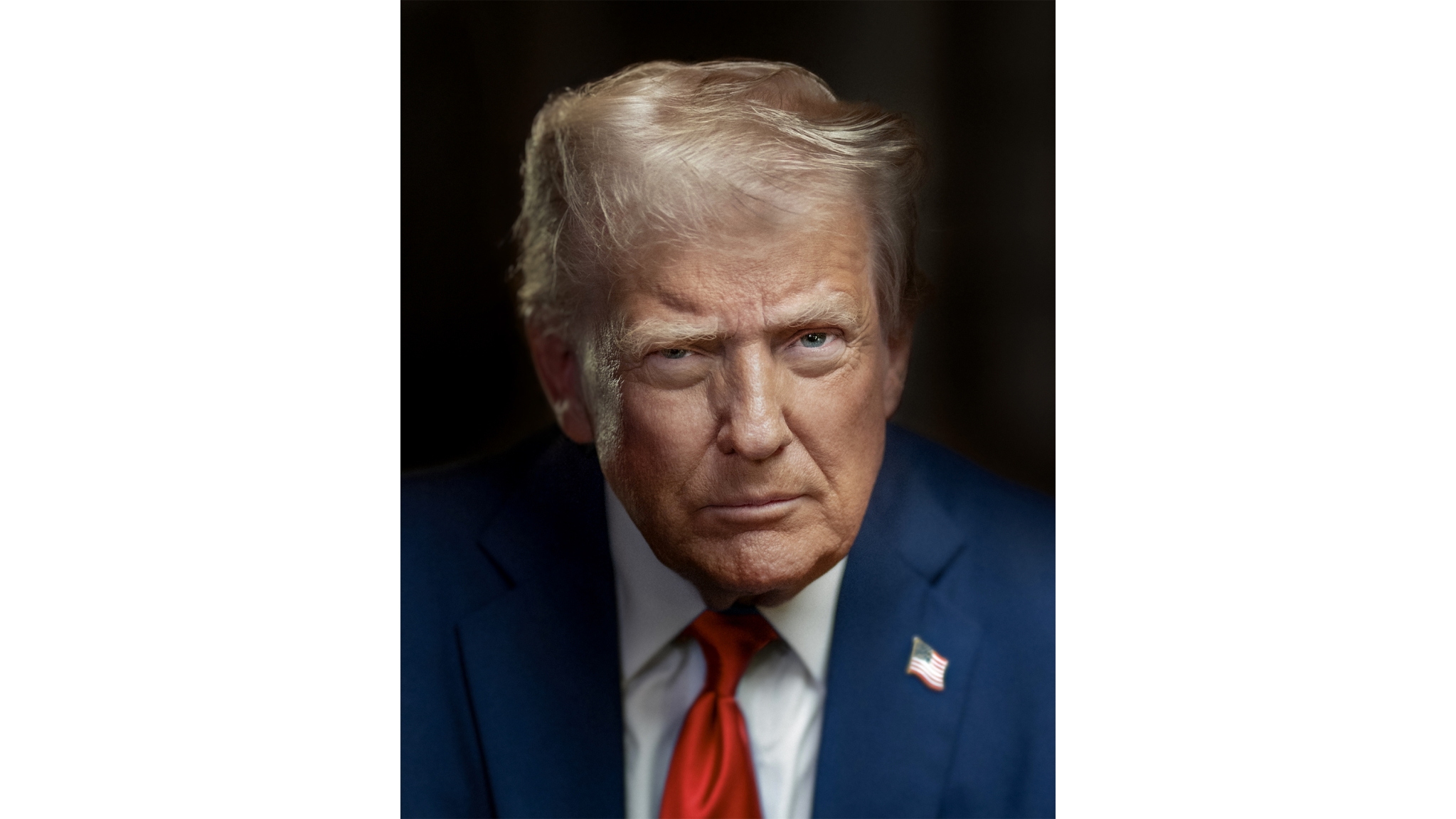
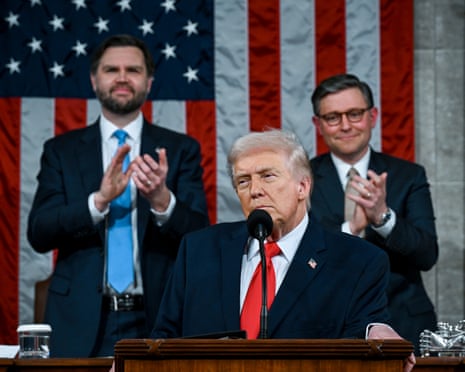
Washington, D.C. — Democratic leaders and lawmakers sharply denounced President Donald Trump’s recent military strikes on Iran this week, calling the attacks unauthorized and a breach of constitutional war-powers authority. However, a closer review of congressional reactions reveals subtle but notable divisions within the Democratic caucus over the response to U.S.–Israeli combat operations and how lawmakers frame their opposition. The strikingly mixed reactions come amid heightened concern over military escalation in the Middle East and political calculations ahead of looming U.S. elections.
Broad Criticism of the President’s Authority
Democratic leaders in both the House of Representatives and Senate condemned the initiation of “Operation Epic Fury” by the president without prior formal authorization from Congress. The strikes, which began in the early hours of February 28, 2026, targeted Iranian military infrastructure and resulted in the reported death of Iran’s Supreme Leader Ali Khamenei and several high-ranking commanders, according to U.S. and allied military sources.
Many Democrats argued the president’s decision violated the War Powers Resolution of 1973, which requires congressional approval for extended military engagements and consultation before engaging U.S. forces in hostilities. Senate Minority Leader Chuck Schumer and Representative Hakeem Jeffries issued statements asserting that the Constitution grants Congress the authority to declare war, and that bypassing this process undermines legislative oversight.
Senator Mark Warner labeled the military action “a war of choice” and questioned the lack of clear rationale or documented imminent threat justifying the strikes without legislative review. Similarly, Democratic lawmakers such as Tim Kaine and Ed Markey called for immediate congressional hearings and briefs to determine the legal basis and strategic objectives of the operation.
Emerging Fissures Within the Caucus
Despite a dominant narrative of opposition, a group of Democrats offered supportive or restrained reactions to the strikes, underscoring fractures within the party on foreign policy and executive authority.
Senator John Fetterman, a Democrat from Pennsylvania, broke ranks with many of his colleagues by expressing support for the military action, describing it as a necessary measure to prevent Iran from acquiring nuclear weapons and degrade its capacity to sponsor regional terrorism. Fetterman’s backing of the strikes reflects his broader national security stance and skepticism toward Iranian policies.
In the House, Representative Josh Gottheimer joined a small contingent of Democrats pushing back against strict party leadership by resisting a proposed war-powers resolution that would limit the president’s discretionary authority. Gottheimer and a few other moderate Democrats argued that requiring advance congressional consent for limited military action could undermine U.S. strategic flexibility at a critical moment.
These deviations highlight a broader intra-party debate over how to balance constitutional prerogatives with perceived national security imperatives. Some moderate and security-focused Democrats said they wanted detailed briefings and oversight but stopped short of calling for an outright rebuke of the president’s military judgment.
Legal, Strategic and Constitutional Concerns
A central pillar of Democratic criticism has been the legal authority under which the president authorized the strikes. Many lawmakers emphasized that modern conflicts, including high-intensity engagements like the current Iran operation, demand clear legislative endorsement or a formal declaration of war.
Senator Chris Murphy publicly raised concerns that the lack of a congressional mandate could set a precarious precedent, eroding the constitutional balance of war-making powers between the executive and legislative branches. Representative Jim Himes echoed these worries, stating that a president should not initiate extensive military operations without “the highest level of scrutiny, deliberation and accountability.”
Democrats also expressed skepticism over the absence of a clearly articulated strategic endgame for U.S. operations in the Middle East. While the White House framed the strikes as targeting specific threats, several Democratic lawmakers said they had seen no evidence that the Iranian military posed an imminent risk that could not have been addressed through diplomatic or multilateral pressure.
Political and Electoral Calculations
The discord among Democrats over the Iran action also reflects differing political and electoral calculations. With the 2026 midterm elections approaching, some lawmakers emphasize the need to oppose what they view as executive overreach on constitutional grounds, while others urge caution to avoid seeming weak on national security and defense.
A Reuters/Ipsos poll released in the wake of the strikes found only a minority of Americans supported the military action, with Democrats, in particular, expressing strong disapproval of the president’s approach. This public skepticism amplifies pressures on Democratic lawmakers to navigate internal divisions while responding to broader voter sentiment.
Outlook and Next Steps
As Congress prepares to reconvene, House Democrats are expected to bring forward a war-powers resolution aimed at restricting further unilateral military action by the executive branch. The success of such a measure remains uncertain, given the apparent divisions within the party itself.
At the same time, international and regional developments continue to evolve, with ongoing Iranian missile retaliation against U.S. bases and allied forces. This dynamic environment underscores both the legislative urgency and the strategic complexity facing U.S. policymakers.
Sources:
• The Guardian — Trump allies defend US-Israel strikes on Iran as Democrats call it a ‘war of choice’ (March 1, 2026)
• The Guardian — US lawmakers condemn Trump over Iran strikes: ‘acts of war unauthorized by Congress’ (Feb. 28, 2026)
• Reuters/Ipsos Poll — Just one in four Americans supports US strikes on Iran (March 1, 2026)
• Wall Street Journal — Democratic Lawmakers Decry Iran Attacks as Illegal (Feb. 28, 2026)
Tags: U.S. Politics, Iran Conflict, War Powers, Congress, President Donald Trump
News by The Vagabond News