Editor: Sudhir Choudhary
Date: March 11, 2026
Pentagon Signals Major Escalation in Iran Conflict
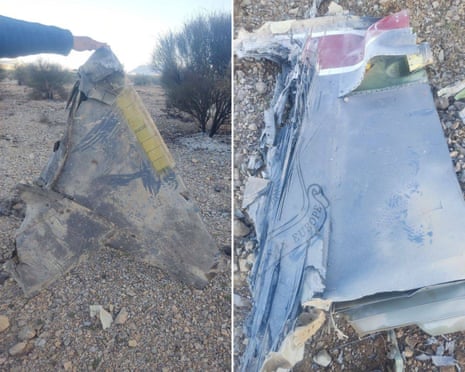
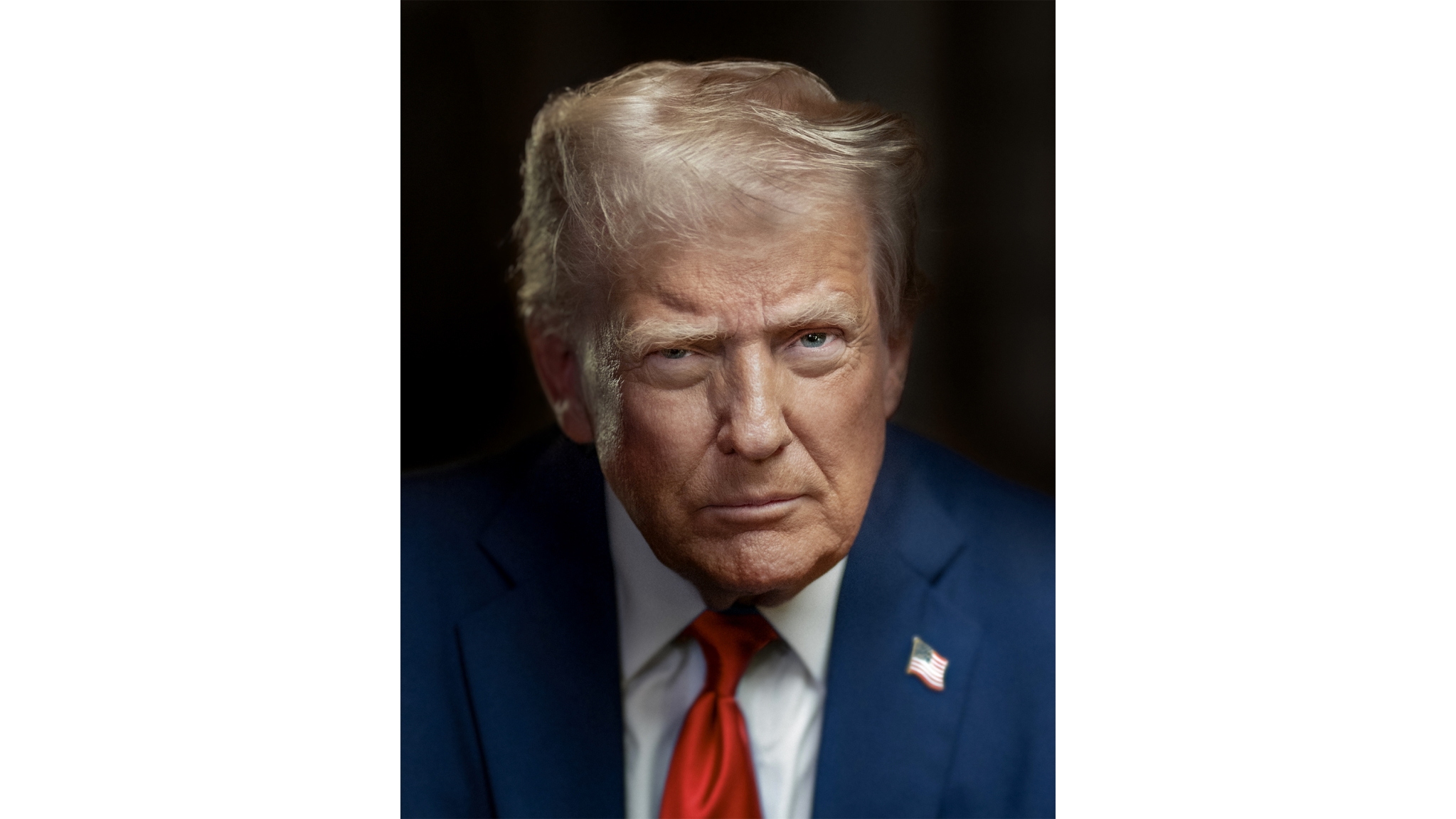
U.S. Defense Secretary Pete Hegseth has warned that the ongoing war between the United States and Iran is entering what he described as its “most intense day of strikes,” signaling a major escalation in the military campaign ordered by President Donald Trump.
Speaking during a Pentagon briefing on March 10, 2026, Hegseth said American forces were preparing the largest wave of airstrikes since the war began, involving increased numbers of fighter jets, bombers, and coordinated attacks against Iranian targets.
The warning came as the conflict entered its second week, with both sides continuing military operations across the region.
Massive Airstrike Campaign Planned

According to Pentagon officials, the latest phase of the campaign would involve the highest concentration of aircraft and strike missions used so far in the war.
Hegseth told reporters that the United States intends to intensify attacks on Iranian military infrastructure, including missile facilities, drone production sites, and naval assets.
“Today will be yet again our most intense day of strikes inside Iran — the most fighters, the most bombers, the most strikes,” Hegseth said during the briefing.
U.S. military leaders say the objective of the campaign is to weaken Iran’s ability to launch missile and drone attacks and to prevent the country from developing nuclear weapons.
War Strategy Under Operation Epic Fury
The military campaign, described by U.S. officials as Operation Epic Fury, has targeted thousands of Iranian sites since operations began in late February.
Pentagon officials report that more than 5,000 targets have been struck, including missile launchers, drone facilities, and naval vessels belonging to Iran’s military forces.
General Dan Caine, a senior U.S. military commander involved in the operation, said that Iranian missile and drone attacks have declined in recent days following sustained bombardment.
U.S. officials claim the campaign has already significantly degraded Iran’s military capabilities, though Iranian forces continue to launch retaliatory attacks against U.S. and allied positions in the region.
Iran Continues Retaliation
Despite the intensified air campaign, Iran has continued launching missile and drone strikes targeting U.S. military bases and regional infrastructure.
Iranian officials have warned that further escalation could lead to broader regional conflict, particularly if U.S. strikes expand to additional strategic targets.
One area of concern for global markets is the Strait of Hormuz, a key shipping route for international oil supplies. U.S. officials have warned Iran against attempting to disrupt the flow of oil through the strategic waterway.
Hegseth said that any attempt by Iran to block oil shipments would trigger stronger military action from the United States.
Civilian Casualty Concerns
The intensification of strikes has also raised concerns about civilian casualties. Reports have emerged of a deadly airstrike on a school building in Iran that killed more than 160 people, many of them children.
U.S. officials said the incident is under review, with preliminary assessments suggesting that outdated intelligence may have contributed to the strike.
Hegseth has denied that the United States deliberately targets civilian sites and accused Iran of placing military assets in civilian areas.
Uncertain Duration of the War
While announcing the escalation in strikes, Hegseth did not provide a timeline for when the conflict might end. However, he emphasized that the war would conclude “on the United States’ timeline.”
The Trump administration has repeatedly stated that the goal of the campaign is to destroy Iran’s missile capabilities, dismantle parts of its naval forces, and prevent nuclear weapons development.
At the same time, analysts warn that the expanding air campaign increases the risk of a prolonged conflict and broader regional instability.
As the war intensifies, the coming days are expected to test whether the surge in U.S. military operations will significantly weaken Iran’s military capabilities or lead to further escalation.
Sources: Reuters, Associated Press, PBS NewsHour, The Guardian, U.S. Department of Defense briefings.
Tags: Iran War, Pete Hegseth, President Donald Trump, Pentagon, U.S. Military, Middle East Conflict
News by The Vagabond News