After Minnesota Shooting, ICE Again Limits Congressional Visits
📅 January 12, 2026
✍️ Editor: Sudhir Choudhary, The Vagabond News


In the wake of the fatal Immigration and Customs Enforcement (ICE) shooting in Minneapolis, Minnesota, federal authorities have reinstated restrictions limiting congressional access to ICE detention facilities, a move that has heightened tensions between the U.S. Department of Homeland Security and lawmakers seeking oversight of immigration enforcement operations.
The revised policy requires members of Congress to submit written requests at least seven days in advance of planned visits to ICE facilities. Shorter-notice visits are subject to approval directly by Homeland Security Secretary Kristi Noem, a departure from prior practice that allowed unannounced or short-notice oversight by legislators. Officials said the change responded to increased security concerns and disruptions linked to protests after the January 7 shooting of 37-year-old Renee Nicole Good by an ICE officer — an incident that has sparked nationwide demonstrations and political backlash.
Lawmakers Denied Access
Over the weekend, three Minnesota Democratic members of Congress — Rep. Ilhan Omar, Rep. Kelly Morrison, and Rep. Angie Craig — were denied entry to an ICE detention facility near Minneapolis during an attempted oversight visit. The lawmakers were initially allowed to enter, but federal personnel abruptly reversed their decision and barred them from proceeding, citing the new visitation requirements.
Democratic lawmakers condemned the denial as an assault on congressional oversight authority. Omar and her colleagues argued that ICE’s move undermines the statutory power of Congress to inspect federal facilities and monitor conditions directly. They pointed to a recent court ruling that affirmed legislators’ right to conduct unannounced visits because the law financing ICE operations prohibits restrictions on access.
Official Rationale and Political Pushback
Homeland Security officials defended the policy shift as necessary to ensure orderly, safe, and predictable oversight. A senior DHS official said that unannounced visits posed security risks amid a highly charged environment with large protests and heightened public attention. Federal authorities also cited recent crowd control and safety concerns following the Minneapolis shooting as justification for stricter controls.
However, the move has drawn sharp criticism from congressional Democrats, who say it appears to contravene legal precedent and embolden ICE to operate without transparency or accountability. “Denying duly elected representatives access to these facilities is an affront to democratic oversight,” one Democratic aide said. “Congress has a constitutional duty to ensure federal agencies are operating legally and humanely.”
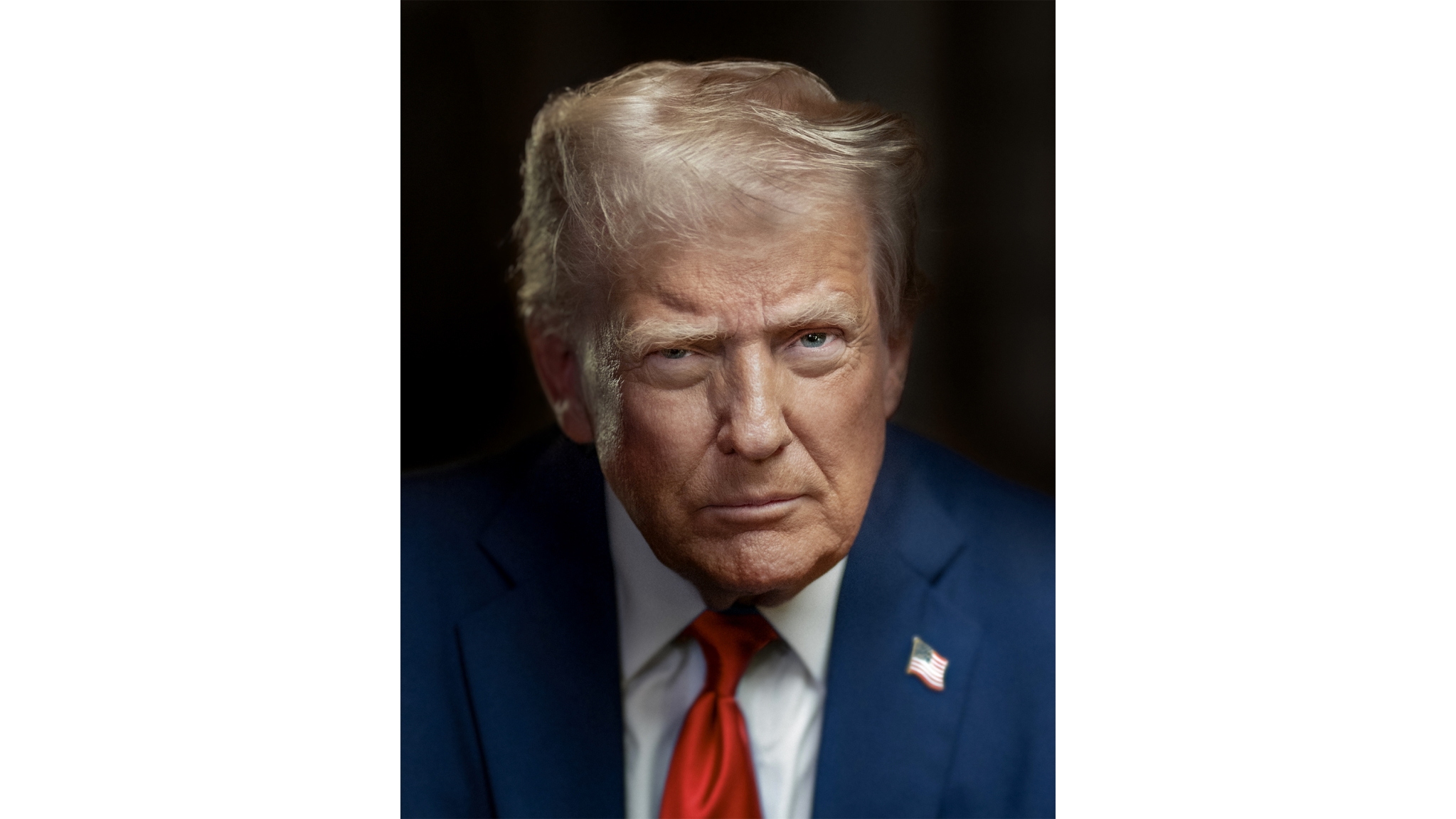
The dispute comes amid broader political contention over immigration enforcement under President Donald Trump’s administration, which has prioritized aggressive operations and deportations. The Minneapolis shooting — in which a volunteer monitoring ICE activities was killed by an ICE agent — has intensified scrutiny of federal tactics and practices, leading to protests in Minneapolis and across the United States.
Broader Oversight Debate
Legal experts say the access issue represents a central tension between executive branch discretion and congressional oversight authority. Under long-standing practice, lawmakers have visited ICE and other federal detention facilities to evaluate conditions, interview detainees, and conduct unfiltered oversight. Opponents of the new policy argue that requiring advance notice allows facility managers to prepare in ways that could obscure conditions and impede meaningful inspections.
A federal law enacted years earlier to govern ICE funding — often cited by lawmakers — states that conditions on access cannot be imposed beyond those in appropriations language. Critics contend that the new procedural requirements effectively impose a condition on access, raising potential legal challenges.
Future of the Dispute
As the oversight controversy unfolds, congressional leaders are weighing possible responses, including legal action to enforce access rights and legislative measures to clarify authority over federal detention oversight. Some Democrats have suggested linking access protections to broader budget negotiations, while others are exploring litigation to block the policy.
For its part, the Department of Homeland Security said it remains open to coordinated oversight but insists that formal procedures are necessary to protect both lawmakers and facility staff.
With protests continuing and the national debate over immigration enforcement intensifying, the access fight highlights growing friction on Capitol Hill over the proper balance between transparency and operational control in federal law enforcement.
Tags: ICE, Congressional Oversight, Minneapolis Shooting, DHS, Immigration Policy, U.S. Politics
News by The Vagabond News