A series of high-stakes political developments across the United States—including a contentious redistricting fight in Florida and a closely watched runoff election in Georgia—are reshaping the national political landscape ahead of upcoming electoral cycles.
Officials, lawmakers, and analysts say these parallel developments could significantly influence party control at both state and federal levels.
Florida Redistricting Dispute Escalates
At the center of the controversy is a renewed battle over congressional district maps in Florida, where lawmakers are debating revisions that could alter electoral boundaries for years to come.
The dispute involves competing proposals backed by Republican and Democratic legislators, with critics arguing that certain maps could disproportionately favor one party—a practice commonly referred to as partisan gerrymandering.
Governor Ron DeSantis has previously supported aggressive redistricting measures, while opposition groups have raised legal challenges, claiming that some proposals may violate voting rights protections.
Legal experts indicate that the outcome could hinge on court rulings, as previous redistricting efforts in Florida have already faced judicial scrutiny.
Georgia Runoff Election Draws National Attention
Meanwhile, in Georgia, a critical runoff election is underway following an inconclusive initial vote. The runoff will determine a key political seat, with potential implications for the balance of power in Washington.
Runoff elections in Georgia occur when no candidate secures a required majority, forcing a second round between the top contenders.
Key factors shaping the race include:
- Voter turnout, particularly among suburban and minority communities
- National party involvement and campaign funding
- Policy issues such as the economy, healthcare, and voting rights
Political observers note that Georgia has become a battleground state in recent years, making the outcome especially significant.
National Implications for Power Balance
These developments come amid broader political tensions across the United States, with both major parties positioning themselves ahead of future elections.
The redistricting battle in Florida could influence the number of congressional seats held by each party, while the Georgia runoff could immediately affect legislative dynamics.
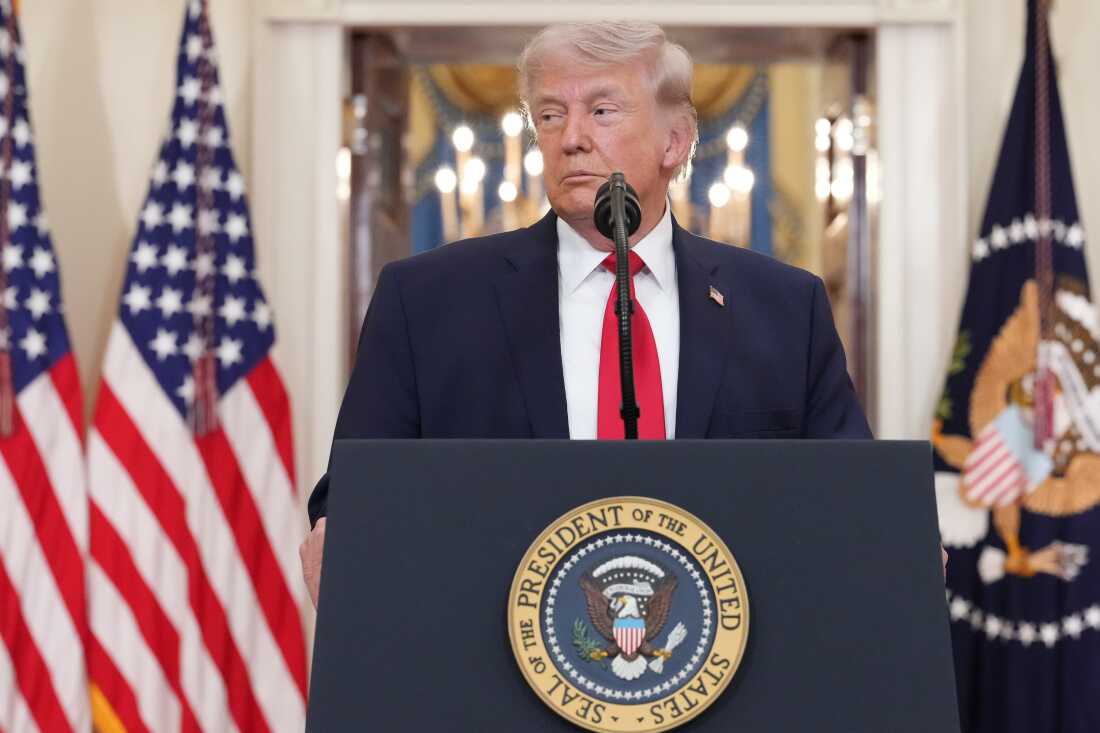
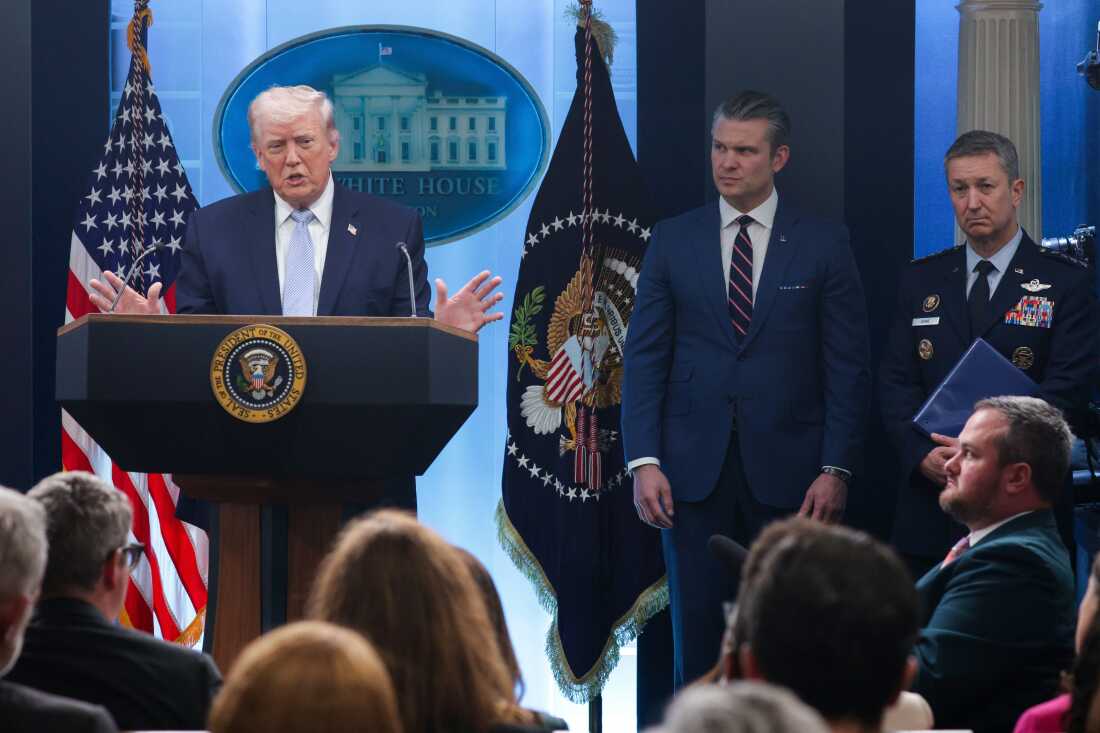
President Donald Trump has not issued a direct statement on these specific developments but remains an influential figure in shaping Republican Party strategy nationwide.
Legal and Political Challenges Ahead
Both situations are expected to face ongoing legal and political hurdles:
- Florida: Potential court challenges over district maps and voting rights compliance
- Georgia: Scrutiny over election procedures and voter access
Election law specialists warn that prolonged disputes could delay final outcomes or lead to further federal intervention.
A Defining Moment in U.S. Politics
With redistricting shaping future elections and runoff contests determining immediate control, analysts describe the current moment as pivotal for American democracy.
The convergence of these events underscores the complexity of the U.S. electoral system, where legal frameworks, political strategy, and voter behavior intersect.
As both situations continue to evolve, officials have emphasized that final outcomes will depend on certified results, judicial decisions, and voter participation.
Sources
- Reuters, Associated Press, The New York Times, The Washington Post
- State election offices in Florida and Georgia
- U.S. election law and redistricting records
Editor: Sudhir Choudhary
Date: April 7, 2026
Tags: US Politics, Florida Redistricting, Georgia Runoff, Donald Trump, Elections, Gerrymandering
News by The Vagabond News.