
U.S. President Donald Trump has rejected Iran’s latest cease-fire proposal, calling it “not good enough” as a critical deadline for a potential deal approaches amid escalating conflict in the Middle East.
The remarks come as negotiations intensify between Washington and Tehran through intermediaries, with global attention focused on whether diplomacy can avert further military escalation.
Trump Rejects Proposal but Leaves Door Open
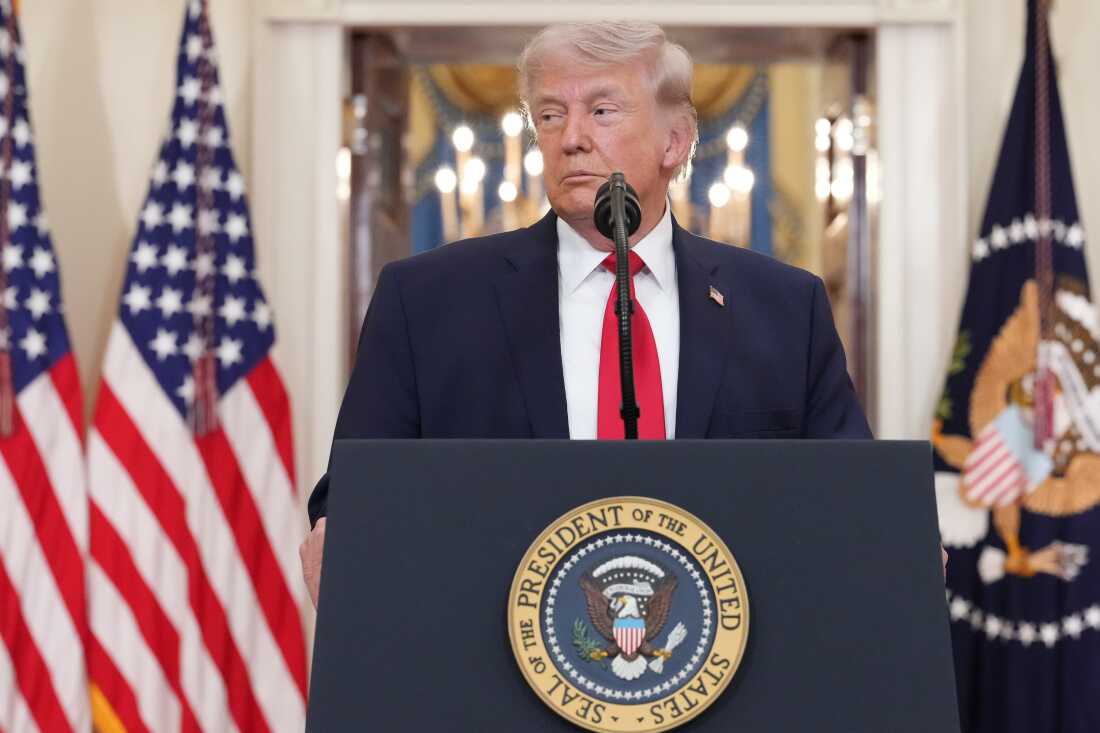
President Donald Trump acknowledged that Iran’s proposal represented a “significant step,” but made clear it failed to meet U.S. expectations.
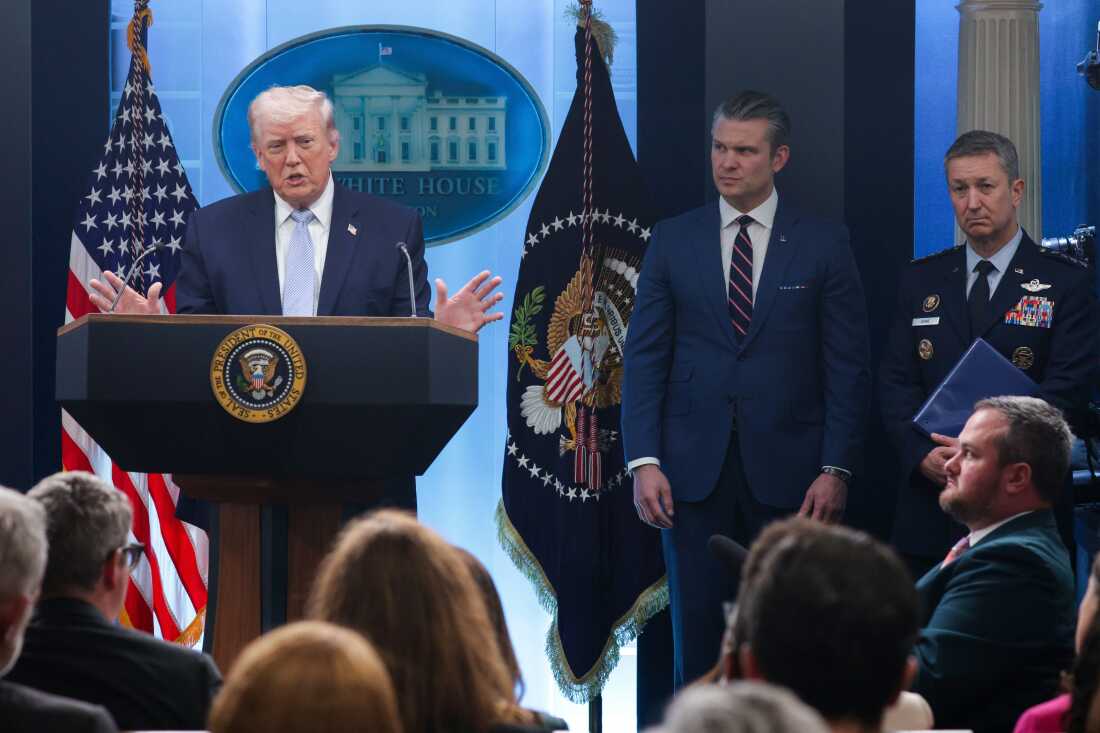
“It’s not good enough, but it’s a very significant step,” he told reporters at the White House. (Deccan Chronicle)
Despite rejecting the proposal, President Donald Trump indicated that negotiations are ongoing and could still evolve before the deadline. However, he has reiterated that the timeline for reaching an agreement will not be extended further. (Reuters)
Deadline Looms Amid Threat of Escalation
The U.S. administration has set a firm deadline for Iran to comply with key demands, including reopening the strategically vital Strait of Hormuz and addressing concerns over its nuclear and missile programs.
President Donald Trump has warned that failure to reach an agreement could result in large-scale U.S. strikes on Iranian infrastructure, including power plants and transportation networks. (TIME)
Officials have indicated that these actions could be initiated shortly after the deadline expires, underscoring the high stakes of the ongoing negotiations.
Iran’s Position and Counterproposal
Iran has submitted its own multi-point proposal through mediators, reportedly involving a broader framework aimed at ending the conflict rather than agreeing to a temporary cease-fire.
Key Iranian demands include:
- A permanent end to hostilities
- Lifting of economic sanctions
- Guarantees regarding sovereignty and security
Tehran has also expressed deep skepticism about U.S. intentions and has rejected short-term cease-fire arrangements without broader commitments. (The Guardian)
Mediation Efforts and Diplomatic Challenges
Diplomatic efforts are being facilitated by multiple countries, including Pakistan, Egypt, and Turkey, as both sides attempt to bridge significant differences. (Axios)
However, officials familiar with the talks have indicated that the gap between U.S. and Iranian positions remains substantial, raising doubts about whether a breakthrough can be achieved before the deadline.
Communication challenges, ongoing military operations, and mutual distrust have further complicated negotiations. (The Washington Post)
Regional and Global Implications
The outcome of the negotiations carries major implications for global security and energy markets.
The Strait of Hormuz is a critical chokepoint for international oil shipments, and its disruption has already contributed to rising energy prices and market volatility. (New York Post)
Any escalation in military action could further destabilize the region, affecting not only the Middle East but also global economic conditions.
Uncertain Path Forward
As the deadline approaches, uncertainty remains over whether diplomacy will prevail or if the conflict will intensify.
President Donald Trump has maintained a firm stance, emphasizing that U.S. demands must be met, while Iran continues to push for a broader settlement on its own terms.
At the time of publication, no final agreement has been announced, and both sides appear to be preparing for multiple possible outcomes.
Sources
- Reuters, Associated Press, The Guardian, Al Jazeera, Axios
- (Reuters)
- Additional reporting from Business Today and Deccan Chronicle (Deccan Chronicle)
Editor: Sudhir Choudhary
Date: April 7, 2026
Tags: Donald Trump, Iran, Ceasefire Talks, Middle East Conflict, Strait of Hormuz, US Foreign Policy
News by The Vagabond News.