


As anticipation builds around NASA’s Artemis program, many observers have raised a key question: why won’t Artemis II land astronauts on the Moon?
The answer lies in the mission’s design. Artemis II is not intended to be a landing mission but rather a critical test flight that lays the groundwork for future human landings.
Artemis II: A Crewed Lunar Flyby Mission
Artemis II will be the first crewed mission of NASA’s Artemis program, sending astronauts aboard the Orion spacecraft on a journey around the Moon. However, unlike the historic Apollo 11 Moon Landing, the mission will not include a lunar landing.
Instead, astronauts will perform a lunar flyby, traveling thousands of kilometers beyond the Moon before returning to Earth. The primary objective is to test life-support systems, navigation, communication, and crew operations in deep space.
Why No Moon Landing?
1. Mission Testing Comes First
NASA has structured the Artemis program in phases. Artemis II is designed as a systems validation mission, ensuring that all critical components—especially those involving human safety—function correctly in real conditions.
Landing on the Moon introduces significantly higher complexity, including descent, surface operations, and ascent back into lunar orbit. These elements are being reserved for later missions once core systems are fully validated.
2. Lunar Lander Not Yet Ready
A key reason Artemis II will not land is the absence of a fully operational human landing system. NASA is currently working with private partners to develop lunar landers capable of safely transporting astronauts to and from the Moon’s surface.
Until these systems are fully tested and certified, a landing mission would carry unacceptable risk.
3. Step-by-Step Approach to Safety
NASA’s phased approach reflects lessons learned from earlier programs. Each mission builds on the previous one:
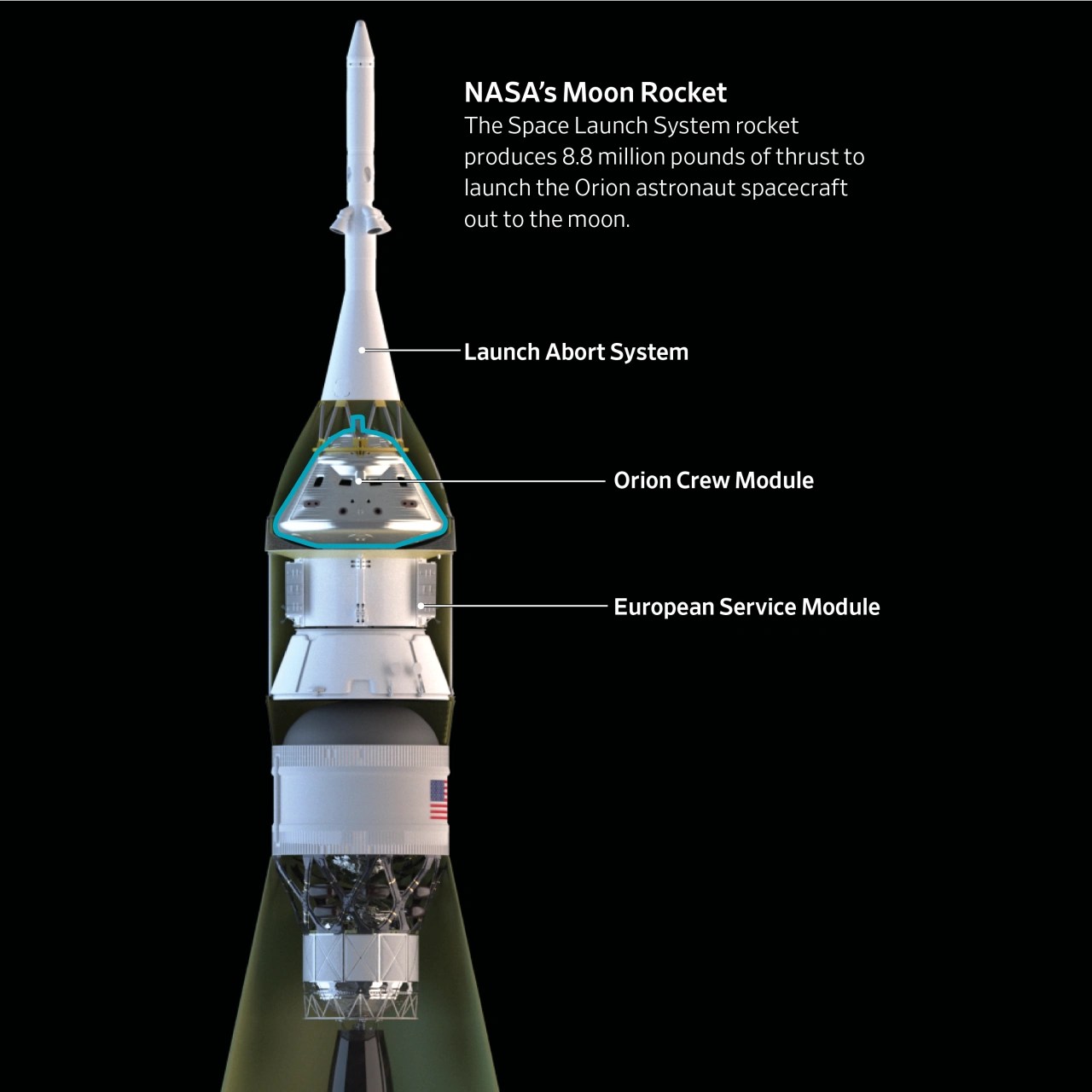
- Artemis I: Uncrewed test flight of the Space Launch System (SLS) and Orion spacecraft
- Artemis II: Crewed lunar flyby and systems validation
- Artemis III: Planned human landing on the Moon
This incremental strategy is designed to minimize risk while ensuring mission success.
4. Focus on Deep Space Capabilities
Artemis II will test how humans operate beyond low Earth orbit for extended periods. This includes exposure to radiation, communication delays, and spacecraft autonomy—factors critical not only for lunar missions but also for future journeys to Mars.
Strategic Importance of Artemis II
The mission is a pivotal step in re-establishing human presence in deep space. It will provide essential data on crew performance and spacecraft reliability, both of which are necessary before attempting a landing.
Experts emphasize that skipping this phase could jeopardize future missions, making Artemis II a crucial milestone despite the absence of a landing.
What Comes Next: Artemis III and Beyond
NASA has stated that Artemis III will be the mission that returns humans to the lunar surface, potentially marking the first crewed landing since the Apollo era.
However, timelines remain subject to technical progress, funding, and readiness of supporting systems. No final launch date for Artemis III has been officially confirmed.
Conclusion
Artemis II is not designed to land on the Moon because its primary purpose is to test the systems that will make future landings possible. By focusing on safety, validation, and deep-space capability, NASA is taking a methodical approach to one of humanity’s most ambitious goals—returning to the Moon and eventually traveling beyond it.
Sources: NASA official briefings, Reuters, BBC News, CNN, Associated Press (AP)
Editor: Sudhir Choudhary
Date: April 3, 2026
Tags: Artemis II, NASA, Moon Mission, Space Exploration, Artemis Program, Science News
News by The Vagabond News.


