


Taiwan Arms Sale Approved by Congress Is Delayed as President Donald Trump Plans Visit to Beijing
📅 February 28, 2026
✍️ Editor: Sudhir Choudhary, The Vagabond News

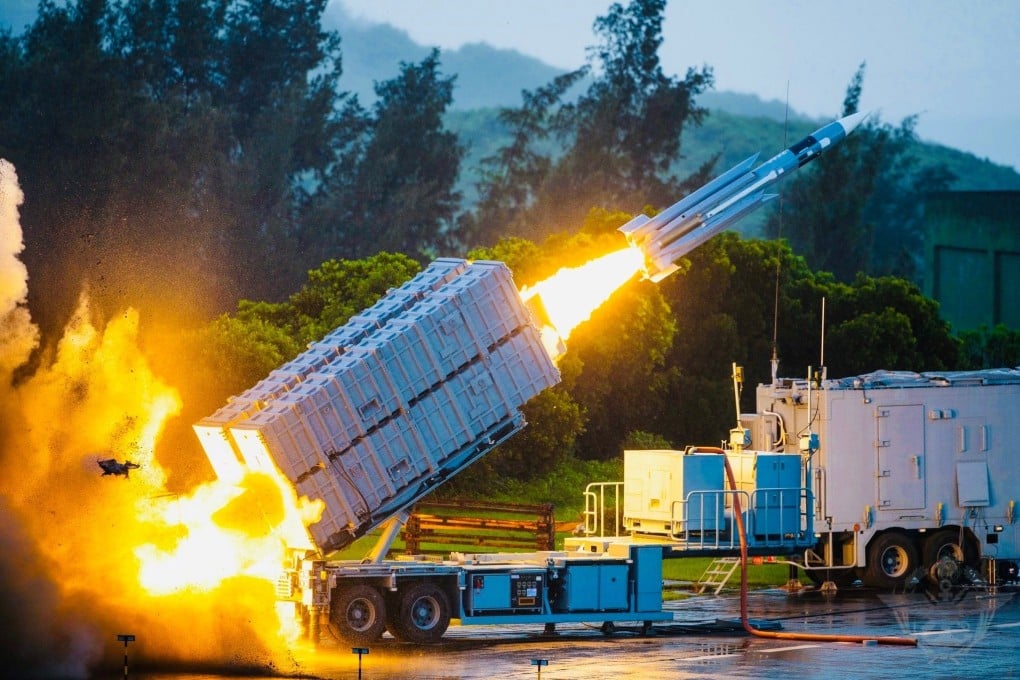

A Taiwan arms sale approved by Congress has encountered procedural delays as President Donald Trump prepares for a diplomatic visit to Beijing, according to U.S. officials familiar with the matter. The delay comes amid heightened scrutiny over Washington’s strategic posture in the Indo-Pacific and its evolving relationship with China.
The Taiwan arms sale, which cleared congressional review earlier this year under the notification procedures outlined in the Taiwan Relations Act, was expected to proceed into contract finalization. However, officials have confirmed that certain implementation steps — including final contracting arrangements and delivery timelines — have not advanced as initially anticipated.
No formal cancellation has been announced, and administration officials have stated that U.S. commitments to Taiwan’s self-defense remain unchanged.
Diplomatic Timing and Strategic Considerations
The delay in the Taiwan arms sale coincides with preparations for President Donald Trump’s scheduled visit to Beijing. The White House has confirmed that discussions will include trade, regional security, and bilateral economic matters, though a detailed agenda has not been publicly released.
Diplomatic observers note that high-level engagements between Washington and Beijing often involve complex negotiations that balance economic interests with security commitments. The Taiwan arms sale remains a sensitive issue in U.S.-China relations, as Beijing views such transactions as interference in its internal affairs, while the United States maintains that the sales are consistent with long-standing policy.
Officials have not directly linked the delay to the upcoming visit. However, congressional aides indicated that timing considerations may influence implementation logistics.
Congressional Approval and Legal Framework


Under U.S. law, major foreign military sales require formal notification to Congress, which retains the authority to block transactions through joint resolutions of disapproval. In this instance, lawmakers did not pass any measure to prevent the Taiwan arms sale from moving forward.
Members of both parties have historically supported arms packages for Taiwan, citing the island’s strategic significance and the provisions of the Taiwan Relations Act, enacted in 1979. The Act obligates the United States to provide Taiwan with defensive capabilities sufficient to maintain a credible self-defense posture.
A senior congressional official confirmed that approval remains valid and that no legislative action has been taken to rescind authorization.
Regional Implications


The Taiwan arms sale carries broader implications for regional stability in the Taiwan Strait and the wider Indo-Pacific. Taiwan has continued to modernize its military capabilities in response to increased military activity by China near the island.
Beijing has consistently opposed U.S. arms transfers to Taiwan and has previously imposed sanctions on U.S. defense contractors involved in such sales. Chinese officials have reiterated that Taiwan remains a core sovereignty issue for the People’s Republic of China.
Meanwhile, U.S. defense officials maintain that arms sales are intended to deter aggression and preserve the status quo. Analysts note that any delay — even procedural — may be closely watched by regional allies concerned about consistency in U.S. security commitments.
Administration Position
The White House has stated that President Donald Trump’s upcoming visit to Beijing aims to strengthen communication channels and address economic tensions. Officials declined to comment on whether the Taiwan arms sale would be discussed directly during bilateral meetings.
Defense Department representatives emphasized that approved arms packages typically involve phased implementation, including contracting, manufacturing schedules, and training components, which can naturally extend timelines.
No revised delivery schedule has been publicly released as of publication.
Conclusion
The delayed Taiwan arms sale, though still authorized by Congress, underscores the delicate balance between diplomatic engagement with Beijing and longstanding U.S. security commitments to Taipei. As President Donald Trump prepares for high-level talks in China, the trajectory of the Taiwan arms sale will remain a focal point for lawmakers, regional partners, and defense analysts.
Whether the delay reflects routine procedural considerations or broader strategic recalibration has not been officially clarified. For now, congressional approval stands, and administration officials reiterate that U.S. policy toward Taiwan remains consistent with established law.
Sources:
U.S. Congressional notification records under the Taiwan Relations Act; White House briefing statements; U.S. Department of Defense public releases; Statements from the Ministry of Foreign Affairs of the People’s Republic of China.
Tags: Taiwan Arms Sale, President Donald Trump, U.S.–China Relations, Congress, Indo-Pacific Security
News by The Vagabond News.


